
About This Book
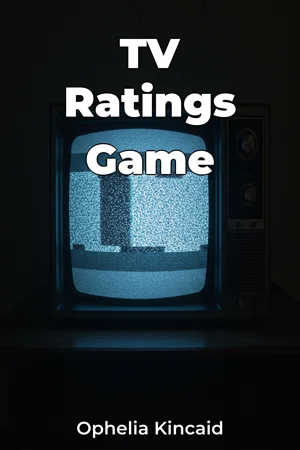
Ever wondered why some television shows become cultural phenomena while others vanish after a single season? The answer lies, to a significant extent, in the intricate and often misunderstood world of television ratings. This book, "TV Ratings Game," delves into the mechanics of television audience measurement, exploring how these figures are generated, how networks aggressively compete for higher viewership, and, most importantly, how these metrics ultimately dictate a show's fate, determining whether it enjoys renewal or faces abrupt cancellation. The television ratings system is not merely an objective count of viewers. It's a complex ecosystem involving statistical sampling, demographic analysis, and evolving technologies, all striving to capture the viewing habits of a diverse population. Understanding this system is crucial for grasping the economics of the television industry, where advertising revenue is directly tied to audience size. This book unveils the methodologies employed by ratings agencies, examining their strengths, weaknesses, and the ongoing debates surrounding their accuracy and relevance in the age of streaming. Furthermore, "TV Ratings Game" examines the strategic maneuvering of television networks as they vie for dominance in the ratings race. From programming decisions and scheduling tactics to marketing campaigns and talent acquisition, every aspect of network operations is influenced by the pursuit of higher viewership. The book dissects these strategies, revealing the competitive pressures that drive network executives and creative teams alike. Real-world case studies illustrate how networks have both succeeded and failed in their attempts to capture audience attention, providing valuable insights into the dynamics of the television marketplace. The central argument of this book is that television ratings, while imperfect, remain a powerful force shaping the landscape of entertainment. They act as a critical, if sometimes flawed, feedback mechanism between networks and viewers, influencing content creation and distribution. Ignoring their impact is to misunderstand the fundamental drivers of the television industry. "TV Ratings Game" begins by laying the groundwork, explaining the historical development of television ratings and the fundamental concepts behind audience measurement. It then explores the methodologies employed by major ratings agencies, such as Nielsen, detailing the techniques used to collect and analyze viewing data. Subsequent chapters delve into the competitive strategies of television networks, examining how they use ratings data to inform programming decisions, attract advertisers, and ultimately maximize revenue. The book culminates with an analysis of the future of television ratings in the digital age, considering the challenges and opportunities presented by streaming services, on-demand viewing, and personalized content delivery. The evidence presented in "TV Ratings Game" is drawn from a variety of sources, including industry reports, academic research, network press releases, and interviews with television executives and ratings experts. The book utilizes statistical analysis to illustrate trends in viewership patterns and employs case studies to provide concrete examples of the impact of ratings on show renewals and cancellations. This book intersects with several disciplines, including media studies, marketing, and business management. It illuminates how television ratings data are used in marketing to target specific demographic groups and provides insights into the business strategies employed by television networks to maximize profitability. These interdisciplinary connections enrich the analysis and provide a more comprehensive understanding of the television industry. "TV Ratings Game" aims to provide a balanced and objective assessment of the television ratings system, acknowledging its limitations while highlighting its continued importance. It is written in a clear and accessible style, making it suitable for a broad audience, including students of media studies, industry professionals, and anyone interested in the inner workings of the television industry. The scope of this book is primarily focused on the television industry in the United States, although it also touches on international ratings systems and the global impact of American television programming. The book acknowledges that the media landscape is rapidly evolving and that new technologies and platforms are constantly emerging. It aims to provide a framework for understanding these changes and their implications for the future of television ratings. Ultimately, "TV Ratings Game" seeks to empower readers with the knowledge and insights they need to navigate the complex world of television ratings. By understanding how these metrics are generated, interpreted, and utilized, readers can gain a deeper appreciation for the forces that shape the content they consume and the industry that produces it.
Ever wondered why some television shows become cultural phenomena while others vanish after a single season? The answer lies, to a significant extent, in the intricate and often misunderstood world of television ratings. This book, "TV Ratings Game," delves into the mechanics of television audience measurement, exploring how these figures are generated, how networks aggressively compete for higher viewership, and, most importantly, how these metrics ultimately dictate a show's fate, determining whether it enjoys renewal or faces abrupt cancellation. The television ratings system is not merely an objective count of viewers. It's a complex ecosystem involving statistical sampling, demographic analysis, and evolving technologies, all striving to capture the viewing habits of a diverse population. Understanding this system is crucial for grasping the economics of the television industry, where advertising revenue is directly tied to audience size. This book unveils the methodologies employed by ratings agencies, examining their strengths, weaknesses, and the ongoing debates surrounding their accuracy and relevance in the age of streaming. Furthermore, "TV Ratings Game" examines the strategic maneuvering of television networks as they vie for dominance in the ratings race. From programming decisions and scheduling tactics to marketing campaigns and talent acquisition, every aspect of network operations is influenced by the pursuit of higher viewership. The book dissects these strategies, revealing the competitive pressures that drive network executives and creative teams alike. Real-world case studies illustrate how networks have both succeeded and failed in their attempts to capture audience attention, providing valuable insights into the dynamics of the television marketplace. The central argument of this book is that television ratings, while imperfect, remain a powerful force shaping the landscape of entertainment. They act as a critical, if sometimes flawed, feedback mechanism between networks and viewers, influencing content creation and distribution. Ignoring their impact is to misunderstand the fundamental drivers of the television industry. "TV Ratings Game" begins by laying the groundwork, explaining the historical development of television ratings and the fundamental concepts behind audience measurement. It then explores the methodologies employed by major ratings agencies, such as Nielsen, detailing the techniques used to collect and analyze viewing data. Subsequent chapters delve into the competitive strategies of television networks, examining how they use ratings data to inform programming decisions, attract advertisers, and ultimately maximize revenue. The book culminates with an analysis of the future of television ratings in the digital age, considering the challenges and opportunities presented by streaming services, on-demand viewing, and personalized content delivery. The evidence presented in "TV Ratings Game" is drawn from a variety of sources, including industry reports, academic research, network press releases, and interviews with television executives and ratings experts. The book utilizes statistical analysis to illustrate trends in viewership patterns and employs case studies to provide concrete examples of the impact of ratings on show renewals and cancellations. This book intersects with several disciplines, including media studies, marketing, and business management. It illuminates how television ratings data are used in marketing to target specific demographic groups and provides insights into the business strategies employed by television networks to maximize profitability. These interdisciplinary connections enrich the analysis and provide a more comprehensive understanding of the television industry. "TV Ratings Game" aims to provide a balanced and objective assessment of the television ratings system, acknowledging its limitations while highlighting its continued importance. It is written in a clear and accessible style, making it suitable for a broad audience, including students of media studies, industry professionals, and anyone interested in the inner workings of the television industry. The scope of this book is primarily focused on the television industry in the United States, although it also touches on international ratings systems and the global impact of American television programming. The book acknowledges that the media landscape is rapidly evolving and that new technologies and platforms are constantly emerging. It aims to provide a framework for understanding these changes and their implications for the future of television ratings. Ultimately, "TV Ratings Game" seeks to empower readers with the knowledge and insights they need to navigate the complex world of television ratings. By understanding how these metrics are generated, interpreted, and utilized, readers can gain a deeper appreciation for the forces that shape the content they consume and the industry that produces it.
"TV Ratings Game" dives into the high-stakes world of television ratings, revealing how audience measurement dictates which shows thrive and which face cancellation. This book explores the complex methodologies used to determine TV viewership, emphasizing that these ratings are not just simple counts but rather intricate systems that influence billions in advertising revenue. From statistical sampling to demographic analysis, understanding these metrics is key to understanding the television industry. It's intriguing to learn how advertising rates are directly correlated to audience size, influencing programming decisions. The book further dissects the strategic battles waged by television networks as they fiercely compete for higher ratings. Networks employ various tactics, from scheduling maneuvers to marketing blitzes, all aimed at capturing audience attention. "TV Ratings Game" illustrates how these strategies affect everything from TV show renewals to cancellations, providing a comprehensive overview of the television marketplace. Progressing chapter by chapter, the book starts with the history of TV ratings and concludes with an analysis of their future in the digital age.
Book Details
ISBN
9788235243478
Publisher
Publifye AS
Your Licenses
You don't own any licenses for this book
Purchase a license below to unlock this book and download the EPUB.
Purchase License
Select a tier to unlock this book
Need bulk licensing?
Contact us for enterprise agreements.