
About This Book
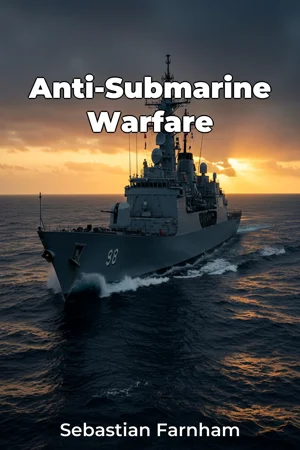
In an era defined by renewed geopolitical tensions and rapidly evolving naval technologies, can conventional surface combatants still effectively counter the silent threat of modern submarines? Anti-Submarine Warfare: Evolving Frigate Roles addresses this critical question by comprehensively examining the roles frigates play in modern anti-submarine warfare (ASW). This book explores the historical context of ASW, contrasting past strategies with current capabilities while focusing on the evolving technological landscape that shapes modern naval warfare. The primary focus will be analyzing the key requirements for effective ASW frigates and evaluating specific ship designs against these criteria. This study rests on three central pillars: the historical evolution of ASW strategies; the technological advancements in submarine and frigate design; and an assessment of current frigate capabilities in the face of modern submarine threats. These elements are important because of the resurgence of submarine warfare as a significant factor in global naval strategy. Understanding historical precedents, technological innovations, and current limitations is crucial for policymakers, naval strategists, and defense industry professionals seeking to maintain a credible and effective maritime defense. The book's central argument posits that while advancements in submarine technology have significantly increased the challenges of ASW, modern frigates, particularly those designed with ASW as a primary mission, remain a vital component of a comprehensive naval defense strategy. However, their effectiveness hinges on the integration of advanced sensor technologies, sophisticated weapon systems, and well-trained personnel, all operating within a dynamic and adaptable tactical framework. The book is structured in three sections. The first section offers a historical overview of ASW, tracing its development from World War I to the present day. This historical analysis provides context for understanding the cyclical nature of technological innovation and counter-innovation in naval warfare. The second section delves into the technological advancements that have reshaped ASW, examining developments in sonar technology, torpedo design, submarine propulsion, and frigate-borne ASW systems. This section includes a detailed analysis of various frigate designs, including the British Type 26, highlighted for its ASW capabilities in defense analysis. The final section assesses the operational challenges of modern ASW, discussing the limitations of current frigate capabilities and exploring potential strategies for enhancing their effectiveness. This section considers the importance of joint operations, the role of unmanned systems, and the integration of data from various sensors. The analysis presented in Anti-Submarine Warfare relies on a combination of open-source intelligence, naval publications, technical specifications, and expert analysis from defense analysts. The book references publicly available data on frigate and submarine capabilities, as well as reports from defense think tanks and government agencies. This exploration of ASW intersects with the fields of political science, international relations, and economics. The strategic implications of naval power, including control of sea lanes and the projection of force, are directly linked to political and diplomatic considerations. The economic costs associated with developing and maintaining advanced naval capabilities also influence strategic decision-making. A unique aspect of this book is its focus on the practical challenges of integrating new technologies and adapting existing platforms to meet the evolving demands of ASW. Rather than promoting a specific technological solution, the book emphasizes the importance of a holistic approach that considers technological capabilities, operational tactics, and strategic objectives. The tone is analytical and informative, aiming to provide a balanced assessment of the challenges and opportunities in modern ASW. The writing style is accessible to a broad audience while adhering to the standards of academic rigor. The target audience includes naval officers, defense analysts, policymakers, students of military history, and anyone interested in the strategic implications of naval warfare. The book offers valuable insights for understanding the complex interplay of technology, strategy, and geopolitics in the context of modern naval defense. This book operates within the conventions of military history and strategic studies, providing a detailed analysis of historical trends, technological developments, and operational challenges. While the book aims to provide a comprehensive overview of ASW, its scope is limited to the role of frigates in countering submarine threats. Other aspects of naval warfare, such as surface combat and anti-air defense, are addressed only insofar as they relate to ASW operations. The information presented in this book can be applied to a range of practical contexts, from informing naval procurement decisions to developing operational tactics. Military professionals can use the book to enhance their understanding of ASW and to assess the capabilities of potential adversaries. The field of ASW is subject to ongoing debates, particularly regarding the relative importance of different technologies and the optimal balance between offensive and defensive strategies. This book addresses these debates by presenting a range of perspectives and by highlighting the complexities of modern naval warfare.
In an era defined by renewed geopolitical tensions and rapidly evolving naval technologies, can conventional surface combatants still effectively counter the silent threat of modern submarines? Anti-Submarine Warfare: Evolving Frigate Roles addresses this critical question by comprehensively examining the roles frigates play in modern anti-submarine warfare (ASW). This book explores the historical context of ASW, contrasting past strategies with current capabilities while focusing on the evolving technological landscape that shapes modern naval warfare. The primary focus will be analyzing the key requirements for effective ASW frigates and evaluating specific ship designs against these criteria. This study rests on three central pillars: the historical evolution of ASW strategies; the technological advancements in submarine and frigate design; and an assessment of current frigate capabilities in the face of modern submarine threats. These elements are important because of the resurgence of submarine warfare as a significant factor in global naval strategy. Understanding historical precedents, technological innovations, and current limitations is crucial for policymakers, naval strategists, and defense industry professionals seeking to maintain a credible and effective maritime defense. The book's central argument posits that while advancements in submarine technology have significantly increased the challenges of ASW, modern frigates, particularly those designed with ASW as a primary mission, remain a vital component of a comprehensive naval defense strategy. However, their effectiveness hinges on the integration of advanced sensor technologies, sophisticated weapon systems, and well-trained personnel, all operating within a dynamic and adaptable tactical framework. The book is structured in three sections. The first section offers a historical overview of ASW, tracing its development from World War I to the present day. This historical analysis provides context for understanding the cyclical nature of technological innovation and counter-innovation in naval warfare. The second section delves into the technological advancements that have reshaped ASW, examining developments in sonar technology, torpedo design, submarine propulsion, and frigate-borne ASW systems. This section includes a detailed analysis of various frigate designs, including the British Type 26, highlighted for its ASW capabilities in defense analysis. The final section assesses the operational challenges of modern ASW, discussing the limitations of current frigate capabilities and exploring potential strategies for enhancing their effectiveness. This section considers the importance of joint operations, the role of unmanned systems, and the integration of data from various sensors. The analysis presented in Anti-Submarine Warfare relies on a combination of open-source intelligence, naval publications, technical specifications, and expert analysis from defense analysts. The book references publicly available data on frigate and submarine capabilities, as well as reports from defense think tanks and government agencies. This exploration of ASW intersects with the fields of political science, international relations, and economics. The strategic implications of naval power, including control of sea lanes and the projection of force, are directly linked to political and diplomatic considerations. The economic costs associated with developing and maintaining advanced naval capabilities also influence strategic decision-making. A unique aspect of this book is its focus on the practical challenges of integrating new technologies and adapting existing platforms to meet the evolving demands of ASW. Rather than promoting a specific technological solution, the book emphasizes the importance of a holistic approach that considers technological capabilities, operational tactics, and strategic objectives. The tone is analytical and informative, aiming to provide a balanced assessment of the challenges and opportunities in modern ASW. The writing style is accessible to a broad audience while adhering to the standards of academic rigor. The target audience includes naval officers, defense analysts, policymakers, students of military history, and anyone interested in the strategic implications of naval warfare. The book offers valuable insights for understanding the complex interplay of technology, strategy, and geopolitics in the context of modern naval defense. This book operates within the conventions of military history and strategic studies, providing a detailed analysis of historical trends, technological developments, and operational challenges. While the book aims to provide a comprehensive overview of ASW, its scope is limited to the role of frigates in countering submarine threats. Other aspects of naval warfare, such as surface combat and anti-air defense, are addressed only insofar as they relate to ASW operations. The information presented in this book can be applied to a range of practical contexts, from informing naval procurement decisions to developing operational tactics. Military professionals can use the book to enhance their understanding of ASW and to assess the capabilities of potential adversaries. The field of ASW is subject to ongoing debates, particularly regarding the relative importance of different technologies and the optimal balance between offensive and defensive strategies. This book addresses these debates by presenting a range of perspectives and by highlighting the complexities of modern naval warfare.
"Anti-Submarine Warfare" delves into the critical role of frigates in modern naval defense, amidst evolving geopolitical tensions and rapid technological advancements. It explores how these surface combatants can effectively counter the threat of increasingly sophisticated submarines. The book examines the historical context of anti-submarine warfare (ASW), contrasting past strategies with current capabilities, and emphasizes the necessity of integrating advanced sensor technologies and well-trained personnel for effective maritime defense. One intriguing aspect highlighted is the cyclical nature of technological innovation and counter-innovation in naval warfare, demonstrating that advancements in submarine technology have prompted adaptations in frigate design and ASW tactics. The study progresses through three main sections. Initially, it provides a historical overview of ASW, tracing its development from World War I to the present, offering crucial context for understanding contemporary challenges. Next, it examines the technological advancements that have reshaped ASW, focusing on developments in sonar technology, torpedo design, and frigate-borne systems. Finally, the book assesses the operational challenges of modern ASW, discussing the limitations of current frigate capabilities and exploring potential strategies for enhancing their effectiveness, such as joint operations and the integration of unmanned systems. It uniquely focuses on the practical challenges of integrating new technologies while emphasizing a holistic approach that balances technological capabilities, operational tactics, and strategic objectives.
Book Details
ISBN
9788235243096
Publisher
Publifye AS
Your Licenses
You don't own any licenses for this book
Purchase a license below to unlock this book and download the EPUB.
Purchase License
Select a tier to unlock this book
Need bulk licensing?
Contact us for enterprise agreements.