
About This Book
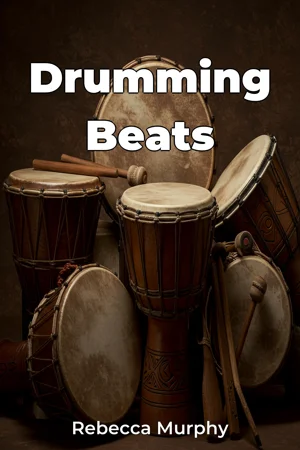
Have you ever considered the primal heartbeat that unites humanity? This book, "Drumming Beats," delves into the profound influence of drums and rhythms across history and cultures, exploring how these percussive elements have shaped music and society. We embark on a journey across continents and centuries to understand the essential role drumming plays in human expression. We will primarily focus on three essential concepts. First, we examine the evolution of drums as instruments, from their earliest origins to their modern forms. Second, and just as important, we will dissect the diverse types of drums found worldwide and explore their unique construction, sound, and cultural significance. Finally, we will analyze how rhythms, the lifeblood of drumming, create dynamic and evocative music within different cultural contexts. These topics are important because they reveal drumming not just as a musical practice, but as a fundamental aspect of human culture, communication, and ritual. To fully appreciate the story of drumming, it is important we first understand its historical backdrop. The origins of drumming are lost in the mists of time, predating written history. Drums were used in ancient civilizations for communication, religious ceremonies, and warfare. Before delving into the main content, familiarity with basic music terminology and some historical awareness of different cultures will enhance the reading experience. "Drumming Beats" proposes that drumming, more than simply sound, is a potent cultural force capable of conveying emotions, preserving traditions, and stimulating social cohesion. The book argues that understanding the history and techniques of drumming provides invaluable insight into diverse cultures and the human experience. The book is structured in four parts. We first introduce the concept of drumming, tracing its origins and fundamental elements. In the second part, we extensively explore the different types of drums, categorizing them by construction, region, and function, referencing specific examples like the talking drums of West Africa, tabla drums of India, and taiko drums of Japan. The third part delves into the creation and impact of rhythms, examining the role of rhythm in music, dance, and ceremony. We also discuss specific rhythmic patterns and their cultural significance. In the final part, we consider the practical applications and broader implications of drumming, including its therapeutic benefits and its role in contemporary music. The arguments presented in "Drumming Beats" are supported by extensive research from ethnomusicology, archaeology, and historical records. We will draw on primary sources, including ethnographic studies, interviews with drummers and musicologists, and analyses of musical scores and recordings. This book also intersects with other fields of study. Anthropology provides a framework for understanding the cultural significance of drumming practices. Acoustics, the study of sound, helps explain the physics of drum sounds and how they are produced. Psychology sheds light on the cognitive and emotional effects of rhythm and drumming. The book synthesizes these interdisciplinary perspectives to provide a holistic understanding of drumming. "Drumming Beats" offers insights into the evolution of drumming techniques across cultures and examines the social and cultural contexts surrounding these practices. It provides a comprehensive overview of the historical and cultural impact of drums, going beyond mere technical descriptions. The book takes an accessible and engaging approach, presenting information in a clear and concise manner. While grounded in scholarly research, the writing style avoids technical jargon. "Drumming Beats" is aimed at music enthusiasts, students of music and ethnomusicology, cultural historians, and anyone curious about the history and cultural significance of drumming. The book offers valuable insights into the world of percussion, making it an essential resource for anyone interested in understanding drumming's pervasive influence. As a work of non-fiction, "Drumming Beats" adheres to rigorous standards of accuracy and objectivity. The book aims for comprehensiveness but acknowledges the impossibility of covering every aspect of drumming history and culture. It focuses on well-documented examples and case studies while acknowledging the diversity and complexity of the subject matter. The book showcases how drumming can enhance creativity, teamwork, and communication skills and how rhythm therapy can be used to alleviate stress and improve mental well-being. Readers might consider starting a drumming circle, exploring the therapeutic benefits of rhythm, or simply listening to music with a renewed appreciation for the role of percussion. While the role of drumming in various cultures is generally celebrated, debates exist around cultural appropriation and the ethical use of traditional drumming practices. "Drumming Beats" attempts to address these challenges by emphasizing the importance of cultural sensitivity and respect for the origins of drumming traditions.
Have you ever considered the primal heartbeat that unites humanity? This book, "Drumming Beats," delves into the profound influence of drums and rhythms across history and cultures, exploring how these percussive elements have shaped music and society. We embark on a journey across continents and centuries to understand the essential role drumming plays in human expression. We will primarily focus on three essential concepts. First, we examine the evolution of drums as instruments, from their earliest origins to their modern forms. Second, and just as important, we will dissect the diverse types of drums found worldwide and explore their unique construction, sound, and cultural significance. Finally, we will analyze how rhythms, the lifeblood of drumming, create dynamic and evocative music within different cultural contexts. These topics are important because they reveal drumming not just as a musical practice, but as a fundamental aspect of human culture, communication, and ritual. To fully appreciate the story of drumming, it is important we first understand its historical backdrop. The origins of drumming are lost in the mists of time, predating written history. Drums were used in ancient civilizations for communication, religious ceremonies, and warfare. Before delving into the main content, familiarity with basic music terminology and some historical awareness of different cultures will enhance the reading experience. "Drumming Beats" proposes that drumming, more than simply sound, is a potent cultural force capable of conveying emotions, preserving traditions, and stimulating social cohesion. The book argues that understanding the history and techniques of drumming provides invaluable insight into diverse cultures and the human experience. The book is structured in four parts. We first introduce the concept of drumming, tracing its origins and fundamental elements. In the second part, we extensively explore the different types of drums, categorizing them by construction, region, and function, referencing specific examples like the talking drums of West Africa, tabla drums of India, and taiko drums of Japan. The third part delves into the creation and impact of rhythms, examining the role of rhythm in music, dance, and ceremony. We also discuss specific rhythmic patterns and their cultural significance. In the final part, we consider the practical applications and broader implications of drumming, including its therapeutic benefits and its role in contemporary music. The arguments presented in "Drumming Beats" are supported by extensive research from ethnomusicology, archaeology, and historical records. We will draw on primary sources, including ethnographic studies, interviews with drummers and musicologists, and analyses of musical scores and recordings. This book also intersects with other fields of study. Anthropology provides a framework for understanding the cultural significance of drumming practices. Acoustics, the study of sound, helps explain the physics of drum sounds and how they are produced. Psychology sheds light on the cognitive and emotional effects of rhythm and drumming. The book synthesizes these interdisciplinary perspectives to provide a holistic understanding of drumming. "Drumming Beats" offers insights into the evolution of drumming techniques across cultures and examines the social and cultural contexts surrounding these practices. It provides a comprehensive overview of the historical and cultural impact of drums, going beyond mere technical descriptions. The book takes an accessible and engaging approach, presenting information in a clear and concise manner. While grounded in scholarly research, the writing style avoids technical jargon. "Drumming Beats" is aimed at music enthusiasts, students of music and ethnomusicology, cultural historians, and anyone curious about the history and cultural significance of drumming. The book offers valuable insights into the world of percussion, making it an essential resource for anyone interested in understanding drumming's pervasive influence. As a work of non-fiction, "Drumming Beats" adheres to rigorous standards of accuracy and objectivity. The book aims for comprehensiveness but acknowledges the impossibility of covering every aspect of drumming history and culture. It focuses on well-documented examples and case studies while acknowledging the diversity and complexity of the subject matter. The book showcases how drumming can enhance creativity, teamwork, and communication skills and how rhythm therapy can be used to alleviate stress and improve mental well-being. Readers might consider starting a drumming circle, exploring the therapeutic benefits of rhythm, or simply listening to music with a renewed appreciation for the role of percussion. While the role of drumming in various cultures is generally celebrated, debates exist around cultural appropriation and the ethical use of traditional drumming practices. "Drumming Beats" attempts to address these challenges by emphasizing the importance of cultural sensitivity and respect for the origins of drumming traditions.
"Drumming Beats" explores the captivating story of drums and rhythm, revealing their profound influence on music history and diverse cultures. The book journeys across centuries, highlighting drumming not just as a musical practice but as a fundamental aspect of human culture. Did you know that drums were used in ancient civilizations for communication, religious ceremonies, and even warfare? Or that the talking drums of West Africa, the tabla drums of India, and the taiko drums of Japan each hold unique cultural significance? The book examines the evolution of drums as instruments, the diverse types of drums found worldwide, and the dynamic role of rhythms in various cultural contexts. It's structured in four key parts: introducing drumming's origins, exploring different types of drums, delving into the creation and impact of rhythms, and considering the practical applications of drumming, such as rhythm therapy. By drawing on ethnomusicology, archaeology, and historical records, "Drumming Beats" offers a comprehensive overview of the historical and cultural impact of drums, making it an essential resource for music enthusiasts, students, and anyone curious about the pervasive influence of percussion.
Book Details
ISBN
9788235243027
Publisher
Publifye AS
Your Licenses
You don't own any licenses for this book
Purchase a license below to unlock this book and download the EPUB.
Purchase License
Select a tier to unlock this book
Need bulk licensing?
Contact us for enterprise agreements.