
About This Book
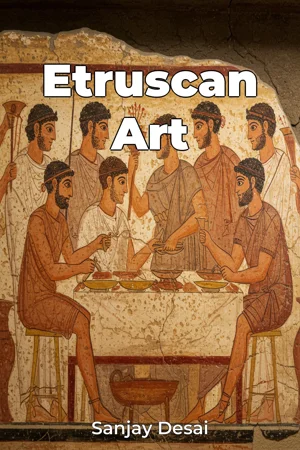
What if the foundations of Roman art, architecture, and religious practices were not solely born from Greek influence, but deeply rooted in the sophisticated culture of a civilization that predates the Roman Republic? "Etruscan Art" delves into the captivating world of the Etruscans, a people who flourished in ancient Italy and left an indelible mark on the artistic landscape of the Mediterranean. This book presents a comprehensive exploration of their artistic achievements, demonstrating the significant role Etruscan artistry played in shaping Roman culture and aesthetics. This examination is crucial for two primary reasons. First, it rectifies a historical underestimation of Etruscan contributions, often overshadowed by the narrative of Roman dominance. Second, it provides a new lens through which to understand the evolution of early Italian art, revealing a complex interplay of indigenous innovation and external influences. To fully appreciate the Etruscan artistic legacy, one must consider the historical context of their civilization. Flourishing from roughly 900 BCE to 100 BCE, the Etruscans inhabited a region corresponding to modern-day Tuscany, western Umbria, and northern Latium. Their society was characterized by independent city-states, a rich mercantile economy, and complex religious beliefs. No prior specialized knowledge is required to understand the book, but a general familiarity with ancient Mediterranean history will enrich the reading experience. The central argument of "Etruscan Art" is that Etruscan artistic expression was not merely derivative of Greek styles but represented a unique and vital artistic tradition that profoundly influenced the nascent Roman civilization. By examining Etruscan art, this book illuminates a critical but often overlooked chapter in the history of Western art. The book is structured to guide the reader through a comprehensive exploration of Etruscan artistry. Firstly, it introduces the key concepts and themes, including the Etruscan religious worldview, their social organization, and their interactions with neighboring cultures. Secondly, the book focuses on major artistic mediums: a) Mural Painting: Analyzing the vibrant frescoes that adorned Etruscan tombs, revealing insights into their beliefs about the afterlife, banquets, and funerary rituals. b) Sculpture: Examining the terracotta and bronze sculptures, including life-size figures and intricate bronzes, showcasing their skill in capturing human form and narrative scenes. c) Metalwork: Studying the exquisite gold jewelry, bronze vessels, and other metal artifacts, illuminating their technological prowess and aesthetic sensibilities. Thirdly, the book discusses the transmission of Etruscan artistic elements to Roman culture, highlighting specific examples of architectural designs, religious iconography, and artistic styles adopted by the Romans. Finally, the book explores the lasting legacy of Etruscan art and its continuing relevance to our understanding of ancient Mediterranean civilizations. "Etruscan Art" supports its arguments with a wealth of evidence from archaeological excavations, museum collections, and scholarly analyses. The book draws upon primary sources, such as Etruscan inscriptions and Roman accounts, as well as secondary literature from art historians, archaeologists, and classicists. The book also presents new interpretations of existing data, offering fresh perspectives on the meaning and significance of Etruscan art. This book connects to several other fields of study, including archaeology, ancient history, classical studies, and religious studies. These connections enhance the book's argument by providing a broader context for understanding Etruscan art and its cultural significance. "Etruscan Art" offers a unique perspective by moving beyond the traditional view of Etruscan art as merely a precursor to Roman art. Instead, it presents a nuanced analysis of Etruscan artistic achievements in their own right, revealing their creativity, innovation, and enduring influence. The tone and writing style of "Etruscan Art" are academic yet accessible, designed to engage both scholars and general readers with an interest in ancient art and history. The book avoids overly technical jargon and provides clear explanations of complex concepts. The target audience for this book includes students, scholars, art enthusiasts, and anyone interested in learning more about the Etruscans and their artistic legacy. This book provides valuable insights into a fascinating and often misunderstood civilization, offering a fresh perspective on the development of Western art. As a work of non-fiction within the genres of History and Art, this book strictly adheres to the presentation of verified facts, supported arguments, and verifiable sources. The book's scope is limited to the artistic achievements of the Etruscans and their influence on Roman culture. The book acknowledges the gaps in our knowledge about the Etruscans and identifies areas for future research. The information presented in "Etruscan Art" can be applied practically by readers in several ways. It enhances their appreciation of ancient art and architecture, enriches their understanding of Roman history and culture, and provides them with a deeper appreciation of the complex interactions between different cultures in the ancient Mediterranean world. While many aspects of Etruscan civilization are well-documented, debates persist regarding the precise origins of the Etruscans and the nature of their language. This book addresses these debates by presenting different perspectives and offering a balanced assessment of the available evidence. "Etruscan Art" offers a comprehensive and engaging exploration of a civilization whose artistic contributions have long been undervalued. This book seeks to rectify this oversight, inspiring a new appreciation for the artistry, ingenuity, and lasting legacy of the Etruscans.
What if the foundations of Roman art, architecture, and religious practices were not solely born from Greek influence, but deeply rooted in the sophisticated culture of a civilization that predates the Roman Republic? "Etruscan Art" delves into the captivating world of the Etruscans, a people who flourished in ancient Italy and left an indelible mark on the artistic landscape of the Mediterranean. This book presents a comprehensive exploration of their artistic achievements, demonstrating the significant role Etruscan artistry played in shaping Roman culture and aesthetics. This examination is crucial for two primary reasons. First, it rectifies a historical underestimation of Etruscan contributions, often overshadowed by the narrative of Roman dominance. Second, it provides a new lens through which to understand the evolution of early Italian art, revealing a complex interplay of indigenous innovation and external influences. To fully appreciate the Etruscan artistic legacy, one must consider the historical context of their civilization. Flourishing from roughly 900 BCE to 100 BCE, the Etruscans inhabited a region corresponding to modern-day Tuscany, western Umbria, and northern Latium. Their society was characterized by independent city-states, a rich mercantile economy, and complex religious beliefs. No prior specialized knowledge is required to understand the book, but a general familiarity with ancient Mediterranean history will enrich the reading experience. The central argument of "Etruscan Art" is that Etruscan artistic expression was not merely derivative of Greek styles but represented a unique and vital artistic tradition that profoundly influenced the nascent Roman civilization. By examining Etruscan art, this book illuminates a critical but often overlooked chapter in the history of Western art. The book is structured to guide the reader through a comprehensive exploration of Etruscan artistry. Firstly, it introduces the key concepts and themes, including the Etruscan religious worldview, their social organization, and their interactions with neighboring cultures. Secondly, the book focuses on major artistic mediums: a) Mural Painting: Analyzing the vibrant frescoes that adorned Etruscan tombs, revealing insights into their beliefs about the afterlife, banquets, and funerary rituals. b) Sculpture: Examining the terracotta and bronze sculptures, including life-size figures and intricate bronzes, showcasing their skill in capturing human form and narrative scenes. c) Metalwork: Studying the exquisite gold jewelry, bronze vessels, and other metal artifacts, illuminating their technological prowess and aesthetic sensibilities. Thirdly, the book discusses the transmission of Etruscan artistic elements to Roman culture, highlighting specific examples of architectural designs, religious iconography, and artistic styles adopted by the Romans. Finally, the book explores the lasting legacy of Etruscan art and its continuing relevance to our understanding of ancient Mediterranean civilizations. "Etruscan Art" supports its arguments with a wealth of evidence from archaeological excavations, museum collections, and scholarly analyses. The book draws upon primary sources, such as Etruscan inscriptions and Roman accounts, as well as secondary literature from art historians, archaeologists, and classicists. The book also presents new interpretations of existing data, offering fresh perspectives on the meaning and significance of Etruscan art. This book connects to several other fields of study, including archaeology, ancient history, classical studies, and religious studies. These connections enhance the book's argument by providing a broader context for understanding Etruscan art and its cultural significance. "Etruscan Art" offers a unique perspective by moving beyond the traditional view of Etruscan art as merely a precursor to Roman art. Instead, it presents a nuanced analysis of Etruscan artistic achievements in their own right, revealing their creativity, innovation, and enduring influence. The tone and writing style of "Etruscan Art" are academic yet accessible, designed to engage both scholars and general readers with an interest in ancient art and history. The book avoids overly technical jargon and provides clear explanations of complex concepts. The target audience for this book includes students, scholars, art enthusiasts, and anyone interested in learning more about the Etruscans and their artistic legacy. This book provides valuable insights into a fascinating and often misunderstood civilization, offering a fresh perspective on the development of Western art. As a work of non-fiction within the genres of History and Art, this book strictly adheres to the presentation of verified facts, supported arguments, and verifiable sources. The book's scope is limited to the artistic achievements of the Etruscans and their influence on Roman culture. The book acknowledges the gaps in our knowledge about the Etruscans and identifies areas for future research. The information presented in "Etruscan Art" can be applied practically by readers in several ways. It enhances their appreciation of ancient art and architecture, enriches their understanding of Roman history and culture, and provides them with a deeper appreciation of the complex interactions between different cultures in the ancient Mediterranean world. While many aspects of Etruscan civilization are well-documented, debates persist regarding the precise origins of the Etruscans and the nature of their language. This book addresses these debates by presenting different perspectives and offering a balanced assessment of the available evidence. "Etruscan Art" offers a comprehensive and engaging exploration of a civilization whose artistic contributions have long been undervalued. This book seeks to rectify this oversight, inspiring a new appreciation for the artistry, ingenuity, and lasting legacy of the Etruscans.
"Etruscan Art" unveils the rich artistic legacy of the Etruscans, an ancient civilization in Italy whose influence on Roman culture is often underestimated. Moving beyond the view of Etruscan art as merely a precursor to Roman art, the book presents a nuanced analysis of their unique artistic achievements. The Etruscans, flourishing from 900 BCE to 100 BCE, possessed sophisticated skills evident in their vibrant mural paintings found in tombs, which offer insights into their beliefs about the afterlife. Furthermore, their metalwork, including intricate gold jewelry and bronze vessels, showcases their technological prowess and aesthetic sensibilities. The book explores Etruscan art across various mediums, including mural painting, sculpture, and metalwork, highlighting their religious beliefs and social organization. The narrative progresses through chapters that first introduce key concepts and themes, then delve into specific artistic mediums, and finally discuss the transmission of Etruscan artistic elements to Roman culture. This approach reveals how Etruscan artistry profoundly shaped Roman culture and aesthetics, demonstrating the significant role of the Etruscans in the ancient Mediterranean world.
Book Details
ISBN
9788235242914
Publisher
Publifye AS
Your Licenses
You don't own any licenses for this book
Purchase a license below to unlock this book and download the EPUB.
Purchase License
Select a tier to unlock this book
Need bulk licensing?
Contact us for enterprise agreements.