
About This Book
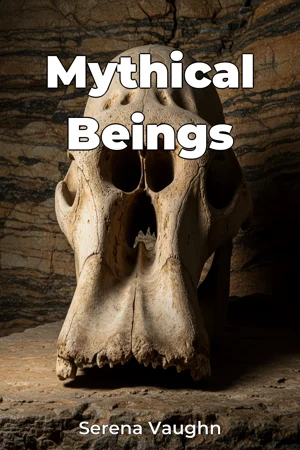
What if the fantastical creatures of myth weren't entirely born of imagination? This book, *Mythical Beings*, delves into the historical, scientific, and cultural influences that may have inspired the creation of widely known mythological creatures and hybrids. We will explore the fascinating interplay between human perception, environmental realities, and the enduring power of storytelling to understand how these figures populated our collective imagination. Two key concepts drive our investigation: the role of misidentification and misinterpretation of natural phenomena and the socio-cultural need for symbolic representation. The misidentification of fossils, unusual animal sightings, or misunderstood natural occurrences, such as volcanic activity or unusual weather patterns, often served as a catalyst for the creation of monstrous beings. Simultaneously, the need to personify abstract concepts like good and evil, strength and weakness, or the unknown dangers of the world often led to composite creatures embodying these qualities. Understanding these motivations provides a framework for deciphering the origins of many myths. The book provides the historical backdrop by examining ancient texts, artwork, and archaeological findings from various cultures, including Greek, Roman, Egyptian, Norse, and Mesopotamian civilizations. We will also examine early scientific thought and its limitations, highlighting how a lack of accurate information often fueled speculative interpretations of the natural world. The central argument posits that many mythological creatures are not simply products of pure fantasy, but rather amalgamations of real-world observations, cultural anxieties, and the limitations of early scientific understanding. By examining the potential real-world inspirations behind these creatures, we gain a deeper understanding of not only the myths themselves but also the societies that created them, offering insights into their beliefs, fears, and understanding of the world. The book unfolds in three major sections. First, we introduce the core concepts of misidentification and symbolic representation, establishing a theoretical framework for our investigation. The second section delves into specific case studies, examining creatures such as the Griffin, Cyclops, and Minotaur, exploring potential origins in fossil discoveries, misunderstood animal anatomy, and cultural narratives. For example, the single eye socket of a Cyclops may be linked to the discovery of elephant skulls, where the nasal cavity could have been misinterpreted as a single, enormous eye. The third section broadens the scope, analyzing how widespread environmental phenomena and cultural archetypes contributed to the proliferation of similar mythical creatures across different cultures, such as dragons and sea monsters. The concluding chapter explores the lasting influence of these creatures on contemporary culture, from literature and art to modern scientific speculation, and considers implications for understanding how humans create and interpret narratives. Evidence presented will be drawn from a variety of sources, including archaeological reports, paleontological studies, historical texts, and comparative mythology. The book also incorporates insights from cognitive psychology and anthropology to explore how the human mind processes and interprets information, creating narratives and symbols from incomplete data. *Mythical Beings* connects to several interdisciplinary fields, namely paleontology, history, and anthropology. Paleontology helps us understand fossil discoveries, history provides context of the cultures believing in these creatures and anthropology helps us understand human behavior and belief systems. This book offers a unique perspective by combining historical analysis with scientific reasoning, moving beyond simple descriptions of mythological creatures to explore their potential origins in the real world. The tone is informative and engaging, designed to appeal to a broad audience with an interest in mythology, history, and science. The target audience includes readers interested in mythology, folklore, ancient history, and the history of science. It would also be valuable to students and researchers in related fields. This book is genre-specific in adhering to rigorous standards of historical and scientific accuracy, presenting evidence-based arguments rather than speculative interpretations. The scope of the book is limited to examining widely known mythological creatures from primarily Western and Near Eastern cultures, acknowledging that a comprehensive analysis of all global mythologies would be beyond the scope of a single volume. The information presented in this book can be applied to critically analyzing contemporary narratives, understanding the psychological underpinnings of belief systems, and appreciating the enduring power of storytelling in shaping human culture. While exploring potential factual bases, this book will address debates by acknowledging the limitations of source material and encouraging further research, promoting the understanding of human curiosity, cross-cultural imagination, and myth-making.
What if the fantastical creatures of myth weren't entirely born of imagination? This book, *Mythical Beings*, delves into the historical, scientific, and cultural influences that may have inspired the creation of widely known mythological creatures and hybrids. We will explore the fascinating interplay between human perception, environmental realities, and the enduring power of storytelling to understand how these figures populated our collective imagination. Two key concepts drive our investigation: the role of misidentification and misinterpretation of natural phenomena and the socio-cultural need for symbolic representation. The misidentification of fossils, unusual animal sightings, or misunderstood natural occurrences, such as volcanic activity or unusual weather patterns, often served as a catalyst for the creation of monstrous beings. Simultaneously, the need to personify abstract concepts like good and evil, strength and weakness, or the unknown dangers of the world often led to composite creatures embodying these qualities. Understanding these motivations provides a framework for deciphering the origins of many myths. The book provides the historical backdrop by examining ancient texts, artwork, and archaeological findings from various cultures, including Greek, Roman, Egyptian, Norse, and Mesopotamian civilizations. We will also examine early scientific thought and its limitations, highlighting how a lack of accurate information often fueled speculative interpretations of the natural world. The central argument posits that many mythological creatures are not simply products of pure fantasy, but rather amalgamations of real-world observations, cultural anxieties, and the limitations of early scientific understanding. By examining the potential real-world inspirations behind these creatures, we gain a deeper understanding of not only the myths themselves but also the societies that created them, offering insights into their beliefs, fears, and understanding of the world. The book unfolds in three major sections. First, we introduce the core concepts of misidentification and symbolic representation, establishing a theoretical framework for our investigation. The second section delves into specific case studies, examining creatures such as the Griffin, Cyclops, and Minotaur, exploring potential origins in fossil discoveries, misunderstood animal anatomy, and cultural narratives. For example, the single eye socket of a Cyclops may be linked to the discovery of elephant skulls, where the nasal cavity could have been misinterpreted as a single, enormous eye. The third section broadens the scope, analyzing how widespread environmental phenomena and cultural archetypes contributed to the proliferation of similar mythical creatures across different cultures, such as dragons and sea monsters. The concluding chapter explores the lasting influence of these creatures on contemporary culture, from literature and art to modern scientific speculation, and considers implications for understanding how humans create and interpret narratives. Evidence presented will be drawn from a variety of sources, including archaeological reports, paleontological studies, historical texts, and comparative mythology. The book also incorporates insights from cognitive psychology and anthropology to explore how the human mind processes and interprets information, creating narratives and symbols from incomplete data. *Mythical Beings* connects to several interdisciplinary fields, namely paleontology, history, and anthropology. Paleontology helps us understand fossil discoveries, history provides context of the cultures believing in these creatures and anthropology helps us understand human behavior and belief systems. This book offers a unique perspective by combining historical analysis with scientific reasoning, moving beyond simple descriptions of mythological creatures to explore their potential origins in the real world. The tone is informative and engaging, designed to appeal to a broad audience with an interest in mythology, history, and science. The target audience includes readers interested in mythology, folklore, ancient history, and the history of science. It would also be valuable to students and researchers in related fields. This book is genre-specific in adhering to rigorous standards of historical and scientific accuracy, presenting evidence-based arguments rather than speculative interpretations. The scope of the book is limited to examining widely known mythological creatures from primarily Western and Near Eastern cultures, acknowledging that a comprehensive analysis of all global mythologies would be beyond the scope of a single volume. The information presented in this book can be applied to critically analyzing contemporary narratives, understanding the psychological underpinnings of belief systems, and appreciating the enduring power of storytelling in shaping human culture. While exploring potential factual bases, this book will address debates by acknowledging the limitations of source material and encouraging further research, promoting the understanding of human curiosity, cross-cultural imagination, and myth-making.
*Mythical Beings* explores the fascinating intersection of history and science, examining how real-world observations and cultural needs may have inspired the creation of mythological creatures. The book posits that many of these beings aren't pure fantasy but rather stem from misidentified fossils, misunderstood animal anatomy, and the human need to personify abstract concepts. For example, the Cyclops myth may originate from misinterpreted elephant skulls, while other creatures embody cultural anxieties and early scientific limitations. The book delves into ancient texts, artwork, and archaeological findings from civilizations like Greece, Rome, and Egypt, alongside insights from paleontology and anthropology. It investigates how a lack of accurate information often fueled speculative interpretations of the natural world, leading to the creation of creatures like the Griffin and Minotaur. By examining these potential real-world origins, the book offers a deeper understanding of the societies that created these myths, revealing their beliefs, fears, and understanding of the world. The book progresses by first establishing a theoretical framework based on misidentification and symbolic representation. Then, it examines specific case studies, such as the Cyclops, exploring potential origins in fossil discoveries and cultural narratives. Finally, it broadens the scope to analyze how widespread environmental phenomena and cultural archetypes contributed to similar mythical creatures across different cultures, before reflecting on the lasting influence of these creatures on contemporary culture.
Book Details
ISBN
9788235242709
Publisher
Publifye AS
Your Licenses
You don't own any licenses for this book
Purchase a license below to unlock this book and download the EPUB.
Purchase License
Select a tier to unlock this book
Need bulk licensing?
Contact us for enterprise agreements.