
About This Book
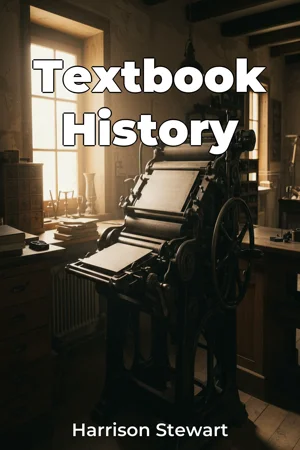
Have you ever considered how much of your knowledge has been shaped by the textbooks you've encountered throughout your life? "Textbook History" delves into the multifaceted role of textbooks in education and knowledge preservation, examining their evolution, influence, and enduring presence in shaping our understanding of the world. This book argues that textbooks are not merely conduits of information, but powerful cultural artifacts that reflect and reinforce societal values, pedagogical approaches, and the very construction of knowledge across time. Understanding this history is critical for educators, policymakers, and anyone interested in the dynamics of learning and cultural transmission. This book explores three principal themes. First, it investigates the historical development of textbooks from their earliest forms – such as hornbooks and primers – to the complex, multimedia resources prevalent today. This historical trajectory reveals shifting educational philosophies and technological advancements that have continually reshaped textbook design and content. Second, it analyzes the textbook as a site of ideological contestation, where competing narratives and perspectives vie for inclusion. We examine how textbooks have been used to promote specific national identities, reinforce social hierarchies, and either perpetuate or challenge dominant cultural norms. Third, the book assesses the impact of textbooks on student learning and engagement, considering issues of accessibility, representation, and the effectiveness of various pedagogical strategies employed within these resources. The development of textbooks has been intertwined with broader social and political movements, including the rise of universal education, the expansion of printing technology, and the ongoing debates surrounding curriculum reform. Prior knowledge of basic educational history and some familiarity with social and cultural theory would enhance the reader's understanding, but is not required. "Textbook History" offers clear explanations of key concepts. The central argument of this book is that textbooks are active agents in the construction and dissemination of knowledge, rather than passive vessels of objective facts. This perspective challenges traditional assumptions about the neutrality of educational materials and highlights the critical role of textbooks in shaping individual and collective understanding. The book is structured in three parts. Part I introduces the concept of the textbook as a cultural artifact and traces its evolution from manuscript to digital form. Part II examines the content of textbooks across different disciplines, focusing on the ways in which historical narratives, scientific concepts, and literary interpretations are presented and framed. Specific chapters analyze case studies from history, science, and literature textbooks, revealing the implicit biases and underlying assumptions that often shape their content. Part III explores the reception and impact of textbooks on students, teachers, and society at large, considering issues of accessibility, affordability, and the effectiveness of various pedagogical approaches. The conclusion synthesizes these findings and offers recommendations for creating more inclusive, engaging, and critically informed educational resources. The arguments presented are supported by a diverse range of evidence, including archival research on historical textbooks, content analysis of contemporary educational materials, and empirical studies on student learning and engagement. The book draws upon unique data sources, such as rare collections of historical textbooks and firsthand accounts from educators and students. "Textbook History" connects to several other fields of study, including the history of education, media studies, and cultural studies. By examining the textbook as a form of media, the book sheds light on the ways in which knowledge is produced, circulated, and consumed. It also intersects with cultural studies by exploring the role of textbooks in shaping cultural identities and reinforcing social norms. Additionally, it touches upon political science, exploring how governments and policymakers influence textbook content to promote specific agendas. This book adopts a critical and interdisciplinary approach to the study of textbooks, challenging conventional assumptions and offering fresh insights into their complex role in education and society. The book employs an academic yet accessible tone, making it suitable for a broad audience of scholars, educators, and anyone interested in the history of knowledge. The intended readership includes educators, curriculum developers, policymakers, and students of education, history, and media studies. This book is of value because it provides a comprehensive overview of the history and impact of textbooks, offering insights into how these resources can be used more effectively to promote learning and critical thinking. As a work of non-fiction history, "Textbook History" adheres to the genre's conventions of accuracy, objectivity, and evidence-based analysis. While covering a broad historical range, the book focuses primarily on the development of textbooks in Western societies, with some attention to global trends. The information presented in this book can be applied practically by educators seeking to critically evaluate and select appropriate textbooks for their classrooms. It can also inform the work of curriculum developers and policymakers seeking to create more inclusive and engaging educational resources. One ongoing debate in the field of education concerns the role of textbooks in the digital age. While some argue that textbooks are becoming obsolete in light of new technologies, others maintain that they continue to play an important role in providing structured and reliable information. "Textbook History" addresses this debate by examining the ways in which textbooks are adapting to the digital environment and exploring the potential benefits and challenges of using digital textbooks in the classroom.
Have you ever considered how much of your knowledge has been shaped by the textbooks you've encountered throughout your life? "Textbook History" delves into the multifaceted role of textbooks in education and knowledge preservation, examining their evolution, influence, and enduring presence in shaping our understanding of the world. This book argues that textbooks are not merely conduits of information, but powerful cultural artifacts that reflect and reinforce societal values, pedagogical approaches, and the very construction of knowledge across time. Understanding this history is critical for educators, policymakers, and anyone interested in the dynamics of learning and cultural transmission. This book explores three principal themes. First, it investigates the historical development of textbooks from their earliest forms – such as hornbooks and primers – to the complex, multimedia resources prevalent today. This historical trajectory reveals shifting educational philosophies and technological advancements that have continually reshaped textbook design and content. Second, it analyzes the textbook as a site of ideological contestation, where competing narratives and perspectives vie for inclusion. We examine how textbooks have been used to promote specific national identities, reinforce social hierarchies, and either perpetuate or challenge dominant cultural norms. Third, the book assesses the impact of textbooks on student learning and engagement, considering issues of accessibility, representation, and the effectiveness of various pedagogical strategies employed within these resources. The development of textbooks has been intertwined with broader social and political movements, including the rise of universal education, the expansion of printing technology, and the ongoing debates surrounding curriculum reform. Prior knowledge of basic educational history and some familiarity with social and cultural theory would enhance the reader's understanding, but is not required. "Textbook History" offers clear explanations of key concepts. The central argument of this book is that textbooks are active agents in the construction and dissemination of knowledge, rather than passive vessels of objective facts. This perspective challenges traditional assumptions about the neutrality of educational materials and highlights the critical role of textbooks in shaping individual and collective understanding. The book is structured in three parts. Part I introduces the concept of the textbook as a cultural artifact and traces its evolution from manuscript to digital form. Part II examines the content of textbooks across different disciplines, focusing on the ways in which historical narratives, scientific concepts, and literary interpretations are presented and framed. Specific chapters analyze case studies from history, science, and literature textbooks, revealing the implicit biases and underlying assumptions that often shape their content. Part III explores the reception and impact of textbooks on students, teachers, and society at large, considering issues of accessibility, affordability, and the effectiveness of various pedagogical approaches. The conclusion synthesizes these findings and offers recommendations for creating more inclusive, engaging, and critically informed educational resources. The arguments presented are supported by a diverse range of evidence, including archival research on historical textbooks, content analysis of contemporary educational materials, and empirical studies on student learning and engagement. The book draws upon unique data sources, such as rare collections of historical textbooks and firsthand accounts from educators and students. "Textbook History" connects to several other fields of study, including the history of education, media studies, and cultural studies. By examining the textbook as a form of media, the book sheds light on the ways in which knowledge is produced, circulated, and consumed. It also intersects with cultural studies by exploring the role of textbooks in shaping cultural identities and reinforcing social norms. Additionally, it touches upon political science, exploring how governments and policymakers influence textbook content to promote specific agendas. This book adopts a critical and interdisciplinary approach to the study of textbooks, challenging conventional assumptions and offering fresh insights into their complex role in education and society. The book employs an academic yet accessible tone, making it suitable for a broad audience of scholars, educators, and anyone interested in the history of knowledge. The intended readership includes educators, curriculum developers, policymakers, and students of education, history, and media studies. This book is of value because it provides a comprehensive overview of the history and impact of textbooks, offering insights into how these resources can be used more effectively to promote learning and critical thinking. As a work of non-fiction history, "Textbook History" adheres to the genre's conventions of accuracy, objectivity, and evidence-based analysis. While covering a broad historical range, the book focuses primarily on the development of textbooks in Western societies, with some attention to global trends. The information presented in this book can be applied practically by educators seeking to critically evaluate and select appropriate textbooks for their classrooms. It can also inform the work of curriculum developers and policymakers seeking to create more inclusive and engaging educational resources. One ongoing debate in the field of education concerns the role of textbooks in the digital age. While some argue that textbooks are becoming obsolete in light of new technologies, others maintain that they continue to play an important role in providing structured and reliable information. "Textbook History" addresses this debate by examining the ways in which textbooks are adapting to the digital environment and exploring the potential benefits and challenges of using digital textbooks in the classroom.
"Textbook History" explores the surprising influence of textbooks, arguing they are more than just educational resources; they are cultural artifacts that shape our understanding of the world. The book uncovers how textbooks have evolved from simple hornbooks to complex multimedia resources, reflecting changes in educational philosophies and technology. It also highlights how textbooks have been used to promote specific national identities and reinforce social hierarchies, revealing them as sites of ideological contestation. The book examines the construction of knowledge within textbooks across history, science, and literature, revealing implicit biases and assumptions. By tracing the historical development of textbooks, the book reveals the shifting pedagogical approaches that have reshaped textbook design and content. It connects to fields like media studies and cultural studies, examining how knowledge is produced, circulated, and consumed through educational resources. Structured in three parts, the book progresses from the textbook's origins to its impact on students and society. It addresses the ongoing debate about textbooks in the digital age, considering their adaptation and the benefits of digital formats. This unique approach offers valuable insights for educators, policymakers, and anyone interested in the history of education and the dynamics of learning.
Book Details
ISBN
9788235242273
Publisher
Publifye AS
Your Licenses
You don't own any licenses for this book
Purchase a license below to unlock this book and download the EPUB.
Purchase License
Select a tier to unlock this book
Need bulk licensing?
Contact us for enterprise agreements.