
About This Book
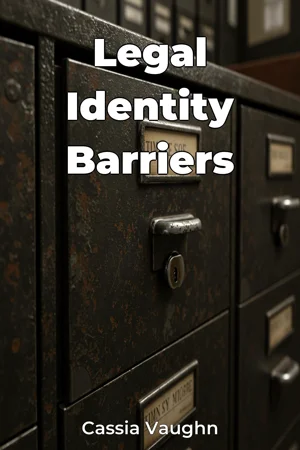
In many regions, a simple alteration or correction to a birth certificate is a routine administrative task. But what happens when that routine task transforms into an insurmountable legal barrier, fundamentally impacting an individual's ability to access basic rights and services? "Legal Identity Barriers" delves into the complex web of administrative and legal obstacles faced by LGBTQ individuals in updating identity documents and, consequently, in securing equal rights across diverse geographical locations. This book tackles three principal areas: the bureaucratic hurdles in amending identity documents to reflect lived gender identity, the inconsistencies in legal rights and recognition for same-sex couples and transgender individuals across different jurisdictions, and the socioeconomic impacts stemming from these disparities. These topics are critical because legal identity is foundational to civic participation, access to healthcare, employment, and freedom from discrimination. Historically, legal frameworks have often been designed with heteronormative and cisnormative assumptions, creating systemic disadvantages for LGBTQ individuals seeking to align their legal identity with their lived reality. The book assumes a basic understanding of LGBTQ identities and issues, but also provides foundational context regarding relevant legal concepts such as due process and equal protection under the law. The central argument is that administrative and legal barriers to identity document updates and rights recognition constitute a form of systemic discrimination, hindering LGBTQ individuals' full participation in society and undermining principles of equality and justice. This argument's importance lies in its potential to inform policy changes, legal reforms, and advocacy efforts aimed at dismantling these barriers and promoting inclusivity. The book begins by introducing core concepts related to legal identity, gender recognition, and LGBTQ rights. It then develops its argument through three major sections. First, it examines the administrative procedures involved in changing names and gender markers on birth certificates, driver's licenses, passports, and other crucial documents, highlighting the varying requirements and challenges encountered in different regions. Second, it analyzes the patchwork of laws and court decisions affecting same-sex marriage, adoption, and transgender rights across states and countries, demonstrating the inconsistencies and disparities that persist. Third, it investigates the socioeconomic consequences of these legal identity barriers, including difficulties in accessing employment, healthcare, housing, and financial services. The book culminates by proposing policy recommendations and strategies for overcoming these barriers, advocating for streamlined, accessible, and respectful processes for updating identity documents and securing equal rights. The evidence presented draws from legal analyses of statutes and case law, administrative data on document amendment processes, and sociological studies of LGBTQ experiences with discrimination. Unique data sources may include reports from LGBTQ advocacy organizations and firsthand accounts gathered through interviews and surveys. The book also makes connections to other fields such as public health, economics, and sociology. By exploring the health impacts of discrimination, the economic costs of inequality, and the social consequences of exclusion, the book strengthens its argument that legal identity barriers have far-reaching effects. What sets this book apart is its comparative analysis of legal identity barriers across diverse jurisdictions. By examining both successful reforms and persistent challenges, it offers valuable insights for policymakers, advocates, and researchers seeking to advance LGBTQ equality. The writing style is academic yet accessible, aiming to present complex legal and social issues in a clear and engaging manner. The target audience includes legal scholars, policymakers, LGBTQ advocates, human rights organizations, and anyone interested in understanding the challenges faced by LGBTQ individuals in navigating legal systems. As a work in the genres of Politics and Social Science, the book adheres to standards of rigorous research, objective analysis, and evidence-based argumentation. It acknowledges the book's scope is limited to legal and administrative challenges, and it does not delve into the cultural or religious debates surrounding LGBTQ issues beyond their direct impact on legal frameworks. The information in the book can be applied practically by policymakers seeking to reform discriminatory laws, advocates seeking to challenge unjust policies, and LGBTQ individuals seeking to understand their rights and navigate legal systems. The book also addresses ongoing debates surrounding the definition of gender, the role of government in regulating identity, and the balance between individual rights and religious freedom, offering informed perspectives on these complex issues.
In many regions, a simple alteration or correction to a birth certificate is a routine administrative task. But what happens when that routine task transforms into an insurmountable legal barrier, fundamentally impacting an individual's ability to access basic rights and services? "Legal Identity Barriers" delves into the complex web of administrative and legal obstacles faced by LGBTQ individuals in updating identity documents and, consequently, in securing equal rights across diverse geographical locations. This book tackles three principal areas: the bureaucratic hurdles in amending identity documents to reflect lived gender identity, the inconsistencies in legal rights and recognition for same-sex couples and transgender individuals across different jurisdictions, and the socioeconomic impacts stemming from these disparities. These topics are critical because legal identity is foundational to civic participation, access to healthcare, employment, and freedom from discrimination. Historically, legal frameworks have often been designed with heteronormative and cisnormative assumptions, creating systemic disadvantages for LGBTQ individuals seeking to align their legal identity with their lived reality. The book assumes a basic understanding of LGBTQ identities and issues, but also provides foundational context regarding relevant legal concepts such as due process and equal protection under the law. The central argument is that administrative and legal barriers to identity document updates and rights recognition constitute a form of systemic discrimination, hindering LGBTQ individuals' full participation in society and undermining principles of equality and justice. This argument's importance lies in its potential to inform policy changes, legal reforms, and advocacy efforts aimed at dismantling these barriers and promoting inclusivity. The book begins by introducing core concepts related to legal identity, gender recognition, and LGBTQ rights. It then develops its argument through three major sections. First, it examines the administrative procedures involved in changing names and gender markers on birth certificates, driver's licenses, passports, and other crucial documents, highlighting the varying requirements and challenges encountered in different regions. Second, it analyzes the patchwork of laws and court decisions affecting same-sex marriage, adoption, and transgender rights across states and countries, demonstrating the inconsistencies and disparities that persist. Third, it investigates the socioeconomic consequences of these legal identity barriers, including difficulties in accessing employment, healthcare, housing, and financial services. The book culminates by proposing policy recommendations and strategies for overcoming these barriers, advocating for streamlined, accessible, and respectful processes for updating identity documents and securing equal rights. The evidence presented draws from legal analyses of statutes and case law, administrative data on document amendment processes, and sociological studies of LGBTQ experiences with discrimination. Unique data sources may include reports from LGBTQ advocacy organizations and firsthand accounts gathered through interviews and surveys. The book also makes connections to other fields such as public health, economics, and sociology. By exploring the health impacts of discrimination, the economic costs of inequality, and the social consequences of exclusion, the book strengthens its argument that legal identity barriers have far-reaching effects. What sets this book apart is its comparative analysis of legal identity barriers across diverse jurisdictions. By examining both successful reforms and persistent challenges, it offers valuable insights for policymakers, advocates, and researchers seeking to advance LGBTQ equality. The writing style is academic yet accessible, aiming to present complex legal and social issues in a clear and engaging manner. The target audience includes legal scholars, policymakers, LGBTQ advocates, human rights organizations, and anyone interested in understanding the challenges faced by LGBTQ individuals in navigating legal systems. As a work in the genres of Politics and Social Science, the book adheres to standards of rigorous research, objective analysis, and evidence-based argumentation. It acknowledges the book's scope is limited to legal and administrative challenges, and it does not delve into the cultural or religious debates surrounding LGBTQ issues beyond their direct impact on legal frameworks. The information in the book can be applied practically by policymakers seeking to reform discriminatory laws, advocates seeking to challenge unjust policies, and LGBTQ individuals seeking to understand their rights and navigate legal systems. The book also addresses ongoing debates surrounding the definition of gender, the role of government in regulating identity, and the balance between individual rights and religious freedom, offering informed perspectives on these complex issues.
"Legal Identity Barriers" examines the significant administrative and legal obstacles LGBTQ individuals face when updating identity documents, impacting their ability to access basic rights and services. The book highlights how seemingly simple tasks, like altering a birth certificate, can become insurmountable hurdles, leading to systemic discrimination. This discrimination can hinder access to healthcare, employment, and housing, demonstrating the far-reaching socioeconomic consequences of these barriers. The book uniquely analyzes legal identity barriers across diverse jurisdictions, offering valuable insights for policymakers and advocates. It presents a comparative analysis of successful reforms alongside persistent challenges. Beginning with core concepts related to legal identity and LGBTQ rights, the book progresses through an examination of administrative procedures, an analysis of varying laws and court decisions, and an investigation into socioeconomic consequences. Drawing from legal analyses, administrative data, and sociological studies, the book argues that these barriers constitute a form of systemic discrimination. Policy recommendations and strategies are proposed to streamline processes for updating identity documents and securing equal rights, advocating for policy changes, legal reforms, and advocacy efforts to dismantle these barriers and promote inclusivity.
Book Details
ISBN
9788235241979
Publisher
Publifye AS
Your Licenses
You don't own any licenses for this book
Purchase a license below to unlock this book and download the EPUB.
Purchase License
Select a tier to unlock this book
Need bulk licensing?
Contact us for enterprise agreements.