
About This Book
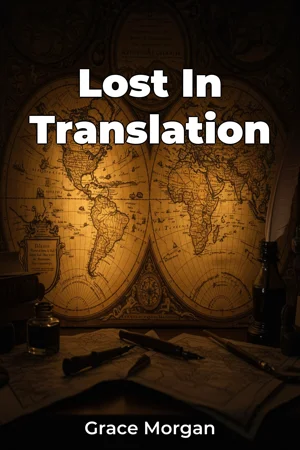
Have you ever wondered how a simple mistranslation could lead to international embarrassment or even alter the course of history? "Lost in Translation" explores the fascinating and often humorous world of linguistic mishaps, where words, slogans, and diplomatic speeches have unintended and sometimes disastrous consequences. This book delves into the significant role that language plays in shaping our understanding of the world, examining how cultural differences and linguistic nuances can lead to profound misunderstandings. This book focuses on several key themes. First, it examines the concept of linguistic relativity, exploring how different languages structure thought processes and worldviews. Second, it analyzes the cultural contexts that influence translation, highlighting the challenges of conveying meaning across diverse societies. Third, it demonstrates how political and economic interests can shape the interpretation and dissemination of translated information. All of these topics are vital because, in an increasingly globalized world, effective communication is more important than ever. Misunderstandings can strain international relations, impact business deals, and fuel cultural stereotypes. Understanding the nuances of translation, therefore, is not just an academic exercise but a practical necessity. To fully appreciate the impact of "Lost in Translation", it's important to consider the historical context of cross-cultural communication. From the early days of diplomacy to the modern era of global marketing, societies have grappled with the challenges of translating ideas and concepts. No specific prerequisite knowledge is required to understand the book. The central argument of "Lost in Translation" is that effective translation goes beyond simply converting words from one language to another; it requires a deep understanding of cultural context, historical background, and social nuances. The book argues that linguistic misunderstandings are not merely amusing anecdotes but reflections of deeper cultural and political dynamics. "Lost in Translation" unfolds in a structured manner. Beginning with an introduction to the core concepts of translation theory, the book moves on to examine specific case studies of linguistic blunders. These case studies are divided into thematic chapters, such as "Diplomatic Disasters," which analyzes mistranslations in international negotiations, and "Marketing Mishaps," which explores the pitfalls of translating advertising slogans for foreign markets. The book culminates with a discussion of best practices for effective cross-cultural communication and the implications of translation for shaping global perceptions. The book draws on a wide range of sources, including historical documents, linguistic analyses, and interviews with translators and diplomats. It also incorporates examples from marketing campaigns and political speeches, providing a comprehensive overview of the challenges and opportunities of translation. "Lost in Translation" also connects to other fields of study, such as history, sociology, and political science. By examining how translation influences historical events, social interactions, and political discourse, the book offers a multidisciplinary perspective on the power of language. This interdisciplinary approach enhances the book's argument by demonstrating the pervasive influence of translation in shaping our understanding of the world. "Lost in Translation" adopts a narrative non-fiction approach, presenting information in an accessible and engaging manner. The writing style is designed to be informative yet entertaining, making complex concepts understandable to a broad audience. The target audience for "Lost in Translation" includes students of languages, history, and international relations, as well as anyone interested in cross-cultural communication. The book would be especially valuable to professionals working in fields such as diplomacy, marketing, and journalism, where effective communication is essential. As a work of non-fiction, "Lost in Translation" is committed to accuracy and objectivity. While the book explores humorous anecdotes, it also treats its subject matter with seriousness and intellectual rigor. The scope of "Lost in Translation" is broad, covering a wide range of historical periods and geographical regions. However, it is limited to case studies where documented evidence of mistranslation is available. The information in "Lost in Translation" can be applied in a variety of real-world settings. By understanding the principles of effective translation, readers can improve their communication skills, avoid cultural misunderstandings, and navigate the complexities of a globalized world. While "Lost in Translation" strives to present a balanced perspective, it acknowledges that translation is often a subjective process, influenced by the translator's own biases and cultural assumptions. The book also touches on ongoing debates about the role of technology in translation and the ethical responsibilities of translators.
Have you ever wondered how a simple mistranslation could lead to international embarrassment or even alter the course of history? "Lost in Translation" explores the fascinating and often humorous world of linguistic mishaps, where words, slogans, and diplomatic speeches have unintended and sometimes disastrous consequences. This book delves into the significant role that language plays in shaping our understanding of the world, examining how cultural differences and linguistic nuances can lead to profound misunderstandings. This book focuses on several key themes. First, it examines the concept of linguistic relativity, exploring how different languages structure thought processes and worldviews. Second, it analyzes the cultural contexts that influence translation, highlighting the challenges of conveying meaning across diverse societies. Third, it demonstrates how political and economic interests can shape the interpretation and dissemination of translated information. All of these topics are vital because, in an increasingly globalized world, effective communication is more important than ever. Misunderstandings can strain international relations, impact business deals, and fuel cultural stereotypes. Understanding the nuances of translation, therefore, is not just an academic exercise but a practical necessity. To fully appreciate the impact of "Lost in Translation", it's important to consider the historical context of cross-cultural communication. From the early days of diplomacy to the modern era of global marketing, societies have grappled with the challenges of translating ideas and concepts. No specific prerequisite knowledge is required to understand the book. The central argument of "Lost in Translation" is that effective translation goes beyond simply converting words from one language to another; it requires a deep understanding of cultural context, historical background, and social nuances. The book argues that linguistic misunderstandings are not merely amusing anecdotes but reflections of deeper cultural and political dynamics. "Lost in Translation" unfolds in a structured manner. Beginning with an introduction to the core concepts of translation theory, the book moves on to examine specific case studies of linguistic blunders. These case studies are divided into thematic chapters, such as "Diplomatic Disasters," which analyzes mistranslations in international negotiations, and "Marketing Mishaps," which explores the pitfalls of translating advertising slogans for foreign markets. The book culminates with a discussion of best practices for effective cross-cultural communication and the implications of translation for shaping global perceptions. The book draws on a wide range of sources, including historical documents, linguistic analyses, and interviews with translators and diplomats. It also incorporates examples from marketing campaigns and political speeches, providing a comprehensive overview of the challenges and opportunities of translation. "Lost in Translation" also connects to other fields of study, such as history, sociology, and political science. By examining how translation influences historical events, social interactions, and political discourse, the book offers a multidisciplinary perspective on the power of language. This interdisciplinary approach enhances the book's argument by demonstrating the pervasive influence of translation in shaping our understanding of the world. "Lost in Translation" adopts a narrative non-fiction approach, presenting information in an accessible and engaging manner. The writing style is designed to be informative yet entertaining, making complex concepts understandable to a broad audience. The target audience for "Lost in Translation" includes students of languages, history, and international relations, as well as anyone interested in cross-cultural communication. The book would be especially valuable to professionals working in fields such as diplomacy, marketing, and journalism, where effective communication is essential. As a work of non-fiction, "Lost in Translation" is committed to accuracy and objectivity. While the book explores humorous anecdotes, it also treats its subject matter with seriousness and intellectual rigor. The scope of "Lost in Translation" is broad, covering a wide range of historical periods and geographical regions. However, it is limited to case studies where documented evidence of mistranslation is available. The information in "Lost in Translation" can be applied in a variety of real-world settings. By understanding the principles of effective translation, readers can improve their communication skills, avoid cultural misunderstandings, and navigate the complexities of a globalized world. While "Lost in Translation" strives to present a balanced perspective, it acknowledges that translation is often a subjective process, influenced by the translator's own biases and cultural assumptions. The book also touches on ongoing debates about the role of technology in translation and the ethical responsibilities of translators.
Lost in Translation explores the pivotal role of language in international relations, cross-cultural communication, and global understanding. It delves into the fascinating world where linguistic mishaps and cultural misunderstandings can lead to humorous gaffes or even diplomatic disasters. One intriguing insight is how different languages can shape our thought processes, a concept known as linguistic relativity. Lost in Translation also highlights how political and economic interests often influence the interpretation and dissemination of translated information. Lost in Translation approaches the subject through engaging case studies, divided into thematic chapters like Diplomatic Disasters and Marketing Mishaps, illustrating real-world examples of mistranslations. Effective translation, it argues, requires more than just word conversion; it demands a deep understanding of cultural context and historical background. Lost in Translation progresses from core concepts of translation theory to specific examples, culminating in best practices for effective cross-cultural communication in our increasingly globalized world.
Book Details
ISBN
9788235241962
Publisher
Publifye AS
Your Licenses
You don't own any licenses for this book
Purchase a license below to unlock this book and download the EPUB.
Purchase License
Select a tier to unlock this book
Need bulk licensing?
Contact us for enterprise agreements.