
About This Book
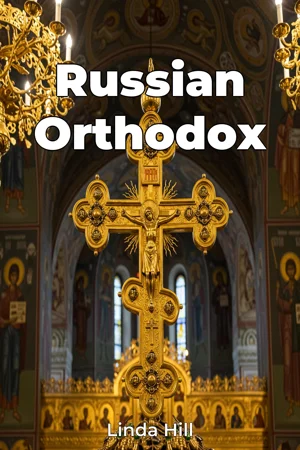
How has the Russian Orthodox Church shaped Russia's identity, its political landscape, and its interactions with the world? "Russian Orthodox" delves into the complex and often tumultuous history of this institution, exploring its profound influence on Russian politics, culture, and societal values, while also examining the religious conflicts that have marked its path. This book provides a comprehensive analysis that is crucial for understanding modern Russia and its place in global history. This exploration begins by establishing the historical context of the Russian Orthodox Church, tracing its origins from the Byzantine Empire and its subsequent adaptation and evolution within the Russian state. It examines the crucial role the Church played in the consolidation of power by the early Tsars, acting as a unifying force across diverse territories and populations. Understanding this foundational period is essential for grasping the Church's enduring legacy and its enduring influence on Russian political thought. The central argument pivots on the Church’s dynamic relationship with the Russian state – a partnership that has oscillated between periods of symbiotic cooperation and intense conflict. This book argues that the Church's influence is not merely a relic of the past but remains a potent force shaping contemporary Russian policies and national identity. "Russian Orthodox" is structured chronologically and thematically. First, the book introduces the key figures, theological concepts, and political events that defined the Church's early development. Then, it explores the Church's role during the Tsarist era, including its involvement in imperial expansion, social reforms, and periods of internal strife. A significant portion is dedicated to analyzing the Soviet period, detailing the persecution of the Church, its underground survival, and eventual resurgence. Finally, the book examines the Church's contemporary role in post-Soviet Russia, its relationship with the current government, and its influence on social issues and foreign policy. To support its arguments, this book draws upon a wide range of primary and secondary sources, including historical documents, theological treatises, government archives, and sociological studies. Particular attention is given to analyzing the writings of key Church leaders and political figures, providing a nuanced understanding of their motivations and perspectives. The book also incorporates recent research on religious trends in Russia, offering insights into the evolving role of faith in modern society. This study spans across several disciplines, including history, religious studies, and political science, offering a multifaceted perspective on the Russian Orthodox Church. It connects to broader themes of nationalism, power, and cultural identity, demonstrating how religious institutions can shape the course of history. By examining the interplay between religion and politics, this book contributes to a deeper understanding of both Russian history and the dynamics of religious influence in other societies. The book adopts a balanced and objective tone, presenting diverse viewpoints and acknowledging the complexities of the subject matter. While remaining accessible to a general audience, it also provides rigorous analysis and scholarly depth to meet the needs of students and specialists. "Russian Orthodox" is intended for anyone interested in Russian history, religious studies, or political science. It will be valuable for students, researchers, policymakers, and general readers seeking a comprehensive and nuanced understanding of the Russian Orthodox Church and its role in shaping Russia. In line with the conventions of historical writing, this book emphasizes factual accuracy, rigorous documentation, and objective analysis. It aims to provide a comprehensive and authoritative account of the Russian Orthodox Church, avoiding speculative or biased interpretations. The scope of this book is intentionally broad, covering the entire history of the Russian Orthodox Church from its origins to the present day. However, it focuses primarily on the Church's relationship with the Russian state and its impact on Russian society, rather than delving into detailed theological debates. The insights offered in this book can be applied to understanding contemporary political and social issues in Russia. By understanding the historical roots of the Church's influence, readers can gain a better understanding of current events and the factors shaping Russia's future. The book also addresses ongoing debates surrounding the Church's role in Russian society, including controversies related to its wealth, political influence, and stances on social issues. By presenting diverse perspectives and analyzing the underlying issues, this book aims to foster a more informed and nuanced understanding of these complex debates.
How has the Russian Orthodox Church shaped Russia's identity, its political landscape, and its interactions with the world? "Russian Orthodox" delves into the complex and often tumultuous history of this institution, exploring its profound influence on Russian politics, culture, and societal values, while also examining the religious conflicts that have marked its path. This book provides a comprehensive analysis that is crucial for understanding modern Russia and its place in global history. This exploration begins by establishing the historical context of the Russian Orthodox Church, tracing its origins from the Byzantine Empire and its subsequent adaptation and evolution within the Russian state. It examines the crucial role the Church played in the consolidation of power by the early Tsars, acting as a unifying force across diverse territories and populations. Understanding this foundational period is essential for grasping the Church's enduring legacy and its enduring influence on Russian political thought. The central argument pivots on the Church’s dynamic relationship with the Russian state – a partnership that has oscillated between periods of symbiotic cooperation and intense conflict. This book argues that the Church's influence is not merely a relic of the past but remains a potent force shaping contemporary Russian policies and national identity. "Russian Orthodox" is structured chronologically and thematically. First, the book introduces the key figures, theological concepts, and political events that defined the Church's early development. Then, it explores the Church's role during the Tsarist era, including its involvement in imperial expansion, social reforms, and periods of internal strife. A significant portion is dedicated to analyzing the Soviet period, detailing the persecution of the Church, its underground survival, and eventual resurgence. Finally, the book examines the Church's contemporary role in post-Soviet Russia, its relationship with the current government, and its influence on social issues and foreign policy. To support its arguments, this book draws upon a wide range of primary and secondary sources, including historical documents, theological treatises, government archives, and sociological studies. Particular attention is given to analyzing the writings of key Church leaders and political figures, providing a nuanced understanding of their motivations and perspectives. The book also incorporates recent research on religious trends in Russia, offering insights into the evolving role of faith in modern society. This study spans across several disciplines, including history, religious studies, and political science, offering a multifaceted perspective on the Russian Orthodox Church. It connects to broader themes of nationalism, power, and cultural identity, demonstrating how religious institutions can shape the course of history. By examining the interplay between religion and politics, this book contributes to a deeper understanding of both Russian history and the dynamics of religious influence in other societies. The book adopts a balanced and objective tone, presenting diverse viewpoints and acknowledging the complexities of the subject matter. While remaining accessible to a general audience, it also provides rigorous analysis and scholarly depth to meet the needs of students and specialists. "Russian Orthodox" is intended for anyone interested in Russian history, religious studies, or political science. It will be valuable for students, researchers, policymakers, and general readers seeking a comprehensive and nuanced understanding of the Russian Orthodox Church and its role in shaping Russia. In line with the conventions of historical writing, this book emphasizes factual accuracy, rigorous documentation, and objective analysis. It aims to provide a comprehensive and authoritative account of the Russian Orthodox Church, avoiding speculative or biased interpretations. The scope of this book is intentionally broad, covering the entire history of the Russian Orthodox Church from its origins to the present day. However, it focuses primarily on the Church's relationship with the Russian state and its impact on Russian society, rather than delving into detailed theological debates. The insights offered in this book can be applied to understanding contemporary political and social issues in Russia. By understanding the historical roots of the Church's influence, readers can gain a better understanding of current events and the factors shaping Russia's future. The book also addresses ongoing debates surrounding the Church's role in Russian society, including controversies related to its wealth, political influence, and stances on social issues. By presenting diverse perspectives and analyzing the underlying issues, this book aims to foster a more informed and nuanced understanding of these complex debates.
"Russian Orthodox" explores the extensive history of the Russian Orthodox Church and its lasting effects on Russia's national identity, political structure, and cultural development. Originating from the Byzantine Empire, the Church played a vital role in solidifying the power of early Tsars, acting as a unifying force across diverse populations. The book analyzes the Church's complex interaction with the Russian state, highlighting how this relationship has shifted from cooperation to conflict over centuries. The book examines key figures, theological concepts, and political events, providing a chronological and thematic overview of the Church's evolution. From its role during imperial expansion in the Tsarist era to its persecution and underground survival during the Soviet period, each chapter reveals a different facet of the Church's resilience. A significant portion analyzes the Church's modern role in post-Soviet Russia, its relationship with the government, and its influence on social issues. Drawing on historical documents, theological treatises, and sociological studies, "Russian Orthodox" navigates the Church's complexities, offering a balanced perspective on its influence. This comprehensive analysis is essential for anyone seeking to understand the dynamics between religion and politics in Russia and the factors shaping its future.
Book Details
ISBN
9788235241955
Publisher
Publifye AS
Your Licenses
You don't own any licenses for this book
Purchase a license below to unlock this book and download the EPUB.
Purchase License
Select a tier to unlock this book
Need bulk licensing?
Contact us for enterprise agreements.