
About This Book
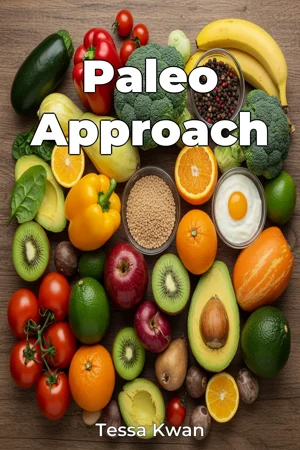
Are you seeking a diet that aligns with our ancestral past, potentially unlocking a path to enhanced well-being? This book, "Paleo Approach," delves into the core principles of the Paleolithic diet, exploring its potential benefits while addressing critical considerations for long-term adherence. It tackles two significant aspects: understanding the scientific rationale behind the paleo diet and providing practical guidance for its seamless integration into modern life. These elements are vital because they equip readers with the knowledge to make informed dietary choices and sustain those changes effectively. The paleo diet draws inspiration from the eating habits of our hunter-gatherer ancestors, emphasizing whole, unprocessed foods such as lean proteins, fruits, vegetables, nuts, and seeds, while excluding grains, legumes, dairy, and refined sugars. The central argument of "Paleo Approach" is that by aligning our diets with our evolutionary heritage, we can potentially optimize our health, reduce the risk of chronic diseases, and improve overall vitality. This argument is significant because it challenges conventional dietary guidelines and offers an alternative, evidence-based approach to nutrition. This book is structured to provide a comprehensive understanding of the paleo diet. It begins by introducing the fundamental concepts and historical context, tracing the origins of the paleo movement and the scientific rationale behind its key tenets. Subsequent chapters delve into specific food groups, examining their nutritional properties and potential impact on health. The book will detail the research supporting the adoption of a paleo diet, drawing from studies in nutrition, anthropology, and evolutionary biology. It examines the impact on various health markers and conditions. A significant portion of these arguments is based on analysis of dietary patterns of modern hunter-gatherer societies and their health outcomes compared to those following Western diets. Furthermore, "Paleo Approach" addresses the practical aspects of adopting and maintaining a paleo lifestyle. This includes guidance on meal planning, grocery shopping, and cooking techniques, making it easier for readers to implement the diet in their daily lives. The book also contains practical tips and strategies for overcoming common challenges, such as dining out and dealing with social situations. "Paleo Approach" connects to fields beyond nutrition, including anthropology, evolutionary biology, and even psychology. The anthropological perspective offers insight into the diets of ancestral populations, evolutionary biology illuminates the biological adaptations that influence our nutritional needs, and psychology helps us understand the behavioral aspects of dietary change. This interdisciplinary approach enhances the book's argument by providing a more holistic understanding of the paleo diet and its implications. The book takes a balanced and evidence-based approach, acknowledging both the potential benefits and limitations of the paleo diet. It is written in an accessible style, avoiding overly technical jargon and presenting information in a clear, concise manner. "Paleo Approach" is aimed towards individuals seeking to improve their health through dietary changes, those interested in ancestral nutrition, and healthcare professionals looking for an alternative perspective on diet and wellness. This book would be valuable to them due to its comprehensive coverage, practical guidance, and evidence-based approach. While the book explores the broad potential benefits of the paleo diet, it acknowledges its limitations. It doesn't offer medical advice. Readers are encouraged to consult their healthcare provider for individual needs. It also acknowledges the ongoing debates within the nutrition community regarding the long-term sustainability and potential drawbacks of the paleo diet, particularly concerning nutrient deficiencies and the exclusion of certain food groups. The aim is to present these controversies objectively, allowing readers to form their own informed opinions.
Are you seeking a diet that aligns with our ancestral past, potentially unlocking a path to enhanced well-being? This book, "Paleo Approach," delves into the core principles of the Paleolithic diet, exploring its potential benefits while addressing critical considerations for long-term adherence. It tackles two significant aspects: understanding the scientific rationale behind the paleo diet and providing practical guidance for its seamless integration into modern life. These elements are vital because they equip readers with the knowledge to make informed dietary choices and sustain those changes effectively. The paleo diet draws inspiration from the eating habits of our hunter-gatherer ancestors, emphasizing whole, unprocessed foods such as lean proteins, fruits, vegetables, nuts, and seeds, while excluding grains, legumes, dairy, and refined sugars. The central argument of "Paleo Approach" is that by aligning our diets with our evolutionary heritage, we can potentially optimize our health, reduce the risk of chronic diseases, and improve overall vitality. This argument is significant because it challenges conventional dietary guidelines and offers an alternative, evidence-based approach to nutrition. This book is structured to provide a comprehensive understanding of the paleo diet. It begins by introducing the fundamental concepts and historical context, tracing the origins of the paleo movement and the scientific rationale behind its key tenets. Subsequent chapters delve into specific food groups, examining their nutritional properties and potential impact on health. The book will detail the research supporting the adoption of a paleo diet, drawing from studies in nutrition, anthropology, and evolutionary biology. It examines the impact on various health markers and conditions. A significant portion of these arguments is based on analysis of dietary patterns of modern hunter-gatherer societies and their health outcomes compared to those following Western diets. Furthermore, "Paleo Approach" addresses the practical aspects of adopting and maintaining a paleo lifestyle. This includes guidance on meal planning, grocery shopping, and cooking techniques, making it easier for readers to implement the diet in their daily lives. The book also contains practical tips and strategies for overcoming common challenges, such as dining out and dealing with social situations. "Paleo Approach" connects to fields beyond nutrition, including anthropology, evolutionary biology, and even psychology. The anthropological perspective offers insight into the diets of ancestral populations, evolutionary biology illuminates the biological adaptations that influence our nutritional needs, and psychology helps us understand the behavioral aspects of dietary change. This interdisciplinary approach enhances the book's argument by providing a more holistic understanding of the paleo diet and its implications. The book takes a balanced and evidence-based approach, acknowledging both the potential benefits and limitations of the paleo diet. It is written in an accessible style, avoiding overly technical jargon and presenting information in a clear, concise manner. "Paleo Approach" is aimed towards individuals seeking to improve their health through dietary changes, those interested in ancestral nutrition, and healthcare professionals looking for an alternative perspective on diet and wellness. This book would be valuable to them due to its comprehensive coverage, practical guidance, and evidence-based approach. While the book explores the broad potential benefits of the paleo diet, it acknowledges its limitations. It doesn't offer medical advice. Readers are encouraged to consult their healthcare provider for individual needs. It also acknowledges the ongoing debates within the nutrition community regarding the long-term sustainability and potential drawbacks of the paleo diet, particularly concerning nutrient deficiencies and the exclusion of certain food groups. The aim is to present these controversies objectively, allowing readers to form their own informed opinions.
"Paleo Approach" explores the Paleolithic diet, advocating for a return to ancestral nutrition by emphasizing whole foods like lean proteins, fruits, and vegetables while excluding grains, legumes, and refined sugars. The book argues that aligning our diets with our evolutionary past may optimize health and reduce the risk of chronic diseases. For example, modern hunter-gatherer societies, whose diets mirror paleo principles, often exhibit better health markers compared to those consuming Western diets. This approach isn't just about weight loss; it's a holistic view of wellness rooted in evolutionary biology. The book uniquely bridges the gap between scientific rationale and practical application. It delves into the historical context and scientific underpinnings of the paleo diet, examining specific food groups and their impact on health. Furthermore, it provides actionable guidance on meal planning, grocery shopping, and cooking, easing the transition to a paleo lifestyle. It acknowledges ongoing debates about potential drawbacks, presenting controversies objectively so readers can make informed decisions. The book progresses logically, starting with fundamental concepts and historical context, then moving into specific food groups and practical implementation strategies. It connects nutrition with anthropology, evolutionary biology, and psychology, offering a comprehensive understanding of the paleo diet's potential and limitations.
Book Details
ISBN
9788235241887
Publisher
Publifye AS
Your Licenses
You don't own any licenses for this book
Purchase a license below to unlock this book and download the EPUB.
Purchase License
Select a tier to unlock this book
Need bulk licensing?
Contact us for enterprise agreements.