
About This Book
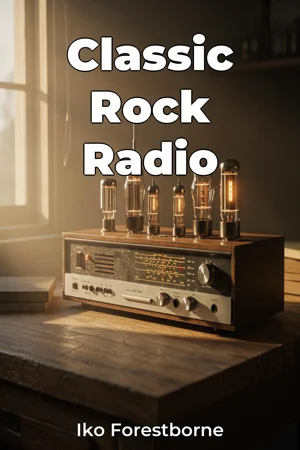
Why does classic rock continue to resonate with listeners across generations, long after its initial heyday? "Classic Rock Radio" delves into the enduring cultural phenomenon of classic rock radio, exploring its pivotal role in shaping musical nostalgia and its persistent appeal to dedicated audiences. This book examines the history, impact, and continued relevance of a radio format that has become a significant force in the music industry and a cultural touchstone for millions. This exploration is important because classic rock radio is more than just a collection of popular songs; it represents a carefully curated selection of music that evokes powerful memories and emotions. Understanding its influence reveals insights into how music shapes identity, builds communities, and preserves cultural heritage. Furthermore, the strategies employed by classic rock radio stations to maintain their relevance in a rapidly changing media landscape offer valuable lessons for anyone interested in media preservation and audience engagement. The book begins by establishing the historical context, tracing the origins of rock and roll and the subsequent fragmentation of the genre into various subcategories. It examines the rise of FM radio and its embrace of album-oriented rock (AOR) in the late 1960s and 1970s, a precursor to the classic rock format. This historical overview provides the foundation for understanding how classic rock radio emerged as a distinct entity in the 1980s, driven by demographic shifts and the aging of the baby boomer generation. The central argument of "Classic Rock Radio" is that the format's success lies in its ability to cultivate and capitalize on nostalgia. Rather than simply replaying old songs, classic rock radio creates a carefully constructed sonic environment that evokes a specific time and place, fostering a sense of connection and shared identity among its listeners. This argument is significant because it challenges conventional notions of nostalgia as a passive or sentimental emotion, instead highlighting its active role in shaping cultural memory and consumer behavior. The book is structured in three major parts. The first section introduces the key concepts, defining classic rock radio, exploring the evolution of the format, and analyzing the demographic and cultural factors that contributed to its success. The second section examines the programming strategies employed by classic rock stations, including music selection, on-air personalities, and advertising techniques. It analyzes how these strategies contribute to the creation of a distinct listening experience and the cultivation of listener loyalty. The third section investigates the ongoing relevance of classic rock radio in the digital age, exploring how the format has adapted to changes in technology and consumer behavior. It examines the role of streaming services, satellite radio, and online communities in shaping the future of classic rock. The evidence presented in this book draws from a variety of sources, including radio industry trade publications, audience research data, interviews with radio programmers and on-air personalities, and listener surveys. It also incorporates insights from musicology, media studies, and cultural studies to provide a comprehensive analysis of the classic rock radio phenomenon. This book connects to other areas of study, most notably music history, media studies, and marketing. By examining the formation and maintenance of musical taste, this book intersects with music history. The analysis of radio broadcasting formats and audience engagement strategies connects to media studies. Finally, the exploration of how classic rock radio cultivates nostalgia and drives consumer behavior connects to marketing. "Classic Rock Radio" stands out by taking a comprehensive approach to understanding the format. The book adopts a tone that is both informative and engaging, making it accessible to a broad audience. It is aimed at anyone interested in music history, media studies, or the cultural impact of radio. This book offers valuable insights for radio professionals, music enthusiasts, and anyone seeking to understand the enduring power of nostalgia and the complex relationship between music, memory, and identity. "Classic Rock Radio" primarily focuses on the American experience of the format, acknowledging that while similar formats exist internationally, the cultural context and historical development vary. While the book touches on related genres, it maintains its focus on classic rock radio as a distinct entity. Ultimately, this book demonstrates how classic rock radio has shaped our understanding and appreciation of a significant era in music history. It provides a framework for understanding how media formats evolve, adapt, and continue to resonate with audiences across generations.
Why does classic rock continue to resonate with listeners across generations, long after its initial heyday? "Classic Rock Radio" delves into the enduring cultural phenomenon of classic rock radio, exploring its pivotal role in shaping musical nostalgia and its persistent appeal to dedicated audiences. This book examines the history, impact, and continued relevance of a radio format that has become a significant force in the music industry and a cultural touchstone for millions. This exploration is important because classic rock radio is more than just a collection of popular songs; it represents a carefully curated selection of music that evokes powerful memories and emotions. Understanding its influence reveals insights into how music shapes identity, builds communities, and preserves cultural heritage. Furthermore, the strategies employed by classic rock radio stations to maintain their relevance in a rapidly changing media landscape offer valuable lessons for anyone interested in media preservation and audience engagement. The book begins by establishing the historical context, tracing the origins of rock and roll and the subsequent fragmentation of the genre into various subcategories. It examines the rise of FM radio and its embrace of album-oriented rock (AOR) in the late 1960s and 1970s, a precursor to the classic rock format. This historical overview provides the foundation for understanding how classic rock radio emerged as a distinct entity in the 1980s, driven by demographic shifts and the aging of the baby boomer generation. The central argument of "Classic Rock Radio" is that the format's success lies in its ability to cultivate and capitalize on nostalgia. Rather than simply replaying old songs, classic rock radio creates a carefully constructed sonic environment that evokes a specific time and place, fostering a sense of connection and shared identity among its listeners. This argument is significant because it challenges conventional notions of nostalgia as a passive or sentimental emotion, instead highlighting its active role in shaping cultural memory and consumer behavior. The book is structured in three major parts. The first section introduces the key concepts, defining classic rock radio, exploring the evolution of the format, and analyzing the demographic and cultural factors that contributed to its success. The second section examines the programming strategies employed by classic rock stations, including music selection, on-air personalities, and advertising techniques. It analyzes how these strategies contribute to the creation of a distinct listening experience and the cultivation of listener loyalty. The third section investigates the ongoing relevance of classic rock radio in the digital age, exploring how the format has adapted to changes in technology and consumer behavior. It examines the role of streaming services, satellite radio, and online communities in shaping the future of classic rock. The evidence presented in this book draws from a variety of sources, including radio industry trade publications, audience research data, interviews with radio programmers and on-air personalities, and listener surveys. It also incorporates insights from musicology, media studies, and cultural studies to provide a comprehensive analysis of the classic rock radio phenomenon. This book connects to other areas of study, most notably music history, media studies, and marketing. By examining the formation and maintenance of musical taste, this book intersects with music history. The analysis of radio broadcasting formats and audience engagement strategies connects to media studies. Finally, the exploration of how classic rock radio cultivates nostalgia and drives consumer behavior connects to marketing. "Classic Rock Radio" stands out by taking a comprehensive approach to understanding the format. The book adopts a tone that is both informative and engaging, making it accessible to a broad audience. It is aimed at anyone interested in music history, media studies, or the cultural impact of radio. This book offers valuable insights for radio professionals, music enthusiasts, and anyone seeking to understand the enduring power of nostalgia and the complex relationship between music, memory, and identity. "Classic Rock Radio" primarily focuses on the American experience of the format, acknowledging that while similar formats exist internationally, the cultural context and historical development vary. While the book touches on related genres, it maintains its focus on classic rock radio as a distinct entity. Ultimately, this book demonstrates how classic rock radio has shaped our understanding and appreciation of a significant era in music history. It provides a framework for understanding how media formats evolve, adapt, and continue to resonate with audiences across generations.
"Classic Rock Radio" explores the enduring popularity of classic rock radio, a format that has shaped musical nostalgia and continues to captivate listeners. The book delves into the format's origins, tracing its roots from the rise of FM radio and album-oriented rock (AOR) to its establishment as a distinct entity in the 1980s. Classic rock radio's success lies in its ability to create a curated sonic environment that evokes powerful memories and a sense of shared identity, highlighting the active role of nostalgia in shaping cultural memory. The book examines the programming strategies employed by classic rock stations, from music selection to on-air personalities, analyzing how these elements cultivate listener loyalty. It further investigates the format's adaptation to the digital age, including the influence of streaming services and online communities. Drawing from radio industry publications, audience research, and cultural studies, "Classic Rock Radio" provides a comprehensive analysis of this cultural phenomenon, demonstrating its lasting impact on music history and its unique way of connecting with audiences across generations. Structured in three parts, the book first introduces key concepts and the evolution of the format. It then examines programming strategies and concludes with an investigation into the ongoing relevance of classic rock radio in the digital age. This approach offers valuable insights into how media formats evolve, adapt, and maintain their resonance.
Book Details
ISBN
9788235241689
Publisher
Publifye AS
Your Licenses
You don't own any licenses for this book
Purchase a license below to unlock this book and download the EPUB.
Purchase License
Select a tier to unlock this book
Need bulk licensing?
Contact us for enterprise agreements.