
About This Book
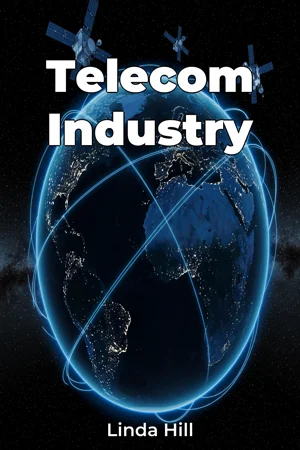
Ever wonder how humanity went from sending messages by horse to instantly connecting with anyone, anywhere in the world? "Telecom Industry: From Landlines to 5G Networks and Beyond" unravels the intricate story of telecommunications, exploring its evolution, technological advancements, and profound impact on global communication. This book navigates the complex landscape of an industry that has reshaped society, commerce, and culture, demystifying the technologies and trends that define our interconnected world. This book will primarily explore three core themes. First, a detailed historical analysis of telecommunications’ progression, from the earliest telegraph systems to the sophisticated 5G networks of today. Second, an exploration of the key technological innovations that have driven this evolution, including breakthroughs in areas such as signal processing, network architecture, and wireless communication. Finally, we will examine the socioeconomic impact of telecommunications, focusing on how these technologies have transformed global business, social interactions, and even political landscapes. These topics are significant because they illuminate the fundamental infrastructure that underpins modern society, offering insights into both its past and potential future. Understanding the evolution of telecommunications requires a basic comprehension of electrical engineering, computer science, and network theory. However, this book elucidates these complex concepts in an accessible manner, providing the necessary background for readers with varying levels of technical expertise. We trace the journey from the initial experiments with electricity and electromagnetism in the 19th century, which paved the way for the invention of the telegraph and telephone, to the digital revolution of the late 20th century, which saw the rise of the internet and mobile communications. The central argument of "Telecom Industry" is that telecommunications has not simply been a story of technological advancement, but a transformative force that has fundamentally altered the way humans interact, conduct business, and understand the world. This argument is vital because it highlights the crucial role telecommunications plays in shaping our present and future, challenging us to consider its implications for society, security, and equality. The book begins with an introduction to the fundamental principles of telecommunications, explaining key concepts such as bandwidth, modulation, and network protocols. It then proceeds chronologically, examining the development of the telegraph, telephone, radio, and television. Subsequent sections delve into the rise of digital communications, including the internet, mobile phones, and satellite communications. Two major points are the convergence of fixed-line and wireless technologies and the impact of network effects on industry competition. The book culminates with an analysis of the current state of the telecommunications industry, focusing on 5G networks, the Internet of Things (IoT), and the challenges and opportunities that lie ahead. Finally, it considers the potential of advanced concepts like 6G, quantum communications, and their implications for a hyper-connected future. To support its arguments, "Telecom Industry" draws upon a wide range of sources, including academic research, industry reports, historical documents, and case studies of specific companies and technologies. It incorporates data from regulatory agencies and industry consortia to provide an evidence-based account of the telecommunications landscape. This book also connects to fields such as economics, sociology, and political science. The economic impact of telecommunications is explored through analyses of market structures, business models, and the role of regulation. Its sociological impact is examined through discussions of social networking, digital divides, and the effects of technology on human relationships. The political implications of telecommunications are addressed through considerations of cybersecurity, privacy, and the role of governments in shaping the industry. "Telecom Industry" offers a unique perspective by combining historical analysis with technical explanations and socioeconomic insights in an easily digestible format. This multidisciplinary approach provides a holistic understanding of the telecommunications industry and its transformative power. Written in a professional yet approachable style, "Telecom Industry" is designed for a broad audience, including students, researchers, industry professionals, and anyone interested in the evolution and impact of telecommunications. It offers valuable insights for those seeking to understand the technological, economic, and social forces shaping our interconnected world. As a work of non-fiction, this book adheres to the principles of accuracy, objectivity, and transparency. It aims to provide a balanced and comprehensive overview of the telecommunications industry, drawing upon reliable sources and presenting information in a clear and unbiased manner. The scope of "Telecom Industry" is broad, encompassing a wide range of technologies, companies, and geographical regions. However, it is not intended to be an exhaustive technical manual or a detailed history of every telecommunications company. Instead, it provides a strategic overview of the key trends and developments that have shaped the industry. The information presented in this book can be applied in a variety of practical ways. It can inform business decisions related to technology investments, policy decisions related to telecommunications regulation, and individual decisions related to technology adoption. Finally, "Telecom Industry" addresses some of the ongoing debates and controversies in the field, such as the digital divide, net neutrality, and the security risks associated with 5G networks. By exploring these issues, the book aims to foster critical thinking and informed dialogue about the future of telecommunications.
Ever wonder how humanity went from sending messages by horse to instantly connecting with anyone, anywhere in the world? "Telecom Industry: From Landlines to 5G Networks and Beyond" unravels the intricate story of telecommunications, exploring its evolution, technological advancements, and profound impact on global communication. This book navigates the complex landscape of an industry that has reshaped society, commerce, and culture, demystifying the technologies and trends that define our interconnected world. This book will primarily explore three core themes. First, a detailed historical analysis of telecommunications’ progression, from the earliest telegraph systems to the sophisticated 5G networks of today. Second, an exploration of the key technological innovations that have driven this evolution, including breakthroughs in areas such as signal processing, network architecture, and wireless communication. Finally, we will examine the socioeconomic impact of telecommunications, focusing on how these technologies have transformed global business, social interactions, and even political landscapes. These topics are significant because they illuminate the fundamental infrastructure that underpins modern society, offering insights into both its past and potential future. Understanding the evolution of telecommunications requires a basic comprehension of electrical engineering, computer science, and network theory. However, this book elucidates these complex concepts in an accessible manner, providing the necessary background for readers with varying levels of technical expertise. We trace the journey from the initial experiments with electricity and electromagnetism in the 19th century, which paved the way for the invention of the telegraph and telephone, to the digital revolution of the late 20th century, which saw the rise of the internet and mobile communications. The central argument of "Telecom Industry" is that telecommunications has not simply been a story of technological advancement, but a transformative force that has fundamentally altered the way humans interact, conduct business, and understand the world. This argument is vital because it highlights the crucial role telecommunications plays in shaping our present and future, challenging us to consider its implications for society, security, and equality. The book begins with an introduction to the fundamental principles of telecommunications, explaining key concepts such as bandwidth, modulation, and network protocols. It then proceeds chronologically, examining the development of the telegraph, telephone, radio, and television. Subsequent sections delve into the rise of digital communications, including the internet, mobile phones, and satellite communications. Two major points are the convergence of fixed-line and wireless technologies and the impact of network effects on industry competition. The book culminates with an analysis of the current state of the telecommunications industry, focusing on 5G networks, the Internet of Things (IoT), and the challenges and opportunities that lie ahead. Finally, it considers the potential of advanced concepts like 6G, quantum communications, and their implications for a hyper-connected future. To support its arguments, "Telecom Industry" draws upon a wide range of sources, including academic research, industry reports, historical documents, and case studies of specific companies and technologies. It incorporates data from regulatory agencies and industry consortia to provide an evidence-based account of the telecommunications landscape. This book also connects to fields such as economics, sociology, and political science. The economic impact of telecommunications is explored through analyses of market structures, business models, and the role of regulation. Its sociological impact is examined through discussions of social networking, digital divides, and the effects of technology on human relationships. The political implications of telecommunications are addressed through considerations of cybersecurity, privacy, and the role of governments in shaping the industry. "Telecom Industry" offers a unique perspective by combining historical analysis with technical explanations and socioeconomic insights in an easily digestible format. This multidisciplinary approach provides a holistic understanding of the telecommunications industry and its transformative power. Written in a professional yet approachable style, "Telecom Industry" is designed for a broad audience, including students, researchers, industry professionals, and anyone interested in the evolution and impact of telecommunications. It offers valuable insights for those seeking to understand the technological, economic, and social forces shaping our interconnected world. As a work of non-fiction, this book adheres to the principles of accuracy, objectivity, and transparency. It aims to provide a balanced and comprehensive overview of the telecommunications industry, drawing upon reliable sources and presenting information in a clear and unbiased manner. The scope of "Telecom Industry" is broad, encompassing a wide range of technologies, companies, and geographical regions. However, it is not intended to be an exhaustive technical manual or a detailed history of every telecommunications company. Instead, it provides a strategic overview of the key trends and developments that have shaped the industry. The information presented in this book can be applied in a variety of practical ways. It can inform business decisions related to technology investments, policy decisions related to telecommunications regulation, and individual decisions related to technology adoption. Finally, "Telecom Industry" addresses some of the ongoing debates and controversies in the field, such as the digital divide, net neutrality, and the security risks associated with 5G networks. By exploring these issues, the book aims to foster critical thinking and informed dialogue about the future of telecommunications.
"Telecom Industry: From Landlines to 5G Networks and Beyond" explores the fascinating history and evolution of telecommunications, detailing how it transformed from simple telegraph systems to today's complex 5G networks and the budding promise of 6G and quantum communications. It highlights the key technological innovations, such as signal processing and network architecture, that have driven this evolution, significantly impacting global communication and reshaping society. From the earliest telegraph to modern mobile communications, this book demystifies the technologies behind our interconnected world. The book approaches this complex topic chronologically, beginning with fundamental principles of telecommunications before progressing through the development of technologies like the telephone, radio, and the internet. It emphasizes telecommunications' role as a transformative force, altering how we interact, conduct business, and perceive the world. Examining the convergence of fixed-line and wireless technologies, the book also studies the impact of network effects on industry competition and considers the challenges and opportunities presented by the Internet of Things (IoT). The book uniquely combines historical analysis with technical explanations and socioeconomic insights, offering a holistic understanding of the telecom industry. By drawing upon diverse sources, including academic research and industry reports, "Telecom Industry" provides an evidence-based account of the telecommunications landscape, making it a valuable resource for students, researchers, and anyone interested in understanding the forces shaping our hyper-connected future.
Book Details
ISBN
9788235241634
Publisher
Publifye AS
Your Licenses
You don't own any licenses for this book
Purchase a license below to unlock this book and download the EPUB.
Purchase License
Select a tier to unlock this book
Need bulk licensing?
Contact us for enterprise agreements.