
About This Book
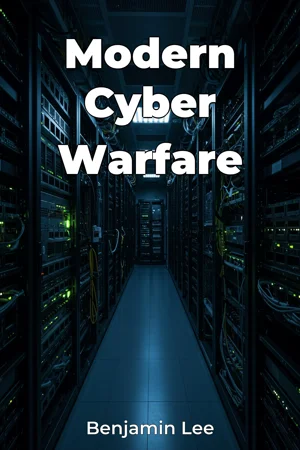
Are we truly prepared for the next battlefield, one where code replaces bullets and nations clash unseen in the digital realm? "Modern Cyber Warfare" delves into the increasingly critical role of cyber attacks in contemporary global conflicts, examining the strategies, actors, and consequences of state-sponsored hacking and digital espionage. This book explores not only the technical aspects of these attacks but also the geopolitical and societal ramifications, offering a comprehensive understanding of this rapidly evolving domain. Two core topics take center stage. First, the book dissects the anatomy of state-sponsored cyber attacks, analyzing the motivations, capabilities, and tactics employed by nation-states in their pursuit of strategic advantage. Second, it investigates the multifaceted nature of digital espionage, exposing how governments and organizations leverage cyber tools to gather intelligence, steal intellectual property, and manipulate information landscapes. These topics are paramount because they redefine the traditional understanding of warfare and national security, demanding a proactive and informed approach to digital defense. To fully grasp the complexities of modern cyber warfare, some historical and technical context is necessary. The book traces the evolution of cyber conflict from its nascent stages to the sophisticated operations witnessed today, highlighting key events and technological advancements that have shaped the current threat landscape. While a deep technical background isn't essential for readers, a basic familiarity with internet technologies and cybersecurity principles will enhance comprehension. The central argument of "Modern Cyber Warfare" posits that cyber attacks have become an integral component of modern statecraft, serving as a tool for coercion, espionage, and even direct military action. Understanding this reality is vital for policymakers, security professionals, and informed citizens who seek to navigate the challenges and opportunities of the digital age. The book unfolds in a structured manner. It begins by introducing core concepts such as cyber weapons, attack vectors, and attribution challenges. The development of these ideas proceeds through several key chapters. One section focuses on case studies of significant cyber attacks, meticulously analyzing the technical details and strategic implications of events such as NotPetya and the SolarWinds hack. Another key section examines the legal and ethical frameworks governing cyber warfare, exploring the challenges of applying international law to this novel domain. Finally, the book culminates by assessing the future of cyber conflict, considering emerging technologies such as artificial intelligence and quantum computing, and offering recommendations for building more resilient and secure digital infrastructures.. The analysis presented in "Modern Cyber Warfare" is grounded in extensive research, drawing upon government reports, industry analysis, academic studies, and firsthand accounts from cybersecurity experts. The book incorporates data from threat intelligence firms and incident response teams to provide a comprehensive and evidence-based assessment of the cyber threat landscape. "Modern Cyber Warfare" also connects to fields such as international relations, political science, and law. The book examines how cyber attacks influence diplomatic relations, shape political discourse, and challenge existing legal norms. These interdisciplinary connections enrich the analysis and provide a more holistic understanding of the subject matter. A unique aspect of this book is its focus on the human element of cyber warfare. While technical details are important, the book also explores the psychological impact of cyber attacks, the challenges of recruiting and retaining skilled cybersecurity professionals, and the ethical dilemmas faced by those who operate in the digital shadows. Written in a clear and accessible style, "Modern Cyber Warfare" is targeted toward policymakers, security professionals, students of international relations, and anyone seeking to understand the evolving nature of modern conflict. The book provides concrete examples, real-world case studies, and actionable recommendations, making it a valuable resource for those who seek to protect themselves and their organizations from cyber threats. As a work of current events and technology, "Modern Cyber Warfare" prioritizes accuracy, objectivity, and relevance. It adheres to the conventions of non-fiction writing, providing verifiable sources and presenting balanced perspectives on complex issues. While the book aims to provide a comprehensive overview of modern cyber warfare, its scope is intentionally limited to state-sponsored attacks and digital espionage. It does not delve into the realm of cybercrime or hacktivism, focusing instead on the geopolitical dimensions of cyber conflict. The information presented has real-world applications for readers, including improving their understanding of cyber threats, enhancing their personal and organizational security practices, and informing their engagement with policymakers on cybersecurity issues. Finally, "Modern Cyber Warfare" addresses ongoing debates within the cybersecurity community, such as the proper role of offensive cyber operations, the challenges of attribution, and the need for international cooperation in cyberspace. By exploring these controversies, the book encourages critical thinking and informed discussion about the future of cyber policy.
Are we truly prepared for the next battlefield, one where code replaces bullets and nations clash unseen in the digital realm? "Modern Cyber Warfare" delves into the increasingly critical role of cyber attacks in contemporary global conflicts, examining the strategies, actors, and consequences of state-sponsored hacking and digital espionage. This book explores not only the technical aspects of these attacks but also the geopolitical and societal ramifications, offering a comprehensive understanding of this rapidly evolving domain. Two core topics take center stage. First, the book dissects the anatomy of state-sponsored cyber attacks, analyzing the motivations, capabilities, and tactics employed by nation-states in their pursuit of strategic advantage. Second, it investigates the multifaceted nature of digital espionage, exposing how governments and organizations leverage cyber tools to gather intelligence, steal intellectual property, and manipulate information landscapes. These topics are paramount because they redefine the traditional understanding of warfare and national security, demanding a proactive and informed approach to digital defense. To fully grasp the complexities of modern cyber warfare, some historical and technical context is necessary. The book traces the evolution of cyber conflict from its nascent stages to the sophisticated operations witnessed today, highlighting key events and technological advancements that have shaped the current threat landscape. While a deep technical background isn't essential for readers, a basic familiarity with internet technologies and cybersecurity principles will enhance comprehension. The central argument of "Modern Cyber Warfare" posits that cyber attacks have become an integral component of modern statecraft, serving as a tool for coercion, espionage, and even direct military action. Understanding this reality is vital for policymakers, security professionals, and informed citizens who seek to navigate the challenges and opportunities of the digital age. The book unfolds in a structured manner. It begins by introducing core concepts such as cyber weapons, attack vectors, and attribution challenges. The development of these ideas proceeds through several key chapters. One section focuses on case studies of significant cyber attacks, meticulously analyzing the technical details and strategic implications of events such as NotPetya and the SolarWinds hack. Another key section examines the legal and ethical frameworks governing cyber warfare, exploring the challenges of applying international law to this novel domain. Finally, the book culminates by assessing the future of cyber conflict, considering emerging technologies such as artificial intelligence and quantum computing, and offering recommendations for building more resilient and secure digital infrastructures.. The analysis presented in "Modern Cyber Warfare" is grounded in extensive research, drawing upon government reports, industry analysis, academic studies, and firsthand accounts from cybersecurity experts. The book incorporates data from threat intelligence firms and incident response teams to provide a comprehensive and evidence-based assessment of the cyber threat landscape. "Modern Cyber Warfare" also connects to fields such as international relations, political science, and law. The book examines how cyber attacks influence diplomatic relations, shape political discourse, and challenge existing legal norms. These interdisciplinary connections enrich the analysis and provide a more holistic understanding of the subject matter. A unique aspect of this book is its focus on the human element of cyber warfare. While technical details are important, the book also explores the psychological impact of cyber attacks, the challenges of recruiting and retaining skilled cybersecurity professionals, and the ethical dilemmas faced by those who operate in the digital shadows. Written in a clear and accessible style, "Modern Cyber Warfare" is targeted toward policymakers, security professionals, students of international relations, and anyone seeking to understand the evolving nature of modern conflict. The book provides concrete examples, real-world case studies, and actionable recommendations, making it a valuable resource for those who seek to protect themselves and their organizations from cyber threats. As a work of current events and technology, "Modern Cyber Warfare" prioritizes accuracy, objectivity, and relevance. It adheres to the conventions of non-fiction writing, providing verifiable sources and presenting balanced perspectives on complex issues. While the book aims to provide a comprehensive overview of modern cyber warfare, its scope is intentionally limited to state-sponsored attacks and digital espionage. It does not delve into the realm of cybercrime or hacktivism, focusing instead on the geopolitical dimensions of cyber conflict. The information presented has real-world applications for readers, including improving their understanding of cyber threats, enhancing their personal and organizational security practices, and informing their engagement with policymakers on cybersecurity issues. Finally, "Modern Cyber Warfare" addresses ongoing debates within the cybersecurity community, such as the proper role of offensive cyber operations, the challenges of attribution, and the need for international cooperation in cyberspace. By exploring these controversies, the book encourages critical thinking and informed discussion about the future of cyber policy.
"Modern Cyber Warfare" examines the escalating role of cyber attacks in today's global conflicts, focusing on state-sponsored hacking and digital espionage. It reveals how nations leverage cyber tools for strategic advantage, espionage, and manipulation, highlighting that these attacks are now integral to statecraft. The book dissects the motivations and tactics behind these actions, noting how they redefine traditional warfare and national security paradigms. Did you know that cyber attacks can serve as tools for coercion, espionage, and even direct military action? Understanding attack vectors and the challenges of attribution is crucial in this new era. The book begins by introducing core concepts and progresses by analyzing real-world case studies like NotPetya and the SolarWinds hack. It also delves into the complex legal and ethical frameworks governing cyber warfare. What sets this book apart is its blend of technical analysis with geopolitical and societal ramifications, offering a holistic view of the cyber threat landscape. It further explores the human element, considering the psychological impacts and ethical dilemmas within the field. Concluding with an assessment of emerging technologies like AI and quantum computing, the book provides recommendations for building resilient digital infrastructures. It uniquely connects cyber warfare to international relations, political science, and law. This comprehensive approach makes the book a valuable resource for policymakers, security professionals, and anyone seeking to navigate the complexities of digital defense and understand the future of cyber policy.
Book Details
ISBN
9788235241528
Publisher
Publifye AS
Your Licenses
You don't own any licenses for this book
Purchase a license below to unlock this book and download the EPUB.
Purchase License
Select a tier to unlock this book
Need bulk licensing?
Contact us for enterprise agreements.