
About This Book
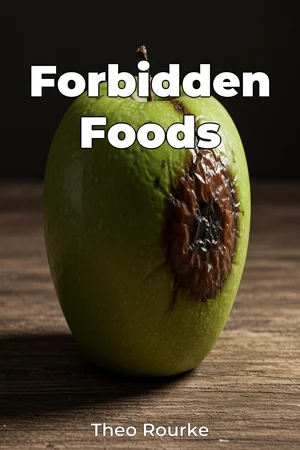
Have you ever wondered why certain foods, once staples in some cultures, are now outlawed or restricted? "Forbidden Foods" delves into the complex web of ethics, safety regulations, and political maneuvering that dictates what we can and cannot eat. This book is vital because it exposes the powerful forces shaping our food systems, prompting readers to reconsider their assumptions about food safety, cultural practices, and the role of government. The book explores three central themes: the ethical considerations surrounding food production, the impact of health and safety regulations on food availability, and the political motivations behind food bans and restrictions. Understanding these themes is crucial for anyone interested in food policy, culinary history, and the future of food production and consumption. To fully appreciate the subject matter, we first establish a historical and social context around food regulations, from ancient taboos to modern food safety laws. It is important to understand how cultural beliefs, scientific discoveries, and political ideologies have shaped our perceptions of what is edible and what is not. The central argument of "Forbidden Foods" is that food bans and restrictions are rarely based solely on objective scientific evidence or universal ethical principles. Instead, they are often influenced by a combination of cultural biases, economic interests, and power dynamics that can disproportionately affect certain communities and undermine food sovereignty. The book begins by introducing the fundamental concepts of food ethics, risk assessment, and political influence. It then unfolds in three major sections. The first examines foods banned due to ethical concerns, such as foie gras produced through controversial farming methods or certain seafood harvested using unsustainable practices. The second major point analyzes foods restricted due to safety regulations, like raw milk or genetically modified organisms (GMOs), exploring the scientific evidence and public debates surrounding these products. The third area investigates foods banned for political reasons, such as specific agricultural products embargoed during trade disputes or foods associated with particular cultural or political identities. "Forbidden Foods" culminates in a discussion of the implications of these bans on food diversity, cultural heritage, and global trade. It also proposes strategies for creating more transparent, equitable, and scientifically informed food policies. The book utilizes a wide range of evidence, including historical documents, scientific studies, legal records, and personal interviews with food producers, regulators, and consumers. Unique data sources include unpublished reports from government agencies and archival materials from food industry associations. "Forbidden Foods" connects to several disciplines, including anthropology, sociology, and economics. Anthropological insights shed light on the cultural significance of food taboos. Sociological perspectives help us understand how food regulations impact different social groups. Economic analyses reveal the financial consequences of food bans and restrictions. These interdisciplinary connections enrich the book's argument by providing a more holistic view of the complex factors shaping our food choices. This book offers a unique perspective by analyzing food bans not merely as isolated incidents but as manifestations of broader power structures and cultural biases. This multifaceted approach challenges conventional wisdom and encourages readers to critically evaluate the information they receive about food safety and ethics. The writing style blends academic rigor with accessible prose, making it engaging to general readers and valuable to scholars. The target audience includes food enthusiasts, policymakers, journalists, and anyone interested in the social, ethical, and political dimensions of food. This book is valuable to them because it provides a nuanced understanding of the forces shaping our food systems and empowers them to make more informed food choices. As a work of non-fiction within the genres of politics and food writing, "Forbidden Foods" adheres to principles of accuracy, objectivity, and thorough research. It also incorporates narrative elements to make complex topics more engaging and relatable. The scope of the book is global, examining food bans and restrictions from various countries and historical periods. However, certain regions and food categories receive more attention due to the availability of data and the significance of the issues. The information in "Forbidden Foods" can be applied practically by readers to advocate for more transparent and equitable food policies, support sustainable food production practices, and make more informed food choices. The book addresses ongoing debates surrounding food safety regulations, GMO labeling, and the role of government in regulating personal food choices. By presenting diverse perspectives and analyzing the evidence, "Forbidden Foods" aims to foster a more informed and constructive dialogue about these important issues.
Have you ever wondered why certain foods, once staples in some cultures, are now outlawed or restricted? "Forbidden Foods" delves into the complex web of ethics, safety regulations, and political maneuvering that dictates what we can and cannot eat. This book is vital because it exposes the powerful forces shaping our food systems, prompting readers to reconsider their assumptions about food safety, cultural practices, and the role of government. The book explores three central themes: the ethical considerations surrounding food production, the impact of health and safety regulations on food availability, and the political motivations behind food bans and restrictions. Understanding these themes is crucial for anyone interested in food policy, culinary history, and the future of food production and consumption. To fully appreciate the subject matter, we first establish a historical and social context around food regulations, from ancient taboos to modern food safety laws. It is important to understand how cultural beliefs, scientific discoveries, and political ideologies have shaped our perceptions of what is edible and what is not. The central argument of "Forbidden Foods" is that food bans and restrictions are rarely based solely on objective scientific evidence or universal ethical principles. Instead, they are often influenced by a combination of cultural biases, economic interests, and power dynamics that can disproportionately affect certain communities and undermine food sovereignty. The book begins by introducing the fundamental concepts of food ethics, risk assessment, and political influence. It then unfolds in three major sections. The first examines foods banned due to ethical concerns, such as foie gras produced through controversial farming methods or certain seafood harvested using unsustainable practices. The second major point analyzes foods restricted due to safety regulations, like raw milk or genetically modified organisms (GMOs), exploring the scientific evidence and public debates surrounding these products. The third area investigates foods banned for political reasons, such as specific agricultural products embargoed during trade disputes or foods associated with particular cultural or political identities. "Forbidden Foods" culminates in a discussion of the implications of these bans on food diversity, cultural heritage, and global trade. It also proposes strategies for creating more transparent, equitable, and scientifically informed food policies. The book utilizes a wide range of evidence, including historical documents, scientific studies, legal records, and personal interviews with food producers, regulators, and consumers. Unique data sources include unpublished reports from government agencies and archival materials from food industry associations. "Forbidden Foods" connects to several disciplines, including anthropology, sociology, and economics. Anthropological insights shed light on the cultural significance of food taboos. Sociological perspectives help us understand how food regulations impact different social groups. Economic analyses reveal the financial consequences of food bans and restrictions. These interdisciplinary connections enrich the book's argument by providing a more holistic view of the complex factors shaping our food choices. This book offers a unique perspective by analyzing food bans not merely as isolated incidents but as manifestations of broader power structures and cultural biases. This multifaceted approach challenges conventional wisdom and encourages readers to critically evaluate the information they receive about food safety and ethics. The writing style blends academic rigor with accessible prose, making it engaging to general readers and valuable to scholars. The target audience includes food enthusiasts, policymakers, journalists, and anyone interested in the social, ethical, and political dimensions of food. This book is valuable to them because it provides a nuanced understanding of the forces shaping our food systems and empowers them to make more informed food choices. As a work of non-fiction within the genres of politics and food writing, "Forbidden Foods" adheres to principles of accuracy, objectivity, and thorough research. It also incorporates narrative elements to make complex topics more engaging and relatable. The scope of the book is global, examining food bans and restrictions from various countries and historical periods. However, certain regions and food categories receive more attention due to the availability of data and the significance of the issues. The information in "Forbidden Foods" can be applied practically by readers to advocate for more transparent and equitable food policies, support sustainable food production practices, and make more informed food choices. The book addresses ongoing debates surrounding food safety regulations, GMO labeling, and the role of government in regulating personal food choices. By presenting diverse perspectives and analyzing the evidence, "Forbidden Foods" aims to foster a more informed and constructive dialogue about these important issues.
"Forbidden Foods" explores the intriguing and often controversial world of food bans and restrictions, revealing how ethics, safety regulations, and political influence shape what we eat. The book uncovers the complex forces at play in our food systems, prompting readers to question common assumptions. For instance, many bans aren't solely based on science but are influenced by cultural biases and economic interests. The book examines ethical concerns, health and safety regulations, and political motivations behind food restrictions. It begins by establishing a historical context and then delves into specific examples, like foie gras, raw milk, and embargoed agricultural products. "Forbidden Foods" uses historical documents, scientific studies, and interviews to support its arguments, providing a multifaceted analysis of food policies. The book unfolds across three major sections, each exploring foods banned for different reasons: ethical considerations, safety regulations, and political motivations. It concludes by discussing the implications of these bans on food diversity and global trade, proposing strategies for more transparent food policies. This approach challenges conventional wisdom, encouraging readers to critically evaluate information about food safety and ethics.
Book Details
ISBN
9788235241078
Publisher
Publifye AS
Your Licenses
You don't own any licenses for this book
Purchase a license below to unlock this book and download the EPUB.
Purchase License
Select a tier to unlock this book
Need bulk licensing?
Contact us for enterprise agreements.