
About This Book
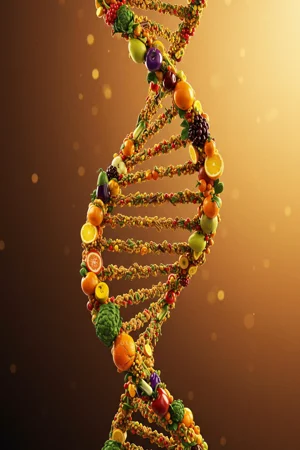
Are you what you eat, or are you what your genes allow you to process? This book, *Nutritional Genomics*, delves into the burgeoning field exploring the intricate relationship between our genes, the foods we consume, and our individual health outcomes. We will explore how your unique genetic makeup influences your response to different diets and nutrients, and how this knowledge can pave the way for personalized nutrition strategies. The book’s core lies in dissecting two fundamental concepts: nutrigenomics and nutrigenetics. Nutrigenomics examines how bioactive food compounds affect gene expression. In other words, how what you eat changes how your genes behave. Nutrigenetics, on the other hand, studies how genetic variations influence your body’s response to specific nutrients. Grasping these concepts is essential for understanding why the same dietary advice may yield drastically different results in different individuals. The rise of chronic diseases, where diet plays a significant etiological role, underscores the importance of understanding this complex interplay. To provide context, we will trace the historical development of nutrition science, from its early focus on preventing deficiency diseases to its current emphasis on optimizing health and preventing chronic conditions. We will also explore the advancements in genomics and bioinformatics that have made nutritional genomics research possible. Readers should have a basic understanding of biology, particularly genetics and molecular biology, to fully appreciate the intricacies discussed. The central argument of *Nutritional Genomics* is that a one-size-fits-all approach to nutrition is inadequate. Genetic individuality significantly impacts nutrient metabolism and utilization, influencing the risk for various diseases. Tailoring dietary recommendations based on genetic profiles has the potential to optimize health outcomes and prevent or manage chronic conditions more effectively than generalized guidelines. The book is structured to provide a comprehensive understanding of this field. Initially, it will introduce the basic principles of genetics, genomics, and nutrition, establishing a solid foundation for subsequent discussions. The book progresses by exploring key areas, such as the influence of genes on macronutrient metabolism (fats, carbohydrates, proteins), micronutrient utilization (vitamins and minerals), and susceptibility to diet-related diseases like obesity, type 2 diabetes, and cardiovascular disease. Each of these sections will critically evaluate the available research findings and highlight areas where further investigation is needed. Finally, the book culminates in a discussion of the ethical, legal, and social implications of nutritional genomics, as well as its potential applications in personalized nutrition and public health. The arguments presented in this book are grounded in rigorous scientific evidence, drawing from a wide range of sources including peer-reviewed research articles, meta-analyses, and clinical trials. The book will critically analyze the methodologies used in these studies, addressing limitations and potential biases. It will also showcase unique data sources, such as genome-wide association studies (GWAS) and metabolomic analyses, to illustrate the power of these approaches in uncovering gene-diet interactions. The field of nutritional genomics inherently connects to several disciplines, including genetics, molecular biology, epidemiology, and data science. The genetic basis of nutritional responses requires insights from genetics and molecular biology. Epidemiological studies provide population-level data on gene-diet-disease associations. The processing and analysis of large-scale genomic and nutritional datasets rely heavily on data science techniques. By integrating these perspectives, *Nutritional Genomics* will provide a holistic view of the field. This book distinguishes itself by providing a balanced and critical assessment of the current state of nutritional genomics. It emphasizes the potential benefits of personalized nutrition while acknowledging the limitations and challenges associated with translating research findings into practical applications. The tone is academic yet accessible, aiming to inform and engage a broad audience. The target audience includes students and researchers in nutrition, genetics, and related fields, as well as healthcare professionals interested in incorporating personalized nutrition into their practice. Individuals seeking to understand how their genes influence their nutritional needs and health outcomes will also find this book valuable. This book adheres to the genre-specific expectations of scientific non-fiction, presenting information in a clear, objective, and evidence-based manner. The scope of *Nutritional Genomics* is intentionally broad, covering a wide range of gene-nutrient interactions and their implications for health. However, it does not delve into the specifics of gene therapy or genetic engineering, focusing instead on how existing genetic variations influence dietary responses. The information presented in the book can be applied in several ways. Healthcare professionals can use it to inform dietary recommendations and develop personalized nutrition plans for their patients. Researchers can use it to identify new targets for intervention and develop more effective strategies for preventing and managing diet-related diseases. Individuals can use it to gain a better understanding of their own nutritional needs and make informed dietary choices. Nutritional genomics is not without its controversies. There are ongoing debates about the validity and reliability of genetic testing for nutritional purposes, as well as the ethical implications of using genetic information to personalize dietary recommendations. The book will address these controversies, presenting different perspectives and encouraging critical thinking.
Are you what you eat, or are you what your genes allow you to process? This book, *Nutritional Genomics*, delves into the burgeoning field exploring the intricate relationship between our genes, the foods we consume, and our individual health outcomes. We will explore how your unique genetic makeup influences your response to different diets and nutrients, and how this knowledge can pave the way for personalized nutrition strategies. The book’s core lies in dissecting two fundamental concepts: nutrigenomics and nutrigenetics. Nutrigenomics examines how bioactive food compounds affect gene expression. In other words, how what you eat changes how your genes behave. Nutrigenetics, on the other hand, studies how genetic variations influence your body’s response to specific nutrients. Grasping these concepts is essential for understanding why the same dietary advice may yield drastically different results in different individuals. The rise of chronic diseases, where diet plays a significant etiological role, underscores the importance of understanding this complex interplay. To provide context, we will trace the historical development of nutrition science, from its early focus on preventing deficiency diseases to its current emphasis on optimizing health and preventing chronic conditions. We will also explore the advancements in genomics and bioinformatics that have made nutritional genomics research possible. Readers should have a basic understanding of biology, particularly genetics and molecular biology, to fully appreciate the intricacies discussed. The central argument of *Nutritional Genomics* is that a one-size-fits-all approach to nutrition is inadequate. Genetic individuality significantly impacts nutrient metabolism and utilization, influencing the risk for various diseases. Tailoring dietary recommendations based on genetic profiles has the potential to optimize health outcomes and prevent or manage chronic conditions more effectively than generalized guidelines. The book is structured to provide a comprehensive understanding of this field. Initially, it will introduce the basic principles of genetics, genomics, and nutrition, establishing a solid foundation for subsequent discussions. The book progresses by exploring key areas, such as the influence of genes on macronutrient metabolism (fats, carbohydrates, proteins), micronutrient utilization (vitamins and minerals), and susceptibility to diet-related diseases like obesity, type 2 diabetes, and cardiovascular disease. Each of these sections will critically evaluate the available research findings and highlight areas where further investigation is needed. Finally, the book culminates in a discussion of the ethical, legal, and social implications of nutritional genomics, as well as its potential applications in personalized nutrition and public health. The arguments presented in this book are grounded in rigorous scientific evidence, drawing from a wide range of sources including peer-reviewed research articles, meta-analyses, and clinical trials. The book will critically analyze the methodologies used in these studies, addressing limitations and potential biases. It will also showcase unique data sources, such as genome-wide association studies (GWAS) and metabolomic analyses, to illustrate the power of these approaches in uncovering gene-diet interactions. The field of nutritional genomics inherently connects to several disciplines, including genetics, molecular biology, epidemiology, and data science. The genetic basis of nutritional responses requires insights from genetics and molecular biology. Epidemiological studies provide population-level data on gene-diet-disease associations. The processing and analysis of large-scale genomic and nutritional datasets rely heavily on data science techniques. By integrating these perspectives, *Nutritional Genomics* will provide a holistic view of the field. This book distinguishes itself by providing a balanced and critical assessment of the current state of nutritional genomics. It emphasizes the potential benefits of personalized nutrition while acknowledging the limitations and challenges associated with translating research findings into practical applications. The tone is academic yet accessible, aiming to inform and engage a broad audience. The target audience includes students and researchers in nutrition, genetics, and related fields, as well as healthcare professionals interested in incorporating personalized nutrition into their practice. Individuals seeking to understand how their genes influence their nutritional needs and health outcomes will also find this book valuable. This book adheres to the genre-specific expectations of scientific non-fiction, presenting information in a clear, objective, and evidence-based manner. The scope of *Nutritional Genomics* is intentionally broad, covering a wide range of gene-nutrient interactions and their implications for health. However, it does not delve into the specifics of gene therapy or genetic engineering, focusing instead on how existing genetic variations influence dietary responses. The information presented in the book can be applied in several ways. Healthcare professionals can use it to inform dietary recommendations and develop personalized nutrition plans for their patients. Researchers can use it to identify new targets for intervention and develop more effective strategies for preventing and managing diet-related diseases. Individuals can use it to gain a better understanding of their own nutritional needs and make informed dietary choices. Nutritional genomics is not without its controversies. There are ongoing debates about the validity and reliability of genetic testing for nutritional purposes, as well as the ethical implications of using genetic information to personalize dietary recommendations. The book will address these controversies, presenting different perspectives and encouraging critical thinking.
"Nutritional Genomics" explores the dynamic field examining how our genes interact with the food we eat, influencing individual health outcomes. It focuses on two core concepts: nutrigenomics, how food affects gene expression, and nutrigenetics, how genetic variations impact responses to nutrients. Understanding these interactions is crucial because the same dietary advice can yield different results based on individual genetic makeups. The book highlights the importance of personalized nutrition in combating the rise of diet-related chronic diseases. The book traces the evolution of nutrition science and genomics, emphasizing the shift from preventing deficiencies to optimizing health through personalized approaches. It explains complex concepts like genome-wide association studies (GWAS) and their role in uncovering gene-diet interactions. Progressing from basic principles of genetics and nutrition, the book explores the influence of genes on macronutrient and micronutrient metabolism, and susceptibility to diet-related diseases. This book stands out by providing a balanced assessment of nutritional genomics, acknowledging both its potential benefits and limitations. It critically evaluates research methodologies and showcases unique data sources, offering a comprehensive view of this interdisciplinary field. Ultimately, it emphasizes that a one-size-fits-all approach to nutrition is inadequate and advocates for tailoring dietary recommendations based on genetic profiles to optimize health.
Book Details
ISBN
9788235241009
Publisher
Publifye AS
Your Licenses
You don't own any licenses for this book
Purchase a license below to unlock this book and download the EPUB.
Purchase License
Select a tier to unlock this book
Need bulk licensing?
Contact us for enterprise agreements.