
About This Book
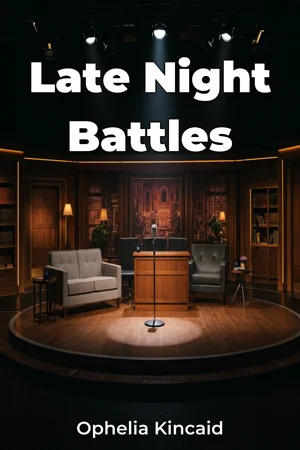
Why do we laugh at some jokes but cringe at others? And how have the comedic monologues of late-night talk show hosts shaped our understanding of politics and culture? "Late Night Battles" delves into the world of late-night television to explore the intricate dynamics of competition, the foundations of comedic dominance, and the influence of humor on political and social discourse. This book is important because late-night shows are not merely entertainment; they are influential platforms where humor intersects with current events, shaping public opinion and reflecting societal values. This book examines the historical evolution of late-night talk shows, tracing their origins from vaudeville and radio to the digital age. It dissects the cutthroat competition among hosts, networks, and writers, revealing the strategies employed to capture and maintain viewership. We investigate the key elements that contribute to a host's success, including comedic timing, audience connection, and the ability to navigate controversial topics with both wit and sensitivity. The book will explore how these hosts utilize humor to offer commentary on political events and social movements. "Late Night Battles" argues that the most successful late-night hosts are those who can simultaneously entertain, inform, and connect with their audience on a personal level. Their humor often serves as a barometer of public sentiment, influencing the national conversation and sometimes even impacting political outcomes. The book is organized into three main sections. The first section provides a historical overview of late-night television, examining the pioneers of the genre and their innovative contributions. The second section analyzes the competitive landscape, profiling successful hosts and dissecting their comedic styles, interviewing strategies, and behind-the-scenes dynamics. The final section focuses on the socio-political impact of late-night humor, examining how hosts address sensitive topics, challenge authority, and contribute to public discourse. It will culminate in an analysis of the future of late-night television in an increasingly fragmented media landscape. Drawing on a mix of archival research, audience analysis, and interviews with industry professionals, "Late Night Battles" uses quantitative data, such as ratings and viewership demographics, along with qualitative analysis of show content and cultural impact. This book bridges the gap between media studies, political science, and sociology, offering valuable insights into the intersection of entertainment, politics, and society. A unique aspect of "Late Night Battles" is its focus on the collaborative nature of late-night comedy, acknowledging the crucial roles of writers, producers, and other behind-the-scenes personnel. Written in a clear and engaging style, "Late Night Battles" is intended for media enthusiasts, students of journalism and political science, and anyone interested in the cultural impact of entertainment. This book will appeal to those who follow the media and are eager to understand the power of humor in shaping public opinion. The scope of "Late Night Battles" is limited to American late-night talk shows, offering an in-depth exploration of this specific cultural phenomenon. Readers can apply the insights from "Late Night Battles" to better understand the persuasive power of humor and its role in shaping our perceptions of the world. The book also addresses ongoing debates about the role of comedians in political discourse and the ethics of using humor to address sensitive topics. "Late Night Battles" aims to provide a comprehensive and insightful analysis of late-night television, its impact on society, and its significance in the ever-evolving media landscape.
Why do we laugh at some jokes but cringe at others? And how have the comedic monologues of late-night talk show hosts shaped our understanding of politics and culture? "Late Night Battles" delves into the world of late-night television to explore the intricate dynamics of competition, the foundations of comedic dominance, and the influence of humor on political and social discourse. This book is important because late-night shows are not merely entertainment; they are influential platforms where humor intersects with current events, shaping public opinion and reflecting societal values. This book examines the historical evolution of late-night talk shows, tracing their origins from vaudeville and radio to the digital age. It dissects the cutthroat competition among hosts, networks, and writers, revealing the strategies employed to capture and maintain viewership. We investigate the key elements that contribute to a host's success, including comedic timing, audience connection, and the ability to navigate controversial topics with both wit and sensitivity. The book will explore how these hosts utilize humor to offer commentary on political events and social movements. "Late Night Battles" argues that the most successful late-night hosts are those who can simultaneously entertain, inform, and connect with their audience on a personal level. Their humor often serves as a barometer of public sentiment, influencing the national conversation and sometimes even impacting political outcomes. The book is organized into three main sections. The first section provides a historical overview of late-night television, examining the pioneers of the genre and their innovative contributions. The second section analyzes the competitive landscape, profiling successful hosts and dissecting their comedic styles, interviewing strategies, and behind-the-scenes dynamics. The final section focuses on the socio-political impact of late-night humor, examining how hosts address sensitive topics, challenge authority, and contribute to public discourse. It will culminate in an analysis of the future of late-night television in an increasingly fragmented media landscape. Drawing on a mix of archival research, audience analysis, and interviews with industry professionals, "Late Night Battles" uses quantitative data, such as ratings and viewership demographics, along with qualitative analysis of show content and cultural impact. This book bridges the gap between media studies, political science, and sociology, offering valuable insights into the intersection of entertainment, politics, and society. A unique aspect of "Late Night Battles" is its focus on the collaborative nature of late-night comedy, acknowledging the crucial roles of writers, producers, and other behind-the-scenes personnel. Written in a clear and engaging style, "Late Night Battles" is intended for media enthusiasts, students of journalism and political science, and anyone interested in the cultural impact of entertainment. This book will appeal to those who follow the media and are eager to understand the power of humor in shaping public opinion. The scope of "Late Night Battles" is limited to American late-night talk shows, offering an in-depth exploration of this specific cultural phenomenon. Readers can apply the insights from "Late Night Battles" to better understand the persuasive power of humor and its role in shaping our perceptions of the world. The book also addresses ongoing debates about the role of comedians in political discourse and the ethics of using humor to address sensitive topics. "Late Night Battles" aims to provide a comprehensive and insightful analysis of late-night television, its impact on society, and its significance in the ever-evolving media landscape.
"Late Night Battles" explores the dynamic world of late-night television, revealing how comedy and politics intertwine to shape public opinion. Far from simple entertainment, these shows serve as influential platforms where humor reflects and impacts societal values and political discourse. The book examines the historical evolution of late-night, dissecting the intense competition among hosts and networks while highlighting the strategies for comedic dominance. It reveals how successful hosts balance entertainment with insightful commentary, connecting with audiences on a personal level. The book is structured to provide a comprehensive view, beginning with a historical overview of the genre's pioneers. It then analyzes the competitive landscape, profiling successful hosts and their comedic styles. The final section focuses on the socio-political impact of late-night humor, examining how hosts address sensitive topics and challenge authority. Through a mix of archival research, audience analysis, and industry interviews, "Late Night Battles" offers insights into the intersection of entertainment, politics, and society. The book highlights the collaborative nature of late-night comedy, emphasizing the roles of writers and producers, and examines how humor influences national conversations. This book uniquely bridges media studies, political science, and sociology, offering valuable insights into the power of humor in shaping our perceptions. It delves into why certain jokes resonate while others fail, and it addresses the ethical considerations of using humor to tackle sensitive subjects. The book's exploration positions late-night talk shows as barometers of public sentiment, sometimes even influencing political outcomes.
Book Details
ISBN
9788235240750
Publisher
Publifye AS
Your Licenses
You don't own any licenses for this book
Purchase a license below to unlock this book and download the EPUB.
Purchase License
Select a tier to unlock this book
Need bulk licensing?
Contact us for enterprise agreements.