
About This Book
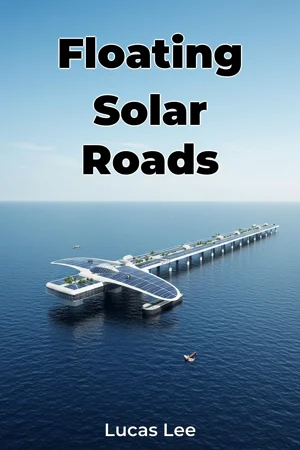
Imagine a world where our roads not only facilitate transportation but also generate clean, sustainable energy. "Floating Solar Roads" delves into the ambitious concept of integrating photovoltaic technology directly into road surfaces, specifically exploring the innovative approach of deploying these solar roads on floating platforms. This book examines the potential of this dual-purpose infrastructure to revolutionize both energy production and transportation systems, addressing critical questions about sustainability, cost-effectiveness, and environmental impact. We begin by establishing the context for this exploration, examining the growing global demand for renewable energy sources and the limitations of traditional solar farms and fossil fuel dependence. Readers will gain an understanding of basic photovoltaic principles, materials science relevant to road construction, and the engineering challenges of creating durable, weather-resistant solar road surfaces. The central argument of "Floating Solar Roads" is that while significant challenges exist, the potential benefits of combining solar energy generation with transportation infrastructure, especially through floating installations, warrant serious investigation and continued research. This is crucial in the face of increasing urbanization, land scarcity, and the urgent need to decarbonize our energy sector. The book is structured to provide a comprehensive understanding of the subject. We begin by introducing the core concepts of solar road technology, outlining the different types of photovoltaic cells and road construction materials that could be used. The central section develops the key technical and economic aspects, including the design and engineering considerations for floating solar road platforms, energy storage solutions, grid integration strategies, and detailed cost-benefit analyses compared to traditional road infrastructure and other renewable energy projects. A dedicated chapter explores the environmental impact, assessing the ecological effects of floating structures on aquatic ecosystems, analyzing the carbon footprint of manufacturing and deployment, and examining the potential for noise and light pollution. The culmination of the argument involves assessing the feasibility of large-scale implementation, considering factors such as regulatory frameworks, public acceptance, and technological advancements needed to overcome existing limitations. Finally, the book explores practical applications and future implications. The evidence presented draws from academic research papers, engineering reports, case studies of existing solar road projects (both successful and unsuccessful), and environmental impact assessments of similar floating infrastructure. Unique data sources include simulations of wave action and stress on floating platforms, energy yield predictions for different geographic locations, and comparative analyses of the life cycle costs of various road construction materials. "Floating Solar Roads" connects to multiple disciplines, including civil engineering (design and construction of roads and floating platforms), electrical engineering (photovoltaic technology and grid integration), and environmental science (ecological impact assessment and carbon footprint analysis). These interdisciplinary connections enrich the argument by providing a holistic view of the challenges and opportunities. A unique aspect of this book is its focus on the concept of deploying solar roads on floating platforms. This approach addresses land-use concerns and offers the potential to utilize otherwise unused water surfaces for energy generation and infrastructure development. The tone is factual and objective, presenting information in a clear and accessible manner while maintaining scientific rigor. The writing style aims to be engaging and informative, appealing to a broad audience with an interest in renewable energy, sustainable infrastructure and environmental issues. The target audience includes engineers, urban planners, policymakers, environmental scientists, investors interested in renewable energy projects, and educated general readers seeking to understand the future of sustainable infrastructure. This book provides valuable insights into the technical, economic, and environmental considerations surrounding solar road technology. As a work of technology and environmental non-fiction, the book emphasizes verifiable facts, data-driven analysis, and objective evaluation of the technology's potential. It adheres to the conventions of providing transparent sources, detailed methodologies, and balanced discussions of competing viewpoints. The book's scope is limited to examining the technical, economic, and environmental aspects of floating solar roads. It does not cover in detail the social or political implications of large-scale infrastructure projects, nor does it delve deeply into the philosophical debates surrounding energy policy. The information presented can be applied practically by readers interested in evaluating the feasibility of solar road projects in their own communities, advocating for sustainable infrastructure policies, or investing in renewable energy technologies. The book addresses ongoing debates about the cost-effectiveness of solar roads compared to other renewable energy sources, the durability of road surfaces under heavy traffic, and the potential environmental impacts of large-scale deployment. It aims to provide a balanced and informed perspective on these controversies.
Imagine a world where our roads not only facilitate transportation but also generate clean, sustainable energy. "Floating Solar Roads" delves into the ambitious concept of integrating photovoltaic technology directly into road surfaces, specifically exploring the innovative approach of deploying these solar roads on floating platforms. This book examines the potential of this dual-purpose infrastructure to revolutionize both energy production and transportation systems, addressing critical questions about sustainability, cost-effectiveness, and environmental impact. We begin by establishing the context for this exploration, examining the growing global demand for renewable energy sources and the limitations of traditional solar farms and fossil fuel dependence. Readers will gain an understanding of basic photovoltaic principles, materials science relevant to road construction, and the engineering challenges of creating durable, weather-resistant solar road surfaces. The central argument of "Floating Solar Roads" is that while significant challenges exist, the potential benefits of combining solar energy generation with transportation infrastructure, especially through floating installations, warrant serious investigation and continued research. This is crucial in the face of increasing urbanization, land scarcity, and the urgent need to decarbonize our energy sector. The book is structured to provide a comprehensive understanding of the subject. We begin by introducing the core concepts of solar road technology, outlining the different types of photovoltaic cells and road construction materials that could be used. The central section develops the key technical and economic aspects, including the design and engineering considerations for floating solar road platforms, energy storage solutions, grid integration strategies, and detailed cost-benefit analyses compared to traditional road infrastructure and other renewable energy projects. A dedicated chapter explores the environmental impact, assessing the ecological effects of floating structures on aquatic ecosystems, analyzing the carbon footprint of manufacturing and deployment, and examining the potential for noise and light pollution. The culmination of the argument involves assessing the feasibility of large-scale implementation, considering factors such as regulatory frameworks, public acceptance, and technological advancements needed to overcome existing limitations. Finally, the book explores practical applications and future implications. The evidence presented draws from academic research papers, engineering reports, case studies of existing solar road projects (both successful and unsuccessful), and environmental impact assessments of similar floating infrastructure. Unique data sources include simulations of wave action and stress on floating platforms, energy yield predictions for different geographic locations, and comparative analyses of the life cycle costs of various road construction materials. "Floating Solar Roads" connects to multiple disciplines, including civil engineering (design and construction of roads and floating platforms), electrical engineering (photovoltaic technology and grid integration), and environmental science (ecological impact assessment and carbon footprint analysis). These interdisciplinary connections enrich the argument by providing a holistic view of the challenges and opportunities. A unique aspect of this book is its focus on the concept of deploying solar roads on floating platforms. This approach addresses land-use concerns and offers the potential to utilize otherwise unused water surfaces for energy generation and infrastructure development. The tone is factual and objective, presenting information in a clear and accessible manner while maintaining scientific rigor. The writing style aims to be engaging and informative, appealing to a broad audience with an interest in renewable energy, sustainable infrastructure and environmental issues. The target audience includes engineers, urban planners, policymakers, environmental scientists, investors interested in renewable energy projects, and educated general readers seeking to understand the future of sustainable infrastructure. This book provides valuable insights into the technical, economic, and environmental considerations surrounding solar road technology. As a work of technology and environmental non-fiction, the book emphasizes verifiable facts, data-driven analysis, and objective evaluation of the technology's potential. It adheres to the conventions of providing transparent sources, detailed methodologies, and balanced discussions of competing viewpoints. The book's scope is limited to examining the technical, economic, and environmental aspects of floating solar roads. It does not cover in detail the social or political implications of large-scale infrastructure projects, nor does it delve deeply into the philosophical debates surrounding energy policy. The information presented can be applied practically by readers interested in evaluating the feasibility of solar road projects in their own communities, advocating for sustainable infrastructure policies, or investing in renewable energy technologies. The book addresses ongoing debates about the cost-effectiveness of solar roads compared to other renewable energy sources, the durability of road surfaces under heavy traffic, and the potential environmental impacts of large-scale deployment. It aims to provide a balanced and informed perspective on these controversies.
"Floating Solar Roads" explores the groundbreaking concept of integrating photovoltaic technology into road surfaces, specifically focusing on floating platforms. This innovative approach aims to revolutionize energy production and transportation systems by creating dual-purpose infrastructure. Imagine roads that not only facilitate travel but also generate clean, sustainable energy, addressing the increasing global demand for renewable energy sources and reducing reliance on fossil fuels. The book delves into the engineering challenges of creating durable, weather-resistant solar road surfaces and examines the environmental impact of floating structures on aquatic ecosystems. The book assesses the technical and economic aspects of floating solar roads, including design considerations, energy storage solutions, and grid integration strategies. A key focus is on cost-benefit analyses compared to traditional road infrastructure and other renewable energy projects. "Floating Solar Roads" uniquely emphasizes deploying solar roads on floating platforms, addressing land-use concerns and utilizing water surfaces for energy generation. The book progresses from introducing core concepts to assessing feasibility, considering regulatory frameworks, public acceptance, and necessary technological advancements.
Book Details
ISBN
9788235240682
Publisher
Publifye AS
Your Licenses
You don't own any licenses for this book
Purchase a license below to unlock this book and download the EPUB.
Purchase License
Select a tier to unlock this book
Need bulk licensing?
Contact us for enterprise agreements.