
About This Book
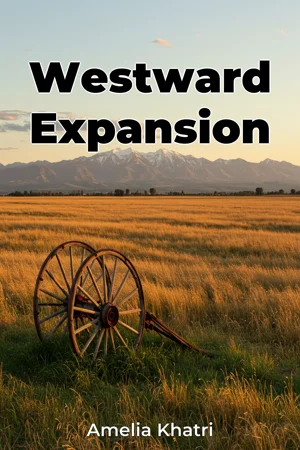
How did the United States transform from a fledgling republic into a continental power within the span of a century? "Westward Expansion" examines this pivotal era in American history, focusing on the complex interplay of territorial acquisition, indigenous displacement, and technological innovation that reshaped the nation's physical and social landscape. This book delves into the multifaceted story of westward expansion, exploring not only its triumphs but also its profound human costs and lasting consequences. This book argues that westward expansion was not a uniform or inevitable process, but rather a series of contested encounters shaped by competing interests, ideologies, and power dynamics. By examining the motivations, experiences, and impacts of westward movement, we gain a more nuanced understanding of American identity and the enduring legacies of this formative period. "Westward Expansion" is structured to provide a comprehensive analysis of this era. It begins by establishing the historical context of early American expansionism, tracing its roots in concepts like Manifest Destiny and the desire for economic opportunity. The book then examines the primary drivers of westward movement: land hunger, resource exploitation, and the promise of a better life. We analyze the diverse groups who participated in this migration, including farmers, miners, ranchers, and entrepreneurs, highlighting their individual stories and collective impact. A central portion of the book is dedicated to the conflicts between settlers and indigenous tribes. We explore the policies of removal and assimilation, the devastating impact of disease and warfare, and the resilience of indigenous cultures in the face of overwhelming odds. Key battles and treaties are examined in detail, providing a clear understanding of the power imbalances and injustices that characterized this period. The book incorporates primary source accounts from indigenous peoples and settlers to offer multiple perspectives on these events. The book then turns to the transformative role of railroads in facilitating and accelerating westward expansion. We analyze how railroads revolutionized transportation, connected distant markets, and fueled economic growth. The construction of the transcontinental railroad is examined as a technological marvel and a symbol of national unity, but also as a project that relied on exploited labor and contributed to environmental degradation. The evidence presented in "Westward Expansion" draws upon a wide range of sources, including government documents, treaties, census data, personal diaries, letters, and photographs. The book also incorporates recent scholarship in Native American history, environmental history, and the history of technology. This book connects to several other fields, including political science (examining government policies and territorial disputes), sociology (analyzing the social and cultural impact of migration), and environmental studies (assessing the ecological consequences of westward expansion). "Westward Expansion" is written in a clear and accessible style, making it suitable for students, general readers, and anyone interested in learning more about this formative period in American history. While focusing on the continental United States, the book acknowledges the limitations of its scope and encourages further exploration of related topics, such as American imperialism beyond its continental borders. The book explores the ongoing debates surrounding the legacy of westward expansion, including discussions about reparations for indigenous peoples, the preservation of historical sites, and the reinterpretation of historical narratives. By engaging with these complex issues, "Westward Expansion" invites readers to critically examine the past and consider its relevance to the present.
How did the United States transform from a fledgling republic into a continental power within the span of a century? "Westward Expansion" examines this pivotal era in American history, focusing on the complex interplay of territorial acquisition, indigenous displacement, and technological innovation that reshaped the nation's physical and social landscape. This book delves into the multifaceted story of westward expansion, exploring not only its triumphs but also its profound human costs and lasting consequences. This book argues that westward expansion was not a uniform or inevitable process, but rather a series of contested encounters shaped by competing interests, ideologies, and power dynamics. By examining the motivations, experiences, and impacts of westward movement, we gain a more nuanced understanding of American identity and the enduring legacies of this formative period. "Westward Expansion" is structured to provide a comprehensive analysis of this era. It begins by establishing the historical context of early American expansionism, tracing its roots in concepts like Manifest Destiny and the desire for economic opportunity. The book then examines the primary drivers of westward movement: land hunger, resource exploitation, and the promise of a better life. We analyze the diverse groups who participated in this migration, including farmers, miners, ranchers, and entrepreneurs, highlighting their individual stories and collective impact. A central portion of the book is dedicated to the conflicts between settlers and indigenous tribes. We explore the policies of removal and assimilation, the devastating impact of disease and warfare, and the resilience of indigenous cultures in the face of overwhelming odds. Key battles and treaties are examined in detail, providing a clear understanding of the power imbalances and injustices that characterized this period. The book incorporates primary source accounts from indigenous peoples and settlers to offer multiple perspectives on these events. The book then turns to the transformative role of railroads in facilitating and accelerating westward expansion. We analyze how railroads revolutionized transportation, connected distant markets, and fueled economic growth. The construction of the transcontinental railroad is examined as a technological marvel and a symbol of national unity, but also as a project that relied on exploited labor and contributed to environmental degradation. The evidence presented in "Westward Expansion" draws upon a wide range of sources, including government documents, treaties, census data, personal diaries, letters, and photographs. The book also incorporates recent scholarship in Native American history, environmental history, and the history of technology. This book connects to several other fields, including political science (examining government policies and territorial disputes), sociology (analyzing the social and cultural impact of migration), and environmental studies (assessing the ecological consequences of westward expansion). "Westward Expansion" is written in a clear and accessible style, making it suitable for students, general readers, and anyone interested in learning more about this formative period in American history. While focusing on the continental United States, the book acknowledges the limitations of its scope and encourages further exploration of related topics, such as American imperialism beyond its continental borders. The book explores the ongoing debates surrounding the legacy of westward expansion, including discussions about reparations for indigenous peoples, the preservation of historical sites, and the reinterpretation of historical narratives. By engaging with these complex issues, "Westward Expansion" invites readers to critically examine the past and consider its relevance to the present.
"Westward Expansion" explores the United States' dramatic transformation into a continental power, focusing on the period of American expansionism. The book argues that this expansion wasn't a straightforward process but a series of contested interactions shaped by competing interests and power dynamics. From the allure of economic opportunity to the concept of Manifest Destiny, the book examines the key motivations behind the westward movement, including land hunger and resource exploitation. A significant portion of the book addresses the conflicts between settlers and indigenous tribes, highlighting the devastating impacts of removal policies, disease, and warfare, while also acknowledging the resilience of indigenous cultures. For example, the construction of the transcontinental railroad, while a symbol of national unity and technological advancement, relied on exploited labor and led to environmental degradation. The book progresses chronologically, starting with the historical context of early American expansionism and then exploring the primary drivers of westward movement. The book also analyzes the transformative role of railroads in accelerating westward expansion by connecting distant markets and fueling economic growth. This historical account draws on a variety of sources, including government documents, personal diaries, and recent scholarship in Native American and environmental history, to provide a comprehensive and accessible analysis of this formative period. By incorporating diverse perspectives and engaging with ongoing debates about the legacy of westward expansion, the book encourages readers to critically examine the past and consider its relevance to the present.
Book Details
ISBN
9788235240644
Publisher
Publifye AS
Your Licenses
You don't own any licenses for this book
Purchase a license below to unlock this book and download the EPUB.
Purchase License
Select a tier to unlock this book
Need bulk licensing?
Contact us for enterprise agreements.