
About This Book
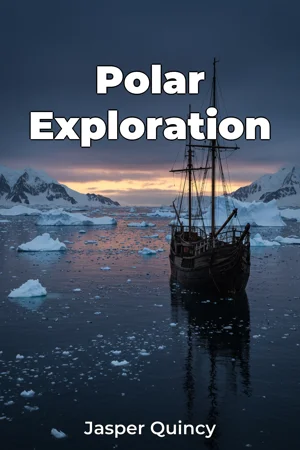
What drove humanity to explore the most remote and hostile environments on Earth? "Polar Exploration" delves into the perilous journeys undertaken by early explorers in the Arctic and Antarctic regions, examining the profound impact these expeditions had on our understanding of the world and the indomitable spirit of those who dared to venture into the unknown. This book addresses three central themes: the motivations behind polar exploration, the personal experiences of the explorers, and the environmental challenges they confronted. These themes are crucial for understanding not only the historical context of these expeditions but also their lasting implications for contemporary issues such as climate change, geopolitical strategy, and resource management. The narrative unfolds against a backdrop of intense scientific curiosity, national competition, and the relentless pursuit of geographical discovery during the 18th, 19th, and early 20th centuries. Lacking modern technology, these pioneers relied on rudimentary equipment, resilience, and their understanding of the natural world. This context underscores the remarkable achievements and sacrifices made in the name of exploration. The central argument of "Polar Exploration" is that the initial expeditions to the Arctic and Antarctica were pivotal in shaping our modern understanding of Earth's polar regions, ecosystems and the capacity of humans to endure extreme conditions. This argument is significant because it highlights the integral role these expeditions played in advancing scientific knowledge and territorial claims, thereby influencing global politics and environmental awareness. Structurally, the book is divided into three distinct parts. The first section introduces the historical context, profiling key figures such as James Cook, William Parry, and Roald Amundsen, and detailing the early objectives of polar exploration. The second part examines the specific challenges encountered, including navigating treacherous ice conditions, battling extreme cold, and managing scarce resources, with a focus on the human stories of survival and adaptation. The final part analyzes the scientific and geopolitical consequences of these explorations, discussing their impact on mapping, resource exploitation, and international relations. The book culminates by examining how these historical expeditions continue to inform contemporary debates surrounding climate change and polar conservation. The book’s arguments are supported by historical records, expedition journals, ship logs, and geographical surveys. It also draws upon meteorological data to illustrate the harsh realities faced by the explorers. "Polar Exploration" intersects with several other fields of study, including climatology, political science, and environmental history. By integrating scientific findings with geopolitical analysis, the book offers a multidisciplinary perspective on polar exploration. This book offers a comprehensive historical overview, highlighting the sheer adversity and the human cost of exploration when technology was basic or non-existent. Written in a rigorous and engaging style, "Polar Exploration" is aimed at students, researchers, and general readers interested in history, geography, and environmental studies. It is valuable to anyone seeking a comprehensive understanding of polar exploration and its ongoing relevance. As a work of world history, the book adheres to a chronological structure, while also incorporating elements of adventure and personal narrative to enhance its readability. The book focuses primarily on the early phases of polar exploration, up to the mid-20th century, with limited analysis of later developments in polar research and tourism. This focus allows for a detailed examination of the initial period of discovery and its long-term effects. Understanding the history of polar exploration helps us appreciate the current challenges and opportunities in these regions, from managing natural resources to addressing the impacts of climate change. The book also acknowledges ongoing controversies surrounding the environmental impact of historical exploration and the ethical considerations of territorial claims and resource exploitation in the polar regions. This book will allow the reader to understand the cost of exploration and the impact it has on the modern world.
What drove humanity to explore the most remote and hostile environments on Earth? "Polar Exploration" delves into the perilous journeys undertaken by early explorers in the Arctic and Antarctic regions, examining the profound impact these expeditions had on our understanding of the world and the indomitable spirit of those who dared to venture into the unknown. This book addresses three central themes: the motivations behind polar exploration, the personal experiences of the explorers, and the environmental challenges they confronted. These themes are crucial for understanding not only the historical context of these expeditions but also their lasting implications for contemporary issues such as climate change, geopolitical strategy, and resource management. The narrative unfolds against a backdrop of intense scientific curiosity, national competition, and the relentless pursuit of geographical discovery during the 18th, 19th, and early 20th centuries. Lacking modern technology, these pioneers relied on rudimentary equipment, resilience, and their understanding of the natural world. This context underscores the remarkable achievements and sacrifices made in the name of exploration. The central argument of "Polar Exploration" is that the initial expeditions to the Arctic and Antarctica were pivotal in shaping our modern understanding of Earth's polar regions, ecosystems and the capacity of humans to endure extreme conditions. This argument is significant because it highlights the integral role these expeditions played in advancing scientific knowledge and territorial claims, thereby influencing global politics and environmental awareness. Structurally, the book is divided into three distinct parts. The first section introduces the historical context, profiling key figures such as James Cook, William Parry, and Roald Amundsen, and detailing the early objectives of polar exploration. The second part examines the specific challenges encountered, including navigating treacherous ice conditions, battling extreme cold, and managing scarce resources, with a focus on the human stories of survival and adaptation. The final part analyzes the scientific and geopolitical consequences of these explorations, discussing their impact on mapping, resource exploitation, and international relations. The book culminates by examining how these historical expeditions continue to inform contemporary debates surrounding climate change and polar conservation. The book’s arguments are supported by historical records, expedition journals, ship logs, and geographical surveys. It also draws upon meteorological data to illustrate the harsh realities faced by the explorers. "Polar Exploration" intersects with several other fields of study, including climatology, political science, and environmental history. By integrating scientific findings with geopolitical analysis, the book offers a multidisciplinary perspective on polar exploration. This book offers a comprehensive historical overview, highlighting the sheer adversity and the human cost of exploration when technology was basic or non-existent. Written in a rigorous and engaging style, "Polar Exploration" is aimed at students, researchers, and general readers interested in history, geography, and environmental studies. It is valuable to anyone seeking a comprehensive understanding of polar exploration and its ongoing relevance. As a work of world history, the book adheres to a chronological structure, while also incorporating elements of adventure and personal narrative to enhance its readability. The book focuses primarily on the early phases of polar exploration, up to the mid-20th century, with limited analysis of later developments in polar research and tourism. This focus allows for a detailed examination of the initial period of discovery and its long-term effects. Understanding the history of polar exploration helps us appreciate the current challenges and opportunities in these regions, from managing natural resources to addressing the impacts of climate change. The book also acknowledges ongoing controversies surrounding the environmental impact of historical exploration and the ethical considerations of territorial claims and resource exploitation in the polar regions. This book will allow the reader to understand the cost of exploration and the impact it has on the modern world.
"Polar Exploration" chronicles humanity's daring ventures into the Arctic and Antarctic, revealing the motivations, experiences, and environmental challenges faced by early explorers. It highlights how these expeditions, driven by scientific curiosity and national ambition, profoundly shaped our understanding of Earth's polar regions. The book illustrates how explorers navigated treacherous ice and extreme cold with rudimentary tools, demonstrating remarkable resilience. Consider James Cook, William Parry and Roald Amundsen whose journeys not only expanded geographical knowledge but also laid the groundwork for current geopolitical strategies. The book unfolds in three parts: the early objectives and key figures, the specific challenges of polar environments, and the lasting scientific and geopolitical consequences. Readers will discover how these historical endeavors inform contemporary debates on climate change and polar conservation. Delving into expedition journals and meteorological data, the book uncovers the sheer adversity faced, while also examining the impact of exploration on resource management. It connects historical discoveries with modern environmental and political issues, providing a comprehensive look at the legacy of polar exploration.
Book Details
ISBN
9788235240521
Publisher
Publifye AS
Your Licenses
You don't own any licenses for this book
Purchase a license below to unlock this book and download the EPUB.
Purchase License
Select a tier to unlock this book
Need bulk licensing?
Contact us for enterprise agreements.