
About This Book
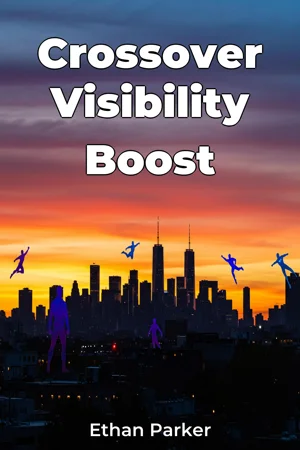
In an era defined by interconnected media landscapes, how do shared fictional universes shape societal understanding of LGBTQ+ identities? "Crossover Visibility Boost" explores the burgeoning phenomenon of LGBTQ+ characters appearing across multiple comic book and cinematic franchises, dissecting their impact on public discourse and awareness. This book argues that the strategic integration of LGBTQ+ representation within these expansive fictional worlds offers a unique pathway to normalizing diverse sexual orientations and gender identities, fostering greater empathy and acceptance among mainstream audiences. This work delves into the historical context of LGBTQ+ representation, tracing its evolution from marginalized portrayals to more nuanced and prominent roles in popular culture. We examine the social underpinnings of visibility politics, acknowledging the long-standing fight for LGBTQ+ rights and the critical role media representation plays in shaping public opinion. The book presupposes a basic understanding of media studies concepts, intersectionality, and LGBTQ+ terminology. The central thesis posits that cross-franchise appearances amplify the visibility and impact of LGBTQ+ characters. By embedding these narratives within already popular and established franchises, creators can reach wider audiences, spark conversations, and potentially challenge pre-existing biases. This impact is further magnified by the interconnected nature of these universes, where characters' stories become interwoven, contributing to a richer and more sustained level of engagement. "Crossover Visibility Boost" unfolds in three major sections. First, it introduces the concept of cross-franchise storytelling and its growing influence in contemporary media. Second, it analyzes specific case studies, examining how LGBTQ+ characters are integrated into various comic and cinematic universes such as Marvel and DC, assessing the narratives, audience reception, and potential for positive social change. Specific attention is given to the complexities of representation, exploring instances of both successful inclusion and problematic stereotyping. Third, the book investigates the broader implications of this trend, considering the impact on LGBTQ+ individuals, the potential for increased allyship, and the ongoing challenges of achieving authentic and meaningful representation. The culmination of the argument underscores the responsibility of creators to wield this influence thoughtfully and ethically. The book draws upon a multidisciplinary approach, incorporating media studies, gender studies, sociology, and film criticism. Primary data includes textual analysis of comic books and film scripts, as well as audience reception studies gathered from online forums, social media, and fan communities. This data is supplemented by expert interviews with creators, actors, and LGBTQ+ activists. "Crossover Visibility Boost" connects to broader discussions within media ethics and the sociology of popular culture. The insights presented directly inform conversations around responsible media representation and the use of fictional narratives to promote social justice. The book bridges academic scholarship with practical applications, offering insights for media creators, educators, and LGBTQ+ advocates alike. This book distinguishes itself by focusing specifically on the cross-franchise aspect of LGBTQ+ representation. While previous studies have examined LGBTQ+ characters in film and television, this work hones in on the unique dynamics and amplification effects that occur when characters appear across multiple interconnected stories. The tone is scholarly yet accessible, aiming to inform and engage a broad audience. While grounded in rigorous research, the writing style prioritizes clarity and avoids unnecessary jargon. The intended readership includes students and scholars in media studies, gender studies, and LGBTQ+ studies, as well as media professionals, activists, and anyone interested in the intersection of popular culture and social change. The book’s value lies in its comprehensive analysis, real-world examples, and actionable insights. Aligned with the conventions of academic non-fiction, the book provides a thorough literature review, rigorous methodology, and detailed analysis. The scope intentionally focuses on major comic book and cinematic universes, acknowledging limitations in covering every instance of LGBTQ+ representation. Practically, the book provides media creators with a framework for developing inclusive and empowering narratives. It also equips educators and activists with tools to critically analyze media representations and advocate for positive change. The book acknowledges ongoing debates surrounding the commodification of LGBTQ+ identities, the potential for "queerbaiting," and the importance of diverse representation both on and off screen, providing a balanced perspective on these critical issues.
In an era defined by interconnected media landscapes, how do shared fictional universes shape societal understanding of LGBTQ+ identities? "Crossover Visibility Boost" explores the burgeoning phenomenon of LGBTQ+ characters appearing across multiple comic book and cinematic franchises, dissecting their impact on public discourse and awareness. This book argues that the strategic integration of LGBTQ+ representation within these expansive fictional worlds offers a unique pathway to normalizing diverse sexual orientations and gender identities, fostering greater empathy and acceptance among mainstream audiences. This work delves into the historical context of LGBTQ+ representation, tracing its evolution from marginalized portrayals to more nuanced and prominent roles in popular culture. We examine the social underpinnings of visibility politics, acknowledging the long-standing fight for LGBTQ+ rights and the critical role media representation plays in shaping public opinion. The book presupposes a basic understanding of media studies concepts, intersectionality, and LGBTQ+ terminology. The central thesis posits that cross-franchise appearances amplify the visibility and impact of LGBTQ+ characters. By embedding these narratives within already popular and established franchises, creators can reach wider audiences, spark conversations, and potentially challenge pre-existing biases. This impact is further magnified by the interconnected nature of these universes, where characters' stories become interwoven, contributing to a richer and more sustained level of engagement. "Crossover Visibility Boost" unfolds in three major sections. First, it introduces the concept of cross-franchise storytelling and its growing influence in contemporary media. Second, it analyzes specific case studies, examining how LGBTQ+ characters are integrated into various comic and cinematic universes such as Marvel and DC, assessing the narratives, audience reception, and potential for positive social change. Specific attention is given to the complexities of representation, exploring instances of both successful inclusion and problematic stereotyping. Third, the book investigates the broader implications of this trend, considering the impact on LGBTQ+ individuals, the potential for increased allyship, and the ongoing challenges of achieving authentic and meaningful representation. The culmination of the argument underscores the responsibility of creators to wield this influence thoughtfully and ethically. The book draws upon a multidisciplinary approach, incorporating media studies, gender studies, sociology, and film criticism. Primary data includes textual analysis of comic books and film scripts, as well as audience reception studies gathered from online forums, social media, and fan communities. This data is supplemented by expert interviews with creators, actors, and LGBTQ+ activists. "Crossover Visibility Boost" connects to broader discussions within media ethics and the sociology of popular culture. The insights presented directly inform conversations around responsible media representation and the use of fictional narratives to promote social justice. The book bridges academic scholarship with practical applications, offering insights for media creators, educators, and LGBTQ+ advocates alike. This book distinguishes itself by focusing specifically on the cross-franchise aspect of LGBTQ+ representation. While previous studies have examined LGBTQ+ characters in film and television, this work hones in on the unique dynamics and amplification effects that occur when characters appear across multiple interconnected stories. The tone is scholarly yet accessible, aiming to inform and engage a broad audience. While grounded in rigorous research, the writing style prioritizes clarity and avoids unnecessary jargon. The intended readership includes students and scholars in media studies, gender studies, and LGBTQ+ studies, as well as media professionals, activists, and anyone interested in the intersection of popular culture and social change. The book’s value lies in its comprehensive analysis, real-world examples, and actionable insights. Aligned with the conventions of academic non-fiction, the book provides a thorough literature review, rigorous methodology, and detailed analysis. The scope intentionally focuses on major comic book and cinematic universes, acknowledging limitations in covering every instance of LGBTQ+ representation. Practically, the book provides media creators with a framework for developing inclusive and empowering narratives. It also equips educators and activists with tools to critically analyze media representations and advocate for positive change. The book acknowledges ongoing debates surrounding the commodification of LGBTQ+ identities, the potential for "queerbaiting," and the importance of diverse representation both on and off screen, providing a balanced perspective on these critical issues.
"Crossover Visibility Boost" examines how LGBTQ+ characters in interconnected comic book and cinematic universes impact societal understanding. This exploration highlights the potential of cross-franchise appearances to normalize diverse identities and foster empathy. For example, integrating LGBTQ+ narratives into popular franchises like Marvel and DC can reach wider audiences and spark conversations, potentially challenging biases. The book traces the evolution of LGBTQ+ representation, from marginalized portrayals to more nuanced roles. It argues that embedding these narratives within established franchises amplifies their visibility. Did you know that these interconnected stories contribute to a richer, sustained level of engagement? The book unfolds in three parts, that first introduces cross-franchise storytelling, examines specific cases, and finally investigates broader implications. Drawing from media studies, gender studies, and film criticism, "Crossover Visibility Boost" analyzes textual data and audience reception. This approach distinguishes the book by focusing on the unique dynamics of cross-franchise representation, offering insights for media creators, educators, and LGBTQ+ advocates.
Book Details
ISBN
9788235240422
Publisher
Publifye AS
Your Licenses
You don't own any licenses for this book
Purchase a license below to unlock this book and download the EPUB.
Purchase License
Select a tier to unlock this book
Need bulk licensing?
Contact us for enterprise agreements.