
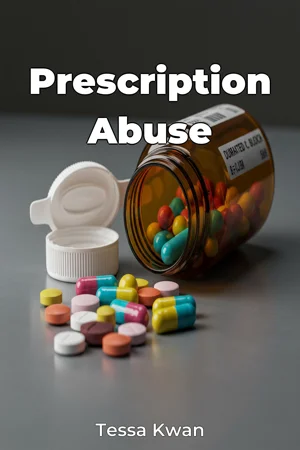
About This Book
Have you ever wondered how a simple prescription, intended to heal, can inadvertently lead to a path of dependency? "Prescription Abuse" delves into the complex relationship individuals develop with prescription medications, a growing concern at the intersection of health, psychology, and fitness. This book examines the often-overlooked mechanisms that transform helpful medications into sources of addiction, exploring the underlying psychological factors, physical dependency, and societal influences that contribute to this widespread problem. This book addresses two critical topics: the neurobiological pathways that cause prescription drug dependency and the psychological profiles of individuals vulnerable to prescription abuse. It is important to understand how these issues affect not only individuals but also public health systems. "Prescription Abuse" provides a comprehensive exploration of the escalating rates of prescription drug dependency in modern society. We will investigate how medical advancements, while intended to alleviate suffering, have inadvertently created new avenues for abuse. This includes analyzing the historical context of pain management strategies, the rise of pharmaceutical marketing, and the evolving understanding of addiction within the medical community. Our central argument is that prescription drug dependency is not simply a matter of individual willpower but a complex interplay of biological predispositions, psychological vulnerabilities, and environmental factors. Understanding this trifecta is crucial for effective prevention and intervention strategies. This book underscores the necessity of a holistic approach to addressing prescription drug dependency, one that integrates medical, psychological, and social perspectives. The structure of this book is designed to guide readers through a comprehensive understanding of prescription abuse. First, we introduce the core concepts of dependency, tolerance, and withdrawal. Second, we will develop these principles through separate chapters dedicated to classes of commonly-abused prescriptions such as opioid painkillers, benzodiazepines, and stimulants. Each chapter includes case studies and research findings. Third, the book culminates by presenting comprehensive strategies for policymakers, healthcare providers, and individuals. The concluding section of the book will focus on practical applications and preventative measures, providing readers with concrete steps they can take to mitigate the risk of prescription abuse in their own lives and communities. The book will present evidence from diverse sources, including clinical trials, epidemiological studies, and qualitative interviews with individuals struggling with prescription abuse. We will draw from national surveys data, like the National Survey on Drug Use and Health (NSDUH), to paint a national picture of the issue. Methodologically, the book employs a comprehensive review of existing scientific literature combined with original data analysis to provide new insights into the problem. "Prescription Abuse" is inherently interdisciplinary, connecting concepts from pharmacology, psychology, and public health. It explores how different drug classes act on the brain (pharmacology), the cognitive and emotional factors that drive addictive behaviors (psychology), and the broader societal implications of widespread prescription drug use (public health). These interdisciplinary connections enhance the book’s argument by providing a holistic understanding of the issue. What sets this book apart is its focus on the interconnectedness of biological, psychological, and social factors in prescription abuse. This perspective allows for a more nuanced and comprehensive understanding of the issue than traditional approaches that focus solely on individual pathology or drug pharmacology. The tone of the book will be informative and accessible, appealing to a broad audience while maintaining scientific rigor. The writing style will be clear and concise. This book is intended for healthcare professionals, students in health-related fields, policymakers, and anyone interested in understanding the complexities of prescription drug dependency. It provides practical insights for individuals seeking to understand or address prescription abuse in themselves or their loved ones. As a work within the genres of Health & Fitness, Psychology, and Health Fitness, this book fulfills the conventions of clarity, evidence-based arguments, and practical applications. It aims to provide readers with the knowledge and tools they need to make informed decisions about prescription medications and to advocate for responsible prescribing practices. The scope of "Prescription Abuse" includes a broad overview of commonly abused prescription medications and their effects. However, it does not delve into the specifics of individual treatment plans or rare genetic predispositions, as these topics necessitate specialized clinical expertise. The information in this book can be applied in various real-world settings, from developing more effective prevention programs to improving patient education and awareness. Currently, there are debates surrounding the role of pharmaceutical companies in promoting opioid painkillers and the effectiveness of different treatment approaches for addiction. This book addresses these controversies by presenting a balanced view of the evidence and exploring alternative perspectives.
Have you ever wondered how a simple prescription, intended to heal, can inadvertently lead to a path of dependency? "Prescription Abuse" delves into the complex relationship individuals develop with prescription medications, a growing concern at the intersection of health, psychology, and fitness. This book examines the often-overlooked mechanisms that transform helpful medications into sources of addiction, exploring the underlying psychological factors, physical dependency, and societal influences that contribute to this widespread problem. This book addresses two critical topics: the neurobiological pathways that cause prescription drug dependency and the psychological profiles of individuals vulnerable to prescription abuse. It is important to understand how these issues affect not only individuals but also public health systems. "Prescription Abuse" provides a comprehensive exploration of the escalating rates of prescription drug dependency in modern society. We will investigate how medical advancements, while intended to alleviate suffering, have inadvertently created new avenues for abuse. This includes analyzing the historical context of pain management strategies, the rise of pharmaceutical marketing, and the evolving understanding of addiction within the medical community. Our central argument is that prescription drug dependency is not simply a matter of individual willpower but a complex interplay of biological predispositions, psychological vulnerabilities, and environmental factors. Understanding this trifecta is crucial for effective prevention and intervention strategies. This book underscores the necessity of a holistic approach to addressing prescription drug dependency, one that integrates medical, psychological, and social perspectives. The structure of this book is designed to guide readers through a comprehensive understanding of prescription abuse. First, we introduce the core concepts of dependency, tolerance, and withdrawal. Second, we will develop these principles through separate chapters dedicated to classes of commonly-abused prescriptions such as opioid painkillers, benzodiazepines, and stimulants. Each chapter includes case studies and research findings. Third, the book culminates by presenting comprehensive strategies for policymakers, healthcare providers, and individuals. The concluding section of the book will focus on practical applications and preventative measures, providing readers with concrete steps they can take to mitigate the risk of prescription abuse in their own lives and communities. The book will present evidence from diverse sources, including clinical trials, epidemiological studies, and qualitative interviews with individuals struggling with prescription abuse. We will draw from national surveys data, like the National Survey on Drug Use and Health (NSDUH), to paint a national picture of the issue. Methodologically, the book employs a comprehensive review of existing scientific literature combined with original data analysis to provide new insights into the problem. "Prescription Abuse" is inherently interdisciplinary, connecting concepts from pharmacology, psychology, and public health. It explores how different drug classes act on the brain (pharmacology), the cognitive and emotional factors that drive addictive behaviors (psychology), and the broader societal implications of widespread prescription drug use (public health). These interdisciplinary connections enhance the book’s argument by providing a holistic understanding of the issue. What sets this book apart is its focus on the interconnectedness of biological, psychological, and social factors in prescription abuse. This perspective allows for a more nuanced and comprehensive understanding of the issue than traditional approaches that focus solely on individual pathology or drug pharmacology. The tone of the book will be informative and accessible, appealing to a broad audience while maintaining scientific rigor. The writing style will be clear and concise. This book is intended for healthcare professionals, students in health-related fields, policymakers, and anyone interested in understanding the complexities of prescription drug dependency. It provides practical insights for individuals seeking to understand or address prescription abuse in themselves or their loved ones. As a work within the genres of Health & Fitness, Psychology, and Health Fitness, this book fulfills the conventions of clarity, evidence-based arguments, and practical applications. It aims to provide readers with the knowledge and tools they need to make informed decisions about prescription medications and to advocate for responsible prescribing practices. The scope of "Prescription Abuse" includes a broad overview of commonly abused prescription medications and their effects. However, it does not delve into the specifics of individual treatment plans or rare genetic predispositions, as these topics necessitate specialized clinical expertise. The information in this book can be applied in various real-world settings, from developing more effective prevention programs to improving patient education and awareness. Currently, there are debates surrounding the role of pharmaceutical companies in promoting opioid painkillers and the effectiveness of different treatment approaches for addiction. This book addresses these controversies by presenting a balanced view of the evidence and exploring alternative perspectives.
"Prescription Abuse" explores the intricate issue of prescription drug dependency, a growing concern that intersects health, psychology, and fitness. It investigates how medications intended for healing can inadvertently lead to addiction, impacting individuals and public health systems. The book highlights the neurobiological pathways of dependency and the psychological profiles of those vulnerable to prescription abuse, emphasizing that addiction is not merely a matter of willpower but a complex interplay of biological, psychological, and environmental factors. The book addresses the escalating rates of prescription drug dependency, analyzing the historical context of pain management, the rise of pharmaceutical marketing, and the evolving understanding of addiction. For instance, it delves into how tolerance and withdrawal manifest with opioid painkillers, benzodiazepines, and stimulants. By presenting evidence from clinical trials, epidemiological studies, and qualitative interviews, "Prescription Abuse" offers a comprehensive view of this issue. The book progresses systematically, first introducing core concepts like dependency, tolerance, and withdrawal. It then dedicates chapters to commonly abused prescriptions, including case studies and research findings. Finally, it presents strategies for policymakers, healthcare providers, and individuals, focusing on practical applications and preventative measures, making it a valuable resource for those seeking to understand or address prescription abuse.
Book Details
ISBN
9788235240309
Publisher
Publifye AS
Your Licenses
You don't own any licenses for this book
Purchase a license below to unlock this book and download the EPUB.
Purchase License
Select a tier to unlock this book
Need bulk licensing?
Contact us for enterprise agreements.