
About This Book
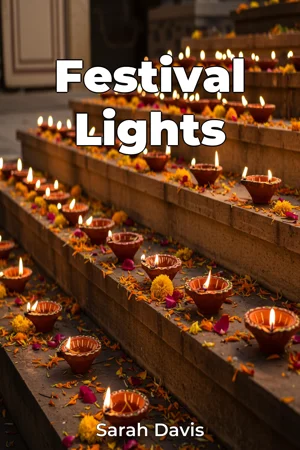
Why, across cultures and continents, do we gather in the darkest months to ignite lights in celebration? "Festival Lights" delves into this fundamental human impulse, exploring the rich tapestry of festivals centered around light and its symbolic power. This book examines how various cultures utilize light—both literally and figuratively—to mark significant moments, express faith, and celebrate community. Light, in these contexts, serves as a potent symbol of hope, renewal, and the triumph of good over darkness. Understanding these celebrations provides insight into the shared human experience and the diverse ways we find meaning in the world. This exploration centers on three prominent festivals: Hanukkah, Diwali, and the Chinese Lantern Festival. Hanukkah, the Jewish Festival of Lights, commemorates the rededication of the Second Temple in Jerusalem and the miracle of the oil that burned for eight nights. Diwali, the Hindu festival of lights, celebrates the victory of good over evil, light over darkness, and knowledge over ignorance. The Chinese Lantern Festival, marking the end of the Lunar New Year, is a vibrant display of artistry and community, designed to drive away bad luck and usher in prosperity. Each of these festivals offers a unique lens through which to examine the cultural, religious, and historical significance of light. The book provides historical context for each festival, tracing its origins and evolution over time. This includes examining the socio-political factors that shaped these traditions, as well as the religious and philosophical underpinnings that give them meaning. The central argument is that these festivals, while distinct in their origins and practices, share a common thread: the use of light as a powerful symbol to affirm cultural identity, reinforce community bonds, and express fundamental human values. "Festival Lights" is structured in three primary sections. The first section introduces the concept of light as a universal symbol and outlines the historical and cultural context of each festival. The second section delves into the specific rituals, traditions, and symbolism associated with Hanukkah, Diwali, and the Chinese Lantern Festival, respectively. This section will examine the foods, music, and artistic expressions that are integral to each celebration. The third section draws comparative analyses, highlighting both the unique aspects and the shared themes that connect these festivals. It culminates in a discussion of the practical implications of understanding these celebrations in a multicultural world, emphasizing the importance of cultural sensitivity and cross-cultural dialogue. The book draws upon a diverse range of sources, including historical texts, religious scriptures, ethnographic studies, and contemporary accounts. It also incorporates visual elements, such as photographs and illustrations, to enhance the reader's understanding and engagement. The methodologies employed include comparative analysis, historical research, and cultural studies. This study connects to other fields, such as religious studies, sociology, and art history. Religious studies clarifies the spiritual foundations of each festival. Sociology provides insight into the social functions of these celebrations, such as reinforcing community bonds and transmitting cultural values. Art history illuminates the aesthetic dimensions of these festivals, from the design of menorahs to the creation of intricate lanterns. "Festival Lights" adopts a narrative non-fiction approach, presenting information in a clear, engaging, and accessible manner. The target audience includes general readers interested in world history, religion, and cultural studies, as well as students and educators seeking a comprehensive overview of these festivals. It is valuable to those seeking to broaden their understanding of cultural diversity and the role of tradition in shaping human experience. While the book focuses on Hanukkah, Diwali, and the Chinese Lantern Festival, it acknowledges that numerous other festivals of light exist around the world. The scope is intentionally limited to these three festivals to allow for in-depth analysis and comparative study. The intention is not to provide an exhaustive catalog of all festivals of light, but rather to offer a detailed exploration of a select few, providing a framework for understanding the broader phenomenon. The knowledge gained from this book can be practically applied in various contexts, such as promoting interfaith dialogue, fostering cultural understanding in educational settings, and informing multicultural initiatives in workplaces and communities. By understanding the shared values and traditions that unite us, we can build bridges across cultures and create a more inclusive and harmonious world.
Why, across cultures and continents, do we gather in the darkest months to ignite lights in celebration? "Festival Lights" delves into this fundamental human impulse, exploring the rich tapestry of festivals centered around light and its symbolic power. This book examines how various cultures utilize light—both literally and figuratively—to mark significant moments, express faith, and celebrate community. Light, in these contexts, serves as a potent symbol of hope, renewal, and the triumph of good over darkness. Understanding these celebrations provides insight into the shared human experience and the diverse ways we find meaning in the world. This exploration centers on three prominent festivals: Hanukkah, Diwali, and the Chinese Lantern Festival. Hanukkah, the Jewish Festival of Lights, commemorates the rededication of the Second Temple in Jerusalem and the miracle of the oil that burned for eight nights. Diwali, the Hindu festival of lights, celebrates the victory of good over evil, light over darkness, and knowledge over ignorance. The Chinese Lantern Festival, marking the end of the Lunar New Year, is a vibrant display of artistry and community, designed to drive away bad luck and usher in prosperity. Each of these festivals offers a unique lens through which to examine the cultural, religious, and historical significance of light. The book provides historical context for each festival, tracing its origins and evolution over time. This includes examining the socio-political factors that shaped these traditions, as well as the religious and philosophical underpinnings that give them meaning. The central argument is that these festivals, while distinct in their origins and practices, share a common thread: the use of light as a powerful symbol to affirm cultural identity, reinforce community bonds, and express fundamental human values. "Festival Lights" is structured in three primary sections. The first section introduces the concept of light as a universal symbol and outlines the historical and cultural context of each festival. The second section delves into the specific rituals, traditions, and symbolism associated with Hanukkah, Diwali, and the Chinese Lantern Festival, respectively. This section will examine the foods, music, and artistic expressions that are integral to each celebration. The third section draws comparative analyses, highlighting both the unique aspects and the shared themes that connect these festivals. It culminates in a discussion of the practical implications of understanding these celebrations in a multicultural world, emphasizing the importance of cultural sensitivity and cross-cultural dialogue. The book draws upon a diverse range of sources, including historical texts, religious scriptures, ethnographic studies, and contemporary accounts. It also incorporates visual elements, such as photographs and illustrations, to enhance the reader's understanding and engagement. The methodologies employed include comparative analysis, historical research, and cultural studies. This study connects to other fields, such as religious studies, sociology, and art history. Religious studies clarifies the spiritual foundations of each festival. Sociology provides insight into the social functions of these celebrations, such as reinforcing community bonds and transmitting cultural values. Art history illuminates the aesthetic dimensions of these festivals, from the design of menorahs to the creation of intricate lanterns. "Festival Lights" adopts a narrative non-fiction approach, presenting information in a clear, engaging, and accessible manner. The target audience includes general readers interested in world history, religion, and cultural studies, as well as students and educators seeking a comprehensive overview of these festivals. It is valuable to those seeking to broaden their understanding of cultural diversity and the role of tradition in shaping human experience. While the book focuses on Hanukkah, Diwali, and the Chinese Lantern Festival, it acknowledges that numerous other festivals of light exist around the world. The scope is intentionally limited to these three festivals to allow for in-depth analysis and comparative study. The intention is not to provide an exhaustive catalog of all festivals of light, but rather to offer a detailed exploration of a select few, providing a framework for understanding the broader phenomenon. The knowledge gained from this book can be practically applied in various contexts, such as promoting interfaith dialogue, fostering cultural understanding in educational settings, and informing multicultural initiatives in workplaces and communities. By understanding the shared values and traditions that unite us, we can build bridges across cultures and create a more inclusive and harmonious world.
"Festival Lights" explores why diverse cultures celebrate with light, particularly during the darkest months. It examines festivals like Hanukkah, Diwali, and the Chinese Lantern Festival, revealing how light symbolizes hope, renewal, and the triumph of good. These celebrations highlight our shared human experiences and the varied ways we seek meaning. For instance, Hanukkah commemorates a miracle where oil burned for eight nights, while Diwali celebrates the victory of light over darkness. The book journeys through the historical origins and evolving traditions of each festival, emphasizing the socio-political and religious contexts that shaped them. It's structured to first introduce light as a universal symbol, then delve into the rituals and symbolism of each festival, and finally, provide comparative analysis to reveal shared themes. This approach makes it easy to understand both the unique aspects and the connecting threads between these celebrations, valuable for anyone interested in World History and cultural diversity.
Book Details
ISBN
9788235240255
Publisher
Publifye AS
Your Licenses
You don't own any licenses for this book
Purchase a license below to unlock this book and download the EPUB.
Purchase License
Select a tier to unlock this book
Need bulk licensing?
Contact us for enterprise agreements.