
About This Book
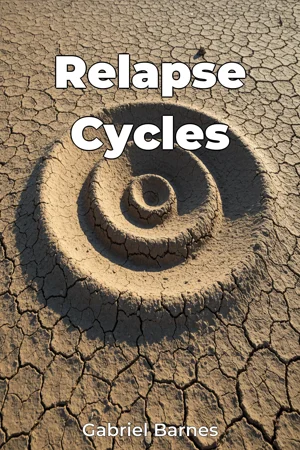
Are you caught in a seemingly endless loop of recovery and relapse? "Relapse Cycles" offers a comprehensive exploration of the cyclical nature of addiction relapse, providing crucial insights into its underlying mechanisms, identifiable warning signs, and effective prevention strategies. This book is vital because understanding relapse as a process, not a singular event, is key to long-term recovery. We will explore the psychological, behavioral, and environmental factors that contribute to relapse, offering a robust framework for understanding and managing this challenging aspect of addiction. The primary focus will be on three key areas: identifying the stages of relapse, understanding the individual triggers and vulnerabilities that fuel the cycle, and implementing practical strategies for relapse prevention. These topics are critical because relapse is not a random occurrence; it’s a process that unfolds over time, often beginning long before the actual return to substance use. Recognizing the early stages of this process and understanding individual vulnerabilities allows for proactive intervention, significantly increasing the chances of sustained recovery. This book draws upon decades of research in addiction psychology and behavioral science. It contextualizes relapse within a bio-psycho-social model, acknowledging the interplay of biological predispositions, psychological factors like stress and trauma, and social influences such as peer pressure and environmental cues. Readers should ideally have a basic understanding of addiction as a chronic disease, but no advanced knowledge is required. The central argument of "Relapse Cycles" is that relapse is a predictable process with identifiable stages and triggers that can be effectively managed through awareness, proactive coping strategies, and personalized relapse prevention plans. This is important because it challenges the often stigmatizing and demoralizing view of relapse as a personal failing and instead frames it as a manageable aspect of a chronic condition. The book is structured to guide readers through a comprehensive understanding of relapse. It begins by introducing the core concepts of addiction and recovery, followed by a detailed examination of the stages of relapse, from emotional and mental relapse to physical relapse. It will elaborate on the common triggers, cognitive distortions, and behavioral patterns associated with each stage. The book then develops proactive strategies for relapse prevention. Chapters will cover topics such as developing coping mechanisms for cravings and triggers, building a strong support network, managing stress and emotions, and creating a personalized relapse prevention plan. The culmination of the argument emphasizes the importance of self-awareness, ongoing self-care, and continuous adaptation in maintaining long-term recovery. Throughout, real-life examples and case studies will illustrate key concepts and provide practical guidance. Evidence and research from clinical trials, longitudinal studies on addiction recovery, and cognitive-behavioral therapy will be presented to support the arguments. Data from national surveys on substance use and mental health will provide a broader context for understanding the prevalence and patterns of relapse. Unique data sources may include patient testimonials and expert interviews, offering insights into the lived experience of relapse and recovery. "Relapse Cycles" connects to several other fields, including neuroscience (understanding the brain mechanisms underlying addiction and relapse), cognitive psychology (exploring the role of thoughts and beliefs in triggering relapse), and social work (addressing the social and environmental factors that contribute to addiction and recovery). These connections enrich the book's perspective by providing a holistic understanding of the complex interplay of factors involved in relapse. The book offers a novel and actionable approach to relapse prevention by framing relapse as a cyclical process with predictable stages and triggers. The tone is informative, empathetic, and empowering, aimed at fostering hope and resilience in readers. The goal is to provide practical tools and strategies that can be immediately applied to improve recovery outcomes. The target audience includes individuals in recovery from addiction, their families and loved ones, addiction counselors, therapists, and other healthcare professionals who work with individuals struggling with addiction. The book's value lies in its comprehensive approach to understanding and managing relapse, providing evidence-based strategies for preventing setbacks and promoting long-term recovery. As a self-help and psychology book, "Relapse Cycles" provides practical advice, actionable strategies, and evidence-based information to empower readers to take control of their recovery journey. It aligns with the genre's focus on providing accessible and useful information for personal growth and well-being. The scope of the book encompasses a broad range of substances and behavioral addictions, acknowledging that the principles of relapse prevention are largely applicable across different types of addiction. However, the book does not delve into the specifics of any particular substance or behavior, but instead focuses on the underlying mechanisms and strategies that are relevant to all forms of addiction. The information in "Relapse Cycles" can be applied in various real-world settings, including individual therapy, group counseling, inpatient and outpatient treatment programs, and self-help groups. It can also be used by individuals to develop their own personalized relapse prevention plans. While the effectiveness of different relapse prevention strategies is an ongoing area of research and debate, "Relapse Cycles" presents a balanced and evidence-based approach, acknowledging the limitations of existing research and encouraging readers to consult with healthcare professionals to determine the best course of treatment for their individual needs.
Are you caught in a seemingly endless loop of recovery and relapse? "Relapse Cycles" offers a comprehensive exploration of the cyclical nature of addiction relapse, providing crucial insights into its underlying mechanisms, identifiable warning signs, and effective prevention strategies. This book is vital because understanding relapse as a process, not a singular event, is key to long-term recovery. We will explore the psychological, behavioral, and environmental factors that contribute to relapse, offering a robust framework for understanding and managing this challenging aspect of addiction. The primary focus will be on three key areas: identifying the stages of relapse, understanding the individual triggers and vulnerabilities that fuel the cycle, and implementing practical strategies for relapse prevention. These topics are critical because relapse is not a random occurrence; it’s a process that unfolds over time, often beginning long before the actual return to substance use. Recognizing the early stages of this process and understanding individual vulnerabilities allows for proactive intervention, significantly increasing the chances of sustained recovery. This book draws upon decades of research in addiction psychology and behavioral science. It contextualizes relapse within a bio-psycho-social model, acknowledging the interplay of biological predispositions, psychological factors like stress and trauma, and social influences such as peer pressure and environmental cues. Readers should ideally have a basic understanding of addiction as a chronic disease, but no advanced knowledge is required. The central argument of "Relapse Cycles" is that relapse is a predictable process with identifiable stages and triggers that can be effectively managed through awareness, proactive coping strategies, and personalized relapse prevention plans. This is important because it challenges the often stigmatizing and demoralizing view of relapse as a personal failing and instead frames it as a manageable aspect of a chronic condition. The book is structured to guide readers through a comprehensive understanding of relapse. It begins by introducing the core concepts of addiction and recovery, followed by a detailed examination of the stages of relapse, from emotional and mental relapse to physical relapse. It will elaborate on the common triggers, cognitive distortions, and behavioral patterns associated with each stage. The book then develops proactive strategies for relapse prevention. Chapters will cover topics such as developing coping mechanisms for cravings and triggers, building a strong support network, managing stress and emotions, and creating a personalized relapse prevention plan. The culmination of the argument emphasizes the importance of self-awareness, ongoing self-care, and continuous adaptation in maintaining long-term recovery. Throughout, real-life examples and case studies will illustrate key concepts and provide practical guidance. Evidence and research from clinical trials, longitudinal studies on addiction recovery, and cognitive-behavioral therapy will be presented to support the arguments. Data from national surveys on substance use and mental health will provide a broader context for understanding the prevalence and patterns of relapse. Unique data sources may include patient testimonials and expert interviews, offering insights into the lived experience of relapse and recovery. "Relapse Cycles" connects to several other fields, including neuroscience (understanding the brain mechanisms underlying addiction and relapse), cognitive psychology (exploring the role of thoughts and beliefs in triggering relapse), and social work (addressing the social and environmental factors that contribute to addiction and recovery). These connections enrich the book's perspective by providing a holistic understanding of the complex interplay of factors involved in relapse. The book offers a novel and actionable approach to relapse prevention by framing relapse as a cyclical process with predictable stages and triggers. The tone is informative, empathetic, and empowering, aimed at fostering hope and resilience in readers. The goal is to provide practical tools and strategies that can be immediately applied to improve recovery outcomes. The target audience includes individuals in recovery from addiction, their families and loved ones, addiction counselors, therapists, and other healthcare professionals who work with individuals struggling with addiction. The book's value lies in its comprehensive approach to understanding and managing relapse, providing evidence-based strategies for preventing setbacks and promoting long-term recovery. As a self-help and psychology book, "Relapse Cycles" provides practical advice, actionable strategies, and evidence-based information to empower readers to take control of their recovery journey. It aligns with the genre's focus on providing accessible and useful information for personal growth and well-being. The scope of the book encompasses a broad range of substances and behavioral addictions, acknowledging that the principles of relapse prevention are largely applicable across different types of addiction. However, the book does not delve into the specifics of any particular substance or behavior, but instead focuses on the underlying mechanisms and strategies that are relevant to all forms of addiction. The information in "Relapse Cycles" can be applied in various real-world settings, including individual therapy, group counseling, inpatient and outpatient treatment programs, and self-help groups. It can also be used by individuals to develop their own personalized relapse prevention plans. While the effectiveness of different relapse prevention strategies is an ongoing area of research and debate, "Relapse Cycles" presents a balanced and evidence-based approach, acknowledging the limitations of existing research and encouraging readers to consult with healthcare professionals to determine the best course of treatment for their individual needs.
"Relapse Cycles" provides a comprehensive guide to understanding and preventing relapse in addiction recovery. It emphasizes that relapse isn't a singular event, but a process with identifiable stages, from emotional and mental to physical. Recognizing personal triggers and vulnerabilities is crucial, as relapse often begins long before substance use restarts. The book challenges the idea of relapse as a personal failing, instead framing it as a manageable part of a chronic condition, offering hope through practical tools and strategies. This self-help psychology book explores the psychological, behavioral, and environmental factors contributing to relapse. It highlights the importance of developing coping mechanisms, building strong support networks, and managing stress. Drawing upon research in addiction psychology and cognitive behavioral therapy, the book guides readers through understanding addiction, identifying relapse stages, and developing personalized relapse prevention plans. Chapters progress from core concepts of addiction to proactive strategies for preventing setbacks. The book takes a bio-psycho-social approach, acknowledging biological predispositions, psychological factors, and social influences. Real-life examples and case studies illustrate key concepts, making the information accessible and actionable for individuals in recovery, their families, and professionals in the field. This approach makes "Relapse Cycles" a valuable resource for anyone seeking to understand and navigate the complexities of addiction recovery.
Book Details
ISBN
9788235239785
Publisher
Publifye AS
Your Licenses
You don't own any licenses for this book
Purchase a license below to unlock this book and download the EPUB.
Purchase License
Select a tier to unlock this book
Need bulk licensing?
Contact us for enterprise agreements.