
About This Book
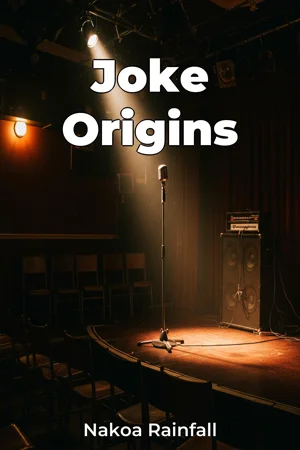
Why do some jokes elicit uproarious laughter across generations, while others fall flat, lost to time? "Joke Origins" embarks on an in-depth exploration of humor, tracing the historical pathways and psychological underpinnings of jokes that have endured and those that have faded into obscurity. This book is significant because it provides a window into the evolution of human culture and cognition, revealing how humor reflects and shapes our societies. The central argument of "Joke Origins" is that the longevity and impact of a joke are determined by a complex interplay of historical context, psychological resonance, and adaptability to changing social landscapes. We delve into the historical settings where jokes first emerged, the social and political climates that shaped their meanings, and how they spread through various channels of communication. A critical element is the psychological aspect: why certain structures and themes trigger laughter, exploring theories of incongruity, superiority, and relief. The book’s structure begins with an introduction to the main concepts of humor theory and historical analysis, setting the stage for understanding what makes a joke 'work.' It then proceeds to examine jokes from different historical periods, from ancient civilizations to the modern digital age, analyzing their content, context, and cultural significance. This exploration includes case studies of jokes that have survived for centuries, such as puns and satirical quips, alongside examples of jokes that were once popular but are now incomprehensible or offensive. A key section will address the psychological factors behind humor, including the roles of cognitive processing, emotional response, and social context in eliciting laughter. Finally, the book synthesizes these findings to offer a comprehensive model for understanding joke evolution, highlighting the key factors that contribute to a joke’s enduring appeal or eventual obsolescence. The evidence presented in "Joke Origins" draws from a wide range of sources, including historical texts, anthropological studies, psychological research, and linguistic analysis. We will examine joke books, folklore collections, political cartoons, and stand-up comedy routines, considering the evolution of joke structures and themes over time. Unique data sources include digitized collections of historical newspapers and periodicals, offering a glimpse into the circulation and reception of jokes in different eras. "Joke Origins" connects to other fields, such as sociology (examining how jokes reflect and reinforce social norms), political science (analyzing the use of humor in propaganda and social commentary), and linguistics (exploring the role of language in creating humor). These interdisciplinary connections enrich the book's argument, demonstrating the multifaceted nature of humor and its significance across different domains of human experience. The book adopts a fact-based and analytical tone, presenting information in a clear and accessible manner. It's written for a broad audience, including students and scholars of history, psychology, and cultural studies, as well as anyone interested in understanding the secrets of humor. This book is valuable because it provides a framework for understanding the complex interplay of factors that shape our sense of humor, offering insights into human nature and cultural evolution. The scope of "Joke Origins" encompasses a wide range of jokes from different historical periods and cultural traditions, but it is limited by the availability of documented evidence. While we strive to provide a representative sample of jokes, the book does not claim to be exhaustive. The book’s conclusions can be applied in various real-world settings, from understanding workplace dynamics to crafting effective marketing campaigns. By understanding what makes people laugh, we can build stronger relationships, communicate more effectively, and create a more engaging and positive world. Some jokes touch upon sensitive topics, leading to debates about the boundaries of humor. This book acknowledges these controversies, exploring the ethical implications of jokes and the potential for humor to both unite and divide us. By addressing these issues head-on, we aim to promote a more nuanced understanding of humor and its role in society.
Why do some jokes elicit uproarious laughter across generations, while others fall flat, lost to time? "Joke Origins" embarks on an in-depth exploration of humor, tracing the historical pathways and psychological underpinnings of jokes that have endured and those that have faded into obscurity. This book is significant because it provides a window into the evolution of human culture and cognition, revealing how humor reflects and shapes our societies. The central argument of "Joke Origins" is that the longevity and impact of a joke are determined by a complex interplay of historical context, psychological resonance, and adaptability to changing social landscapes. We delve into the historical settings where jokes first emerged, the social and political climates that shaped their meanings, and how they spread through various channels of communication. A critical element is the psychological aspect: why certain structures and themes trigger laughter, exploring theories of incongruity, superiority, and relief. The book’s structure begins with an introduction to the main concepts of humor theory and historical analysis, setting the stage for understanding what makes a joke 'work.' It then proceeds to examine jokes from different historical periods, from ancient civilizations to the modern digital age, analyzing their content, context, and cultural significance. This exploration includes case studies of jokes that have survived for centuries, such as puns and satirical quips, alongside examples of jokes that were once popular but are now incomprehensible or offensive. A key section will address the psychological factors behind humor, including the roles of cognitive processing, emotional response, and social context in eliciting laughter. Finally, the book synthesizes these findings to offer a comprehensive model for understanding joke evolution, highlighting the key factors that contribute to a joke’s enduring appeal or eventual obsolescence. The evidence presented in "Joke Origins" draws from a wide range of sources, including historical texts, anthropological studies, psychological research, and linguistic analysis. We will examine joke books, folklore collections, political cartoons, and stand-up comedy routines, considering the evolution of joke structures and themes over time. Unique data sources include digitized collections of historical newspapers and periodicals, offering a glimpse into the circulation and reception of jokes in different eras. "Joke Origins" connects to other fields, such as sociology (examining how jokes reflect and reinforce social norms), political science (analyzing the use of humor in propaganda and social commentary), and linguistics (exploring the role of language in creating humor). These interdisciplinary connections enrich the book's argument, demonstrating the multifaceted nature of humor and its significance across different domains of human experience. The book adopts a fact-based and analytical tone, presenting information in a clear and accessible manner. It's written for a broad audience, including students and scholars of history, psychology, and cultural studies, as well as anyone interested in understanding the secrets of humor. This book is valuable because it provides a framework for understanding the complex interplay of factors that shape our sense of humor, offering insights into human nature and cultural evolution. The scope of "Joke Origins" encompasses a wide range of jokes from different historical periods and cultural traditions, but it is limited by the availability of documented evidence. While we strive to provide a representative sample of jokes, the book does not claim to be exhaustive. The book’s conclusions can be applied in various real-world settings, from understanding workplace dynamics to crafting effective marketing campaigns. By understanding what makes people laugh, we can build stronger relationships, communicate more effectively, and create a more engaging and positive world. Some jokes touch upon sensitive topics, leading to debates about the boundaries of humor. This book acknowledges these controversies, exploring the ethical implications of jokes and the potential for humor to both unite and divide us. By addressing these issues head-on, we aim to promote a more nuanced understanding of humor and its role in society.
"Joke Origins" delves into the captivating world of humor, exploring its historical roots and psychological impact. The book examines why some jokes stand the test of time, while others fade away, revealing how humor mirrors and molds societies. It posits that a joke's longevity hinges on its historical context, psychological resonance, and adaptability to social shifts. Did you know that humor theories, such as incongruity theory, attempt to explain the cognitive processes that make us laugh? The book investigates these theories, providing insights into why certain jokes trigger a humorous response. The book begins by laying a foundation in humor theory and historical analysis, then travels through time, examining jokes from ancient civilizations to the digital age. It considers the cultural significance of jokes, with case studies of enduring puns and outdated quips. The book also explores the psychological factors at play, such as emotional response and social context. By drawing from historical texts, anthropological studies, and psychological research, "Joke Origins" provides a framework for understanding the evolution of humor and its reflection of human nature.
Book Details
ISBN
9788235239655
Publisher
Publifye AS
Your Licenses
You don't own any licenses for this book
Purchase a license below to unlock this book and download the EPUB.
Purchase License
Select a tier to unlock this book
Need bulk licensing?
Contact us for enterprise agreements.