
About This Book
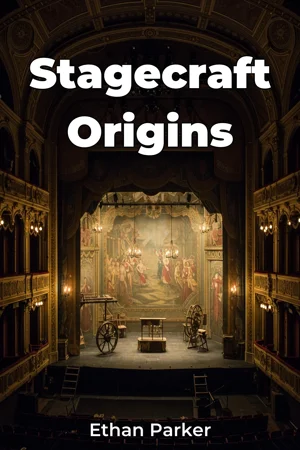
How did technological innovation transform storytelling on stage? "Stagecraft Origins" delves into the evolution of stagecraft techniques in Western theatre, examining the interplay of lighting, set design, and sound technologies from antiquity to the modern era. These elements, often considered secondary to the script and performance, are in fact crucial to the overall theatrical experience; their development has shaped the way stories are told and received, imbuing performances with greater emotional depth and visual spectacle. This book argues that the history of stagecraft is not merely a chronicle of technological advancements, but a reflection of broader cultural, social, and artistic shifts. The evolution of stagecraft mirrors the changing aesthetic sensibilities of audiences and the evolving role of theatre within society. Understanding this history offers insights into the creative processes of theatre practitioners and the audience’s ever-evolving expectations. "Stagecraft Origins" unfolds in three major parts. First, it explores the rudimentary beginnings of stagecraft in ancient Greece and Rome, focusing on the use of natural light, basic scenic devices like periaktoi, and acoustic enhancements. It will discuss how the limitations of technology shaped theatrical conventions and artistic choices. Second, the book examines the innovations of the Renaissance and Baroque periods, charting the development of perspective scenery, complex stage machinery, and the introduction of artificial lighting through candles and oil lamps. Special attention is given to the impact of these advancements on opera and courtly entertainments. The third section covers the rapid technological progress of the 19th and 20th centuries, from the advent of gas and electric lighting to the introduction of amplified sound and sophisticated set-moving equipment. This section analyzes the influence of realism, symbolism, and other modernist movements on stage design and technology. Evidence presented includes primary source materials, such as theatre manuals, architectural drawings, play scripts with stage directions, and critical reviews. It also incorporates secondary scholarship from theatre history, art history, and the history of technology. The research methodology emphasizes a contextual approach, considering the social, economic, and political factors that influenced the development and adoption of new stagecraft techniques. This book connects to other fields such as art history, examining the relationship between stage design and broader artistic movements; architectural history, exploring the design and construction of theatre buildings; and the history of technology, placing stagecraft within the larger context of technological innovation. These connections enhance the book's argument by demonstrating the interdisciplinary nature of theatre and its engagement with wider cultural trends. "Stagecraft Origins" distinguishes itself by offering a comprehensive yet accessible overview of stagecraft history, focusing not only on technological advancements but also on their artistic and cultural implications. It adopts a chronological approach, tracing the evolution of stagecraft from its earliest forms to its modern manifestations, providing a clear and coherent narrative. The target audience includes students and scholars of theatre history, design, and technology, as well as theatre practitioners and anyone interested in the history of performance. This book provides a valuable resource for understanding the historical context of contemporary stagecraft practices. As a work of non-fiction within the genres of History and Performing Arts, "Stagecraft Origins" adheres to the conventions of scholarly research, including clear sourcing, rigorous analysis, and objective presentation of information. The scope of the book is limited to Western theatre traditions, with a focus on major developments and key figures. The knowledge gained from "Stagecraft Origins" can inform contemporary theatre practice by providing designers, directors, and technicians with a deeper understanding of the historical roots of their craft. It can also enhance audience appreciation of the complexities and artistry of stage production. While this book celebrates the ingenuity and creativity of stagecraft innovators, it also acknowledges the ongoing debates about the role of technology in theatre, including the potential for technology to overshadow the human elements of performance. The book aims to contribute to these discussions by providing a historical perspective on the evolving relationship between technology and art in the theatre.
How did technological innovation transform storytelling on stage? "Stagecraft Origins" delves into the evolution of stagecraft techniques in Western theatre, examining the interplay of lighting, set design, and sound technologies from antiquity to the modern era. These elements, often considered secondary to the script and performance, are in fact crucial to the overall theatrical experience; their development has shaped the way stories are told and received, imbuing performances with greater emotional depth and visual spectacle. This book argues that the history of stagecraft is not merely a chronicle of technological advancements, but a reflection of broader cultural, social, and artistic shifts. The evolution of stagecraft mirrors the changing aesthetic sensibilities of audiences and the evolving role of theatre within society. Understanding this history offers insights into the creative processes of theatre practitioners and the audience’s ever-evolving expectations. "Stagecraft Origins" unfolds in three major parts. First, it explores the rudimentary beginnings of stagecraft in ancient Greece and Rome, focusing on the use of natural light, basic scenic devices like periaktoi, and acoustic enhancements. It will discuss how the limitations of technology shaped theatrical conventions and artistic choices. Second, the book examines the innovations of the Renaissance and Baroque periods, charting the development of perspective scenery, complex stage machinery, and the introduction of artificial lighting through candles and oil lamps. Special attention is given to the impact of these advancements on opera and courtly entertainments. The third section covers the rapid technological progress of the 19th and 20th centuries, from the advent of gas and electric lighting to the introduction of amplified sound and sophisticated set-moving equipment. This section analyzes the influence of realism, symbolism, and other modernist movements on stage design and technology. Evidence presented includes primary source materials, such as theatre manuals, architectural drawings, play scripts with stage directions, and critical reviews. It also incorporates secondary scholarship from theatre history, art history, and the history of technology. The research methodology emphasizes a contextual approach, considering the social, economic, and political factors that influenced the development and adoption of new stagecraft techniques. This book connects to other fields such as art history, examining the relationship between stage design and broader artistic movements; architectural history, exploring the design and construction of theatre buildings; and the history of technology, placing stagecraft within the larger context of technological innovation. These connections enhance the book's argument by demonstrating the interdisciplinary nature of theatre and its engagement with wider cultural trends. "Stagecraft Origins" distinguishes itself by offering a comprehensive yet accessible overview of stagecraft history, focusing not only on technological advancements but also on their artistic and cultural implications. It adopts a chronological approach, tracing the evolution of stagecraft from its earliest forms to its modern manifestations, providing a clear and coherent narrative. The target audience includes students and scholars of theatre history, design, and technology, as well as theatre practitioners and anyone interested in the history of performance. This book provides a valuable resource for understanding the historical context of contemporary stagecraft practices. As a work of non-fiction within the genres of History and Performing Arts, "Stagecraft Origins" adheres to the conventions of scholarly research, including clear sourcing, rigorous analysis, and objective presentation of information. The scope of the book is limited to Western theatre traditions, with a focus on major developments and key figures. The knowledge gained from "Stagecraft Origins" can inform contemporary theatre practice by providing designers, directors, and technicians with a deeper understanding of the historical roots of their craft. It can also enhance audience appreciation of the complexities and artistry of stage production. While this book celebrates the ingenuity and creativity of stagecraft innovators, it also acknowledges the ongoing debates about the role of technology in theatre, including the potential for technology to overshadow the human elements of performance. The book aims to contribute to these discussions by providing a historical perspective on the evolving relationship between technology and art in the theatre.
"Stagecraft Origins" explores the captivating evolution of stagecraft in Western theatre, illuminating how innovations in lighting, set design, and sound have profoundly shaped storytelling on stage. The book contends that stagecraft's progression reflects broader cultural and artistic shifts, influencing both creative practices and audience expectations. For example, the development of perspective scenery during the Renaissance dramatically altered theatrical experiences, while advancements in lighting technologies from gas to electric empowered new levels of stage realism in the 19th and 20th centuries. The book unfolds chronologically, beginning with rudimentary stagecraft in ancient Greece and Rome, and moves through the innovations of the Renaissance and Baroque periods, eventually reaching the rapid advancements of the 19th and 20th centuries. By examining primary sources like theatre manuals and architectural drawings, the book emphasizes the interplay between technology and artistic expression. This approach reveals how theatrical technology history is deeply connected to art history, architecture, and the broader history of technology, offering a comprehensive perspective on the performing arts.
Book Details
ISBN
9788235239488
Publisher
Publifye AS
Your Licenses
You don't own any licenses for this book
Purchase a license below to unlock this book and download the EPUB.
Purchase License
Select a tier to unlock this book
Need bulk licensing?
Contact us for enterprise agreements.