
About This Book
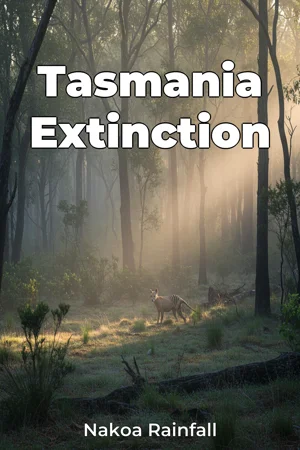
Did the demise of the Tasmanian Tiger and the near-eradication of Tasmania’s indigenous population stem from tragically interconnected roots? "Tasmania Extinction" delves into this question by examining the intertwined histories of ecological destruction and colonial violence on the island of Tasmania. This book explores the systematic persecution of the Thylacine (Tasmanian Tiger) and the indigenousPalawa people, revealing unsettling parallels in the justifications, methods, and long-term consequences of both campaigns. These topics are vital because they offer profound insights into the dynamics of colonization, the consequences of unchecked exploitation, and the urgent need for reconciliation and conservation in a rapidly changing world. The book provides extensive historical context, tracing the arrival of European settlers in the early 19th century and their subsequent impact on the island's ecosystem and indigenous society. It examines pre-colonial Palawa society, with its sophisticated land management practices, and juxtaposes it with the settlers' worldview, which prioritized resource extraction and viewed both the Thylacine and the Palawa as impediments to progress. Prior knowledge of basic Australian colonial history will be beneficial but not essential. The central argument of "Tasmania Extinction" posits that the dual extinctions in Tasmania were not isolated tragedies but rather symptoms of a deeper colonial ideology predicated on domination and control. This argument is crucial because it challenges conventional narratives of progress and highlights the ongoing legacy of colonialism in shaping environmental and social landscapes. The book is structured to explore this argument comprehensively. It begins by introducing the Thylacine and Palawa, detailing their unique characteristics and their roles within Tasmania's ecosystem and society. It then develops the historical narrative, examining the policies and practices that led to the Thylacine's extermination and the Palawa people's near-eradication, with major sections dedicated to the bounty system against the Thylacine, the "Black War" against the Palawa, and the forced relocation of indigenous survivors to reserves. The book culminates by analyzing the broader implications of these events, examining their connections to contemporary environmental issues, discourses on reconciliation, and the ongoing struggle for indigenous rights. Finally, it offers practical considerations for conservation efforts and ethical engagement with indigenous communities. The book draws on a wide range of evidence, including historical archives, government records, scientific studies, and Palawa oral histories (where available and ethically sourced). It employs historical analysis, ecological studies, and anthropological perspectives to construct a multi-faceted account of these events. Unique data sources include previously unexamined colonial correspondence detailing the rationale behind the bounty system and the perspectives of settlers involved in the conflict. "Tasmania Extinction" connects to several other fields: environmental history, postcolonial studies, and indigenous studies. By examining the intersection of ecological and social injustices, the book provides essential insights for understanding broader patterns of colonial exploitation and environmental degradation. The book's innovative approach lies in its parallel analysis of the Thylacine and Palawa experiences, revealing the underlying ideologies that fueled both tragedies. The writing style balances academic rigor with accessibility, aiming to engage both scholars and general readers interested in history, nature, and social justice. The target audience includes students, researchers, and anyone seeking a deeper understanding of Australia's colonial past and its contemporary implications. As a work of non-fiction, the book adheres to the genre's expectations of accuracy, objectivity, and thorough sourcing, while striving for a compelling narrative. The book's scope is limited to Tasmania to provide a focused and in-depth analysis of the specific dynamics at play on the island. While it acknowledges broader patterns of colonization in Australia and elsewhere, its primary focus remains on the Tasmanian context. The insights can be applied practically to inform conservation strategies, promote reconciliation efforts, and foster a more ethical and sustainable relationship with the natural world. The book engages with ongoing debates surrounding the interpretation of colonial history and the recognition of indigenous sovereignty, offering a nuanced and evidence-based perspective.
Did the demise of the Tasmanian Tiger and the near-eradication of Tasmania’s indigenous population stem from tragically interconnected roots? "Tasmania Extinction" delves into this question by examining the intertwined histories of ecological destruction and colonial violence on the island of Tasmania. This book explores the systematic persecution of the Thylacine (Tasmanian Tiger) and the indigenousPalawa people, revealing unsettling parallels in the justifications, methods, and long-term consequences of both campaigns. These topics are vital because they offer profound insights into the dynamics of colonization, the consequences of unchecked exploitation, and the urgent need for reconciliation and conservation in a rapidly changing world. The book provides extensive historical context, tracing the arrival of European settlers in the early 19th century and their subsequent impact on the island's ecosystem and indigenous society. It examines pre-colonial Palawa society, with its sophisticated land management practices, and juxtaposes it with the settlers' worldview, which prioritized resource extraction and viewed both the Thylacine and the Palawa as impediments to progress. Prior knowledge of basic Australian colonial history will be beneficial but not essential. The central argument of "Tasmania Extinction" posits that the dual extinctions in Tasmania were not isolated tragedies but rather symptoms of a deeper colonial ideology predicated on domination and control. This argument is crucial because it challenges conventional narratives of progress and highlights the ongoing legacy of colonialism in shaping environmental and social landscapes. The book is structured to explore this argument comprehensively. It begins by introducing the Thylacine and Palawa, detailing their unique characteristics and their roles within Tasmania's ecosystem and society. It then develops the historical narrative, examining the policies and practices that led to the Thylacine's extermination and the Palawa people's near-eradication, with major sections dedicated to the bounty system against the Thylacine, the "Black War" against the Palawa, and the forced relocation of indigenous survivors to reserves. The book culminates by analyzing the broader implications of these events, examining their connections to contemporary environmental issues, discourses on reconciliation, and the ongoing struggle for indigenous rights. Finally, it offers practical considerations for conservation efforts and ethical engagement with indigenous communities. The book draws on a wide range of evidence, including historical archives, government records, scientific studies, and Palawa oral histories (where available and ethically sourced). It employs historical analysis, ecological studies, and anthropological perspectives to construct a multi-faceted account of these events. Unique data sources include previously unexamined colonial correspondence detailing the rationale behind the bounty system and the perspectives of settlers involved in the conflict. "Tasmania Extinction" connects to several other fields: environmental history, postcolonial studies, and indigenous studies. By examining the intersection of ecological and social injustices, the book provides essential insights for understanding broader patterns of colonial exploitation and environmental degradation. The book's innovative approach lies in its parallel analysis of the Thylacine and Palawa experiences, revealing the underlying ideologies that fueled both tragedies. The writing style balances academic rigor with accessibility, aiming to engage both scholars and general readers interested in history, nature, and social justice. The target audience includes students, researchers, and anyone seeking a deeper understanding of Australia's colonial past and its contemporary implications. As a work of non-fiction, the book adheres to the genre's expectations of accuracy, objectivity, and thorough sourcing, while striving for a compelling narrative. The book's scope is limited to Tasmania to provide a focused and in-depth analysis of the specific dynamics at play on the island. While it acknowledges broader patterns of colonization in Australia and elsewhere, its primary focus remains on the Tasmanian context. The insights can be applied practically to inform conservation strategies, promote reconciliation efforts, and foster a more ethical and sustainable relationship with the natural world. The book engages with ongoing debates surrounding the interpretation of colonial history and the recognition of indigenous sovereignty, offering a nuanced and evidence-based perspective.
"Tasmania Extinction" explores the tragic, intertwined fates of the Tasmanian Tiger (Thylacine) and the indigenous Palawa people, arguing that their demise stemmed from the same roots of colonial violence and ecological destruction. The book uncovers unsettling parallels in how both the Thylacine and the Palawa were perceived as impediments to colonial progress, leading to systematic persecution. For instance, a bounty system encouraged the killing of Thylacines, while the "Black War" aimed to eliminate the Palawa, revealing a shared ideology of domination. Beginning with an introduction to the unique characteristics of the Thylacine and Palawa society, the book then develops a historical narrative, examining the policies and practices that led to the Thylacine's extermination and the near-eradication of the Palawa people, including forced relocations and reserves. It draws upon historical archives, government records, and oral histories to construct a multi-faceted account. The book's value lies in its parallel analysis, revealing the underlying ideologies that fueled both tragedies and offering insights into contemporary environmental issues, reconciliation, and indigenous rights. This examination offers a crucial understanding of colonial dynamics and their lasting effects on both the environment and indigenous communities. By connecting ecological and social injustices, "Tasmania Extinction" challenges conventional narratives and highlights the urgent need for conservation and ethical engagement, providing practical considerations for a more sustainable and just future.
Book Details
ISBN
9788235239419
Publisher
Publifye AS
Your Licenses
You don't own any licenses for this book
Purchase a license below to unlock this book and download the EPUB.
Purchase License
Select a tier to unlock this book
Need bulk licensing?
Contact us for enterprise agreements.