
About This Book
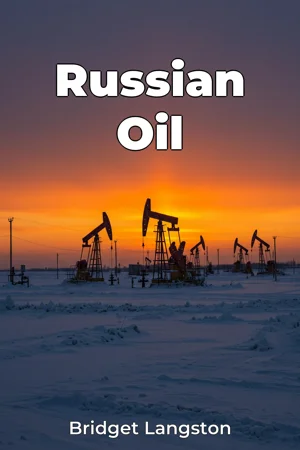
Can Russia's geopolitical power be truly understood without examining the black gold that fuels its ambitions? "Russian Oil" delves into the complex history, economic significance, and geopolitical ramifications of Russia's oil industry, dissecting its pivotal role in shaping the nation's identity and influence on the global stage. This book asserts that Russia’s modern economic and political power is inextricably linked to its oil resources, a legacy that has both empowered and constrained its development. This study is crucial because it illuminates the intersection of energy economics, political science, and international relations. Understanding Russia's oil industry is essential for policymakers, economists, and anyone interested in the dynamics of global power. The text provides the necessary context for analyzing Russia's actions in international conflicts, its relationships with other oil-producing nations, and its internal economic policies. The book chronologically examines the evolution of Russia's oil industry, starting with its nascent stages in the late 19th century, its nationalization under Soviet rule, and its transformation following the collapse of the USSR. It explores the economic impact of oil revenues on Russia’s development, covering periods of prosperity and stagnation to reveal the country's dependence on energy exports. The book analyzes the complex interplay between state-owned enterprises, private companies, and international investors in shaping the industry. "Russian Oil" is structured to guide the reader through these multifaceted aspects. The initial chapters introduce the geological factors that enabled Russia to become a major oil producer and the early historical context surrounding the development of its reserves. Subsequent sections analyze the Soviet era, focusing on the industry's role in funding the Soviet Union's industrialization and military expansion. A significant portion of the book is devoted to the post-Soviet period, examining privatization efforts, the rise of oligarchs, and the reassertion of state control under Vladimir Putin. It culminates by providing actionable intelligence on future global energy scenarios shaped by Russian oil production and policy. The arguments presented are substantiated by a wide range of sources, including statistical data from Russian government agencies, financial reports from oil companies, academic research on energy economics, and geopolitical analyses from international think tanks. The research also includes case studies of specific oil fields and pipelines, illustrating the practical challenges and strategic considerations involved in their operation. The book also makes connections to fields such as environmental studies, by examining the ecological consequences of oil extraction and transportation in Russia, and international law, by analyzing the legal frameworks governing energy contracts and disputes. It also engages with post-colonial studies, exploring how Russia's oil wealth has shaped its relationship with its former Soviet republics and other regions. A unique aspect of this book is its integrated approach, which combines economic analysis with political science and historical perspectives to offer a comprehensive view of Russia's oil industry. Rather than focusing solely on economic data or political maneuvering, it analyzes the interplay between these factors to understand the underlying dynamics. Written in a professional and accessible style, "Russian Oil" is targeted at a diverse audience, including students, researchers, policymakers, business professionals, and anyone with an interest in Russian politics, economics, or energy security. The book provides valuable insights for investors seeking to understand the risks and opportunities in the Russian energy sector, as well as for policymakers seeking to develop effective strategies for engaging with Russia on energy issues. While the book offers a broad overview of Russia's oil industry, it intentionally limits its scope by focusing primarily on crude oil production and export, rather than delving into the complexities of natural gas or refined petroleum products. It also refrains from making speculative predictions about future oil prices, focusing instead on the underlying structural factors that shape the industry. The information presented in "Russian Oil" has numerous real-world applications. It can inform investment decisions, guide policy development, enhance understanding of international relations, and provide a framework for analyzing the ongoing debates surrounding energy security, climate change, and geopolitical competition. The book engages with ongoing debates about the role of oil in shaping Russia’s foreign policy, its relationship with OPEC, and the impact of sanctions on its energy sector. It also addresses controversies surrounding environmental regulations and corporate governance within the Russian oil industry, presenting different perspectives on these complex issues.
Can Russia's geopolitical power be truly understood without examining the black gold that fuels its ambitions? "Russian Oil" delves into the complex history, economic significance, and geopolitical ramifications of Russia's oil industry, dissecting its pivotal role in shaping the nation's identity and influence on the global stage. This book asserts that Russia’s modern economic and political power is inextricably linked to its oil resources, a legacy that has both empowered and constrained its development. This study is crucial because it illuminates the intersection of energy economics, political science, and international relations. Understanding Russia's oil industry is essential for policymakers, economists, and anyone interested in the dynamics of global power. The text provides the necessary context for analyzing Russia's actions in international conflicts, its relationships with other oil-producing nations, and its internal economic policies. The book chronologically examines the evolution of Russia's oil industry, starting with its nascent stages in the late 19th century, its nationalization under Soviet rule, and its transformation following the collapse of the USSR. It explores the economic impact of oil revenues on Russia’s development, covering periods of prosperity and stagnation to reveal the country's dependence on energy exports. The book analyzes the complex interplay between state-owned enterprises, private companies, and international investors in shaping the industry. "Russian Oil" is structured to guide the reader through these multifaceted aspects. The initial chapters introduce the geological factors that enabled Russia to become a major oil producer and the early historical context surrounding the development of its reserves. Subsequent sections analyze the Soviet era, focusing on the industry's role in funding the Soviet Union's industrialization and military expansion. A significant portion of the book is devoted to the post-Soviet period, examining privatization efforts, the rise of oligarchs, and the reassertion of state control under Vladimir Putin. It culminates by providing actionable intelligence on future global energy scenarios shaped by Russian oil production and policy. The arguments presented are substantiated by a wide range of sources, including statistical data from Russian government agencies, financial reports from oil companies, academic research on energy economics, and geopolitical analyses from international think tanks. The research also includes case studies of specific oil fields and pipelines, illustrating the practical challenges and strategic considerations involved in their operation. The book also makes connections to fields such as environmental studies, by examining the ecological consequences of oil extraction and transportation in Russia, and international law, by analyzing the legal frameworks governing energy contracts and disputes. It also engages with post-colonial studies, exploring how Russia's oil wealth has shaped its relationship with its former Soviet republics and other regions. A unique aspect of this book is its integrated approach, which combines economic analysis with political science and historical perspectives to offer a comprehensive view of Russia's oil industry. Rather than focusing solely on economic data or political maneuvering, it analyzes the interplay between these factors to understand the underlying dynamics. Written in a professional and accessible style, "Russian Oil" is targeted at a diverse audience, including students, researchers, policymakers, business professionals, and anyone with an interest in Russian politics, economics, or energy security. The book provides valuable insights for investors seeking to understand the risks and opportunities in the Russian energy sector, as well as for policymakers seeking to develop effective strategies for engaging with Russia on energy issues. While the book offers a broad overview of Russia's oil industry, it intentionally limits its scope by focusing primarily on crude oil production and export, rather than delving into the complexities of natural gas or refined petroleum products. It also refrains from making speculative predictions about future oil prices, focusing instead on the underlying structural factors that shape the industry. The information presented in "Russian Oil" has numerous real-world applications. It can inform investment decisions, guide policy development, enhance understanding of international relations, and provide a framework for analyzing the ongoing debates surrounding energy security, climate change, and geopolitical competition. The book engages with ongoing debates about the role of oil in shaping Russia’s foreign policy, its relationship with OPEC, and the impact of sanctions on its energy sector. It also addresses controversies surrounding environmental regulations and corporate governance within the Russian oil industry, presenting different perspectives on these complex issues.
"Russian Oil" explores the profound impact of Russia's oil industry on its economic and political power, both domestically and on the global stage. The book argues that Russia's modern influence is deeply rooted in its vast oil resources, examining how this legacy has shaped its development and geopolitical strategies. One intriguing aspect highlighted is how oil revenues have funded the Soviet Union's industrialization and military expansion. Another key insight is the analysis of the complex relationships between state-owned enterprises, private companies, and international investors within the Russian oil sector. The book adopts an integrated approach, combining energy economics with political science and historical context to provide a comprehensive understanding. It avoids solely focusing on economic data or political maneuvers, instead analyzing their interplay. "Russian Oil" progresses chronologically, beginning with the late 19th century, moving through the Soviet era's nationalization, and culminating in the post-Soviet transformation, including the rise of oligarchs and Putin's reassertion of state control. This structure guides the reader through the multifaceted aspects of Russia's oil dominance and its implications for global energy security.
Book Details
ISBN
9788235239372
Publisher
Publifye AS
Your Licenses
You don't own any licenses for this book
Purchase a license below to unlock this book and download the EPUB.
Purchase License
Select a tier to unlock this book
Need bulk licensing?
Contact us for enterprise agreements.