
About This Book
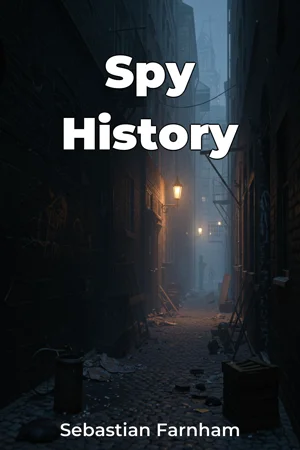
How have the shadows of espionage shaped the course of nations and defined pivotal moments in history? "Spy History" unveils the clandestine world of intelligence gathering, exploring the real-life spies, their covert operations, and the intelligence they unearthed to alter the trajectory of historical events. This book delves into the intricate web of espionage, focusing on its critical role in military history and international relations and presenting a structured overview of its impact. This book focuses on three principal elements: the evolution of spycraft across different eras, the psychological profiles of successful spies, and the ethical dilemmas inherent in intelligence work. Understanding these topics is vital because espionage has consistently influenced military strategies, diplomatic negotiations, and political outcomes. It provides a window into the hidden forces that have shaped our world. To fully appreciate the art of espionage, readers should have a basic understanding of key historical periods, such as the Cold War and World War II, as these eras represent peaks in intelligence activity and innovation. Familiarity with fundamental military concepts like strategy and tactics will also prove useful. The central argument of "Spy History" is that intelligence operations, though often shrouded in secrecy and controversy, have been indispensable tools for nations, significantly influencing the outcomes of conflicts and shaping international policy. This argument is crucial because it challenges conventional narratives of history, emphasizing the often-overlooked role of covert actions in shaping the world we inhabit. The book begins by introducing the core concepts of espionage, including tradecraft, reconnaissance, and counterintelligence. It then progresses through a chronological exploration of espionage history. Major points include: (1) examining the early forms of spying in ancient civilizations and their impact on warfare; (2) analyzing the sophisticated intelligence networks that emerged during major conflicts, such as the Napoleonic Wars and the American Civil War, and their influence on military outcomes; (3) a detailed investigation into the Cold War, highlighting the ideological battles fought in the shadows and their long-term consequences; and (4) a discussion of modern espionage, examining the impact of technology and the rise of cyber warfare. The book culminates with an analysis of the ethical considerations surrounding espionage, addressing issues of privacy, national security, and accountability. To support its arguments, "Spy History" draws upon a range of primary and secondary sources, including declassified intelligence documents, memoirs of former spies, academic research, and historical analyses. The book also incorporates case studies of notable intelligence operations, such as the Zimmermann Telegram and the Cambridge Five, illustrating the practical applications and implications of espionage. "Spy History" also connects to other fields, linking intelligence studies with political science, sociology, and ethics. These connections enhance the book's argument by providing a more holistic understanding of the role of espionage in society and its impact on human behavior. The book adopts a professional, yet narrative style, making intricate historical events more accessible. This approach allows readers to engage with complex material. "Spy History" targets a broad audience, including history enthusiasts, students of military history, and anyone fascinated by the world of espionage. It provides valuable insights into the historical context of espionage, its impact on global events, and its continuing relevance in the 21st century. As a work of military history, "Spy History" adheres to the genre's conventions of providing accurate, well-researched accounts of historical events, but it also incorporates elements of narrative non-fiction to engage readers. The scope of "Spy History" covers major espionage operations throughout world history, from ancient times to the present day. It intentionally limits its focus to state-sponsored espionage, excluding corporate or private intelligence gathering. The content offers awareness to the reader, helping them think critically about information they receive and perceive the hidden influences that shape events. The book addresses the ongoing debates surrounding the balance between national security and individual privacy, examining the controversies surrounding surveillance programs.
How have the shadows of espionage shaped the course of nations and defined pivotal moments in history? "Spy History" unveils the clandestine world of intelligence gathering, exploring the real-life spies, their covert operations, and the intelligence they unearthed to alter the trajectory of historical events. This book delves into the intricate web of espionage, focusing on its critical role in military history and international relations and presenting a structured overview of its impact. This book focuses on three principal elements: the evolution of spycraft across different eras, the psychological profiles of successful spies, and the ethical dilemmas inherent in intelligence work. Understanding these topics is vital because espionage has consistently influenced military strategies, diplomatic negotiations, and political outcomes. It provides a window into the hidden forces that have shaped our world. To fully appreciate the art of espionage, readers should have a basic understanding of key historical periods, such as the Cold War and World War II, as these eras represent peaks in intelligence activity and innovation. Familiarity with fundamental military concepts like strategy and tactics will also prove useful. The central argument of "Spy History" is that intelligence operations, though often shrouded in secrecy and controversy, have been indispensable tools for nations, significantly influencing the outcomes of conflicts and shaping international policy. This argument is crucial because it challenges conventional narratives of history, emphasizing the often-overlooked role of covert actions in shaping the world we inhabit. The book begins by introducing the core concepts of espionage, including tradecraft, reconnaissance, and counterintelligence. It then progresses through a chronological exploration of espionage history. Major points include: (1) examining the early forms of spying in ancient civilizations and their impact on warfare; (2) analyzing the sophisticated intelligence networks that emerged during major conflicts, such as the Napoleonic Wars and the American Civil War, and their influence on military outcomes; (3) a detailed investigation into the Cold War, highlighting the ideological battles fought in the shadows and their long-term consequences; and (4) a discussion of modern espionage, examining the impact of technology and the rise of cyber warfare. The book culminates with an analysis of the ethical considerations surrounding espionage, addressing issues of privacy, national security, and accountability. To support its arguments, "Spy History" draws upon a range of primary and secondary sources, including declassified intelligence documents, memoirs of former spies, academic research, and historical analyses. The book also incorporates case studies of notable intelligence operations, such as the Zimmermann Telegram and the Cambridge Five, illustrating the practical applications and implications of espionage. "Spy History" also connects to other fields, linking intelligence studies with political science, sociology, and ethics. These connections enhance the book's argument by providing a more holistic understanding of the role of espionage in society and its impact on human behavior. The book adopts a professional, yet narrative style, making intricate historical events more accessible. This approach allows readers to engage with complex material. "Spy History" targets a broad audience, including history enthusiasts, students of military history, and anyone fascinated by the world of espionage. It provides valuable insights into the historical context of espionage, its impact on global events, and its continuing relevance in the 21st century. As a work of military history, "Spy History" adheres to the genre's conventions of providing accurate, well-researched accounts of historical events, but it also incorporates elements of narrative non-fiction to engage readers. The scope of "Spy History" covers major espionage operations throughout world history, from ancient times to the present day. It intentionally limits its focus to state-sponsored espionage, excluding corporate or private intelligence gathering. The content offers awareness to the reader, helping them think critically about information they receive and perceive the hidden influences that shape events. The book addresses the ongoing debates surrounding the balance between national security and individual privacy, examining the controversies surrounding surveillance programs.
"Spy History" delves into the shadowy world of espionage, revealing how covert operations and intelligence gathering have shaped nations and defined pivotal moments in military history. It explores the evolution of spycraft, the psychology of spies, and the ethical dilemmas inherent in their work. Espionage has consistently influenced military strategies, diplomatic negotiations, and political outcomes, often challenging conventional narratives by highlighting the hidden forces at play. The book begins by introducing core concepts like tradecraft and counterintelligence, then progresses chronologically. From ancient civilizations to the Cold War and modern cyber warfare, each chapter examines espionage's impact. Intriguing examples, such as the Zimmermann Telegram, illustrate the practical implications of intelligence operations. The book emphasizes how espionage has been an indispensable tool for nations and concludes with an analysis of the ethical issues surrounding privacy, national security, and accountability.
Book Details
ISBN
9788235239228
Publisher
Publifye AS
Your Licenses
You don't own any licenses for this book
Purchase a license below to unlock this book and download the EPUB.
Purchase License
Select a tier to unlock this book
Need bulk licensing?
Contact us for enterprise agreements.