
About This Book
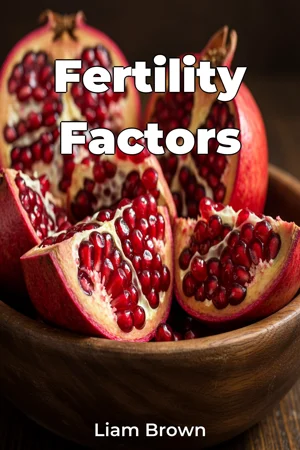
Are you struggling to understand the complexities of human fertility? This book, *Fertility Factors*, unravels the intricate web of elements that influence reproductive health, offering a comprehensive guide to understanding and navigating the challenges of conception. We delve into the key determinants of fertility, providing clarity and actionable insights for individuals and couples seeking to expand their families or simply understand their reproductive potential. This book is structured around three primary pillars: genetics, lifestyle choices, and medical conditions. Understanding these factors is crucial because they represent the areas where knowledge and proactive measures can significantly impact fertility outcomes. We explore the heritable elements that predispose individuals to certain fertility challenges, emphasizing that while genetics may set the stage, they rarely dictate destiny. Lifestyle choices, encompassing diet, exercise, stress management, and exposure to environmental toxins, are examined in detail to reveal their profound effects on reproductive function. Finally, we provide an overview of various medical conditions, from hormonal imbalances to structural abnormalities, that can impede fertility, explaining diagnostic procedures and treatment options. *Fertility Factors* provides historical context for understanding current fertility trends and challenges, noting the evolution of reproductive technologies and societal shifts that influence family planning. It integrates scientific findings from genetics, endocrinology, and reproductive medicine to provide a holistic view. Our central argument is that fertility is not a fixed state but a dynamic process influenced by a complex interplay of factors, many of which are modifiable. Understanding these influences empowers individuals to make informed decisions and take proactive steps to optimize their reproductive health. The book begins with an introduction to the fundamental concepts of reproductive physiology and genetics, establishing a foundation for understanding more complex topics. Subsequent chapters systematically address each of the key factors: genetic predispositions (including chromosomal abnormalities and single-gene mutations), lifestyle choices (such as the impact of obesity, smoking, and alcohol consumption), and medical conditions (like polycystic ovary syndrome (PCOS), endometriosis, and male factor infertility). It culminates with a discussion of assisted reproductive technologies (ART), including in vitro fertilization (IVF) and intrauterine insemination (IUI), highlighting their potential benefits and limitations. We also cover strategies for optimizing natural fertility, emphasizing evidence-based approaches. Throughout the book, we draw upon a wealth of scientific literature, including peer-reviewed studies, clinical trials, and expert opinions. We present data from large-scale epidemiological studies to illustrate the impact of lifestyle factors on fertility and interpret findings from cutting-edge genetic research. This book bridges the gap between biology and health, connecting to fields such as nutrition, environmental science, and public health. Nutrition is critical because specific dietary patterns can significantly influence hormonal balance and reproductive function. Environmental science provides context for understanding the impact of toxins on fertility. Public health perspectives help contextualize fertility trends within broader societal and demographic shifts. *Fertility Factors* adopts a balanced perspective, acknowledging both the power of medical interventions and the importance of lifestyle modifications. It strives to present information objectively, avoiding overly optimistic or pessimistic viewpoints. This book is intended for anyone seeking to understand the factors affecting fertility, including individuals planning to start a family, those facing fertility challenges, and healthcare professionals looking for a comprehensive resource. It speaks directly to the health & fitness genre by creating awareness and providing a means to improve the reader's state through knowledge. It is also valuable for students and researchers in biology and related fields. In line with the conventions of health and science writing, the book prioritizes clear, concise language and avoids jargon whenever possible. Complex scientific concepts are explained in an accessible manner, with diagrams and illustrations to enhance understanding. While striving for comprehensive coverage, the book recognizes the vastness of the field and focuses primarily on the most well-established and clinically relevant factors. It acknowledges that research is ongoing and that our understanding of fertility is constantly evolving. The information presented in *Fertility Factors* can be applied in various practical ways. Readers can use it to assess their own risk factors, make informed decisions about lifestyle changes, and communicate more effectively with their healthcare providers. The book contains checklists and questionnaires that help readers evaluate their reproductive health and explore potential avenues for intervention. Finally, the book acknowledges ongoing debates within the field, such as the optimal timing of fertility treatments and the ethical considerations surrounding genetic screening of embryos. By presenting different viewpoints and weighing the evidence, we encourage readers to engage critically with these complex issues. *Fertility Factors* aims to empower readers with the knowledge they need to become active participants in their fertility journey.
Are you struggling to understand the complexities of human fertility? This book, *Fertility Factors*, unravels the intricate web of elements that influence reproductive health, offering a comprehensive guide to understanding and navigating the challenges of conception. We delve into the key determinants of fertility, providing clarity and actionable insights for individuals and couples seeking to expand their families or simply understand their reproductive potential. This book is structured around three primary pillars: genetics, lifestyle choices, and medical conditions. Understanding these factors is crucial because they represent the areas where knowledge and proactive measures can significantly impact fertility outcomes. We explore the heritable elements that predispose individuals to certain fertility challenges, emphasizing that while genetics may set the stage, they rarely dictate destiny. Lifestyle choices, encompassing diet, exercise, stress management, and exposure to environmental toxins, are examined in detail to reveal their profound effects on reproductive function. Finally, we provide an overview of various medical conditions, from hormonal imbalances to structural abnormalities, that can impede fertility, explaining diagnostic procedures and treatment options. *Fertility Factors* provides historical context for understanding current fertility trends and challenges, noting the evolution of reproductive technologies and societal shifts that influence family planning. It integrates scientific findings from genetics, endocrinology, and reproductive medicine to provide a holistic view. Our central argument is that fertility is not a fixed state but a dynamic process influenced by a complex interplay of factors, many of which are modifiable. Understanding these influences empowers individuals to make informed decisions and take proactive steps to optimize their reproductive health. The book begins with an introduction to the fundamental concepts of reproductive physiology and genetics, establishing a foundation for understanding more complex topics. Subsequent chapters systematically address each of the key factors: genetic predispositions (including chromosomal abnormalities and single-gene mutations), lifestyle choices (such as the impact of obesity, smoking, and alcohol consumption), and medical conditions (like polycystic ovary syndrome (PCOS), endometriosis, and male factor infertility). It culminates with a discussion of assisted reproductive technologies (ART), including in vitro fertilization (IVF) and intrauterine insemination (IUI), highlighting their potential benefits and limitations. We also cover strategies for optimizing natural fertility, emphasizing evidence-based approaches. Throughout the book, we draw upon a wealth of scientific literature, including peer-reviewed studies, clinical trials, and expert opinions. We present data from large-scale epidemiological studies to illustrate the impact of lifestyle factors on fertility and interpret findings from cutting-edge genetic research. This book bridges the gap between biology and health, connecting to fields such as nutrition, environmental science, and public health. Nutrition is critical because specific dietary patterns can significantly influence hormonal balance and reproductive function. Environmental science provides context for understanding the impact of toxins on fertility. Public health perspectives help contextualize fertility trends within broader societal and demographic shifts. *Fertility Factors* adopts a balanced perspective, acknowledging both the power of medical interventions and the importance of lifestyle modifications. It strives to present information objectively, avoiding overly optimistic or pessimistic viewpoints. This book is intended for anyone seeking to understand the factors affecting fertility, including individuals planning to start a family, those facing fertility challenges, and healthcare professionals looking for a comprehensive resource. It speaks directly to the health & fitness genre by creating awareness and providing a means to improve the reader's state through knowledge. It is also valuable for students and researchers in biology and related fields. In line with the conventions of health and science writing, the book prioritizes clear, concise language and avoids jargon whenever possible. Complex scientific concepts are explained in an accessible manner, with diagrams and illustrations to enhance understanding. While striving for comprehensive coverage, the book recognizes the vastness of the field and focuses primarily on the most well-established and clinically relevant factors. It acknowledges that research is ongoing and that our understanding of fertility is constantly evolving. The information presented in *Fertility Factors* can be applied in various practical ways. Readers can use it to assess their own risk factors, make informed decisions about lifestyle changes, and communicate more effectively with their healthcare providers. The book contains checklists and questionnaires that help readers evaluate their reproductive health and explore potential avenues for intervention. Finally, the book acknowledges ongoing debates within the field, such as the optimal timing of fertility treatments and the ethical considerations surrounding genetic screening of embryos. By presenting different viewpoints and weighing the evidence, we encourage readers to engage critically with these complex issues. *Fertility Factors* aims to empower readers with the knowledge they need to become active participants in their fertility journey.
*Fertility Factors* explores the multifaceted influences on reproductive health, offering insights into genetics, lifestyle choices, and medical conditions. This comprehensive guide is for those seeking to understand or improve their fertility potential. The book examines how inheritable elements can predispose individuals to certain fertility challenges, while emphasizing that lifestyle choices, such as diet and stress management, have significant impacts. Readers will also discover how medical conditions, like hormonal imbalances, can affect fertility. The book takes a systematic approach, beginning with reproductive physiology and genetics, then progresses to discuss genetic predispositions, lifestyle impacts (like obesity and smoking), and medical conditions such as PCOS and endometriosis. Notably, it also addresses assisted reproductive technologies like IVF and IUI, highlighting their benefits and limitations. Did you know that specific dietary patterns can significantly influence hormonal balance and reproductive function, or that environmental toxins can also impact fertility? The book integrates scientific findings to provide a holistic view, bridging biology with health. It emphasizes actionable insights useful for assessing risk factors, making informed decisions, and communicating effectively with healthcare providers, making it valuable for anyone interested in health & fitness, biology, or reproductive medicine. The book aims to empower readers with the knowledge to actively participate in their fertility journey.
Book Details
ISBN
9788235239044
Publisher
Publifye AS
Your Licenses
You don't own any licenses for this book
Purchase a license below to unlock this book and download the EPUB.
Purchase License
Select a tier to unlock this book
Need bulk licensing?
Contact us for enterprise agreements.