
About This Book
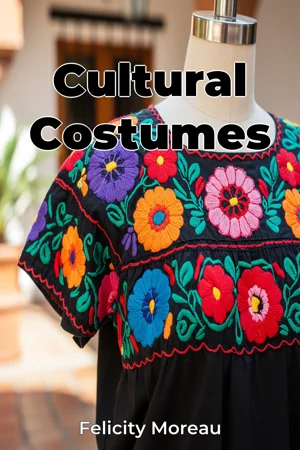
Have you ever considered the stories woven into the fabric of our celebrations? *Cultural Costumes* explores the rich tapestry of traditional clothing worn worldwide during significant events, revealing how these garments embody history, identity, and artistic expression. This book delves into the meaning behind ceremonial attire, from Japan's vibrant kimono to Mexico's intricately embroidered dresses, and many others, illuminating the cultural narratives embedded in each thread. This book centers on three key themes: the historical evolution of celebratory garments, the role of these costumes in expressing cultural identity, and the craftsmanship involved in their creation. Understanding these themes is crucial, as they provide insight into the ways societies preserve their heritage, communicate values, and showcase artistic skill. In many cultures, traditional clothing is not merely decorative; it is a living archive of history, social structure, and spiritual beliefs. Historically, clothing has served as a marker of social status, occupation, and regional affiliation. The development of traditional celebratory garments often mirrors a culture’s historical trajectory, influenced by trade, migration, and technological advancements. This book will provide the historical context necessary to understand the evolution and significance of the featured costumes. Readers will gain a greater appreciation for the depth of history woven into each garment. *Cultural Costumes* argues that traditional celebratory attire serves as a powerful medium for preserving and expressing cultural heritage in a rapidly globalizing world. This argument is important because it highlights the enduring relevance of material culture in maintaining cultural identities and promoting cross-cultural understanding. The book begins by introducing the concept of celebratory attire as a form of cultural expression and exploring the historical roots of various traditions. It then develops this idea through several major sections. First, we explore Asian traditions such as the Japanese kimono, Korean hanbok, and Chinese qipao, detailing the symbolism, social significance, and techniques used in their creation. Second, we examine the diverse clothing traditions of the Americas, focusing on the embroidered dresses of Mexico, the vibrant textiles of Peru, and the ceremonial garb of indigenous North American tribes. Finally, we analyze clothing traditions from Africa and Europe. The final section synthesizes the preceding discussions, exploring applications in cultural preservation and appreciation, highlighting the role of these garments in fostering intercultural dialogue and promoting responsible cultural tourism. The arguments presented in *Cultural Costumes* rely on a wide range of evidence, including historical texts, ethnographic studies, museum collections, and interviews with artisans. The book uses detailed photographs and illustrations to showcase the craftsmanship and artistry involved in creating these garments. This book connects to broader fields such as anthropology, sociology, and art history, providing a multidisciplinary perspective on the study of material culture. Furthermore, the book offers a unique approach by combining historical analysis with detailed visual documentation and personal narratives from artisans and wearers. The writing style will be accessible and engaging, aiming to inform and inspire a broad audience. The target audience includes students of history, art, and cultural studies, as well as anyone interested in learning more about the world's diverse traditions. The book is valuable to them because it provides a comprehensive and visually rich introduction to the topic of celebratory attire, offering insights into the cultural significance of these garments. As a work of non-fiction, *Cultural Costumes* adheres to the genre's expectations of accuracy, objectivity, and thorough research. The book's scope is intentionally broad, covering a wide range of cultural traditions to provide a global perspective. However, it does not delve deeply into the specific subcultures or regional variations within each tradition. The information presented in this book can be applied practically by readers in various ways, such as informing their travel choices, enhancing their appreciation of cultural events, and promoting responsible consumption of cultural goods. While the book strives to present a balanced and nuanced view of these traditions, there are ongoing debates about cultural appropriation and the commercialization of cultural heritage. The book acknowledges these debates and encourages readers to engage with them critically.
Have you ever considered the stories woven into the fabric of our celebrations? *Cultural Costumes* explores the rich tapestry of traditional clothing worn worldwide during significant events, revealing how these garments embody history, identity, and artistic expression. This book delves into the meaning behind ceremonial attire, from Japan's vibrant kimono to Mexico's intricately embroidered dresses, and many others, illuminating the cultural narratives embedded in each thread. This book centers on three key themes: the historical evolution of celebratory garments, the role of these costumes in expressing cultural identity, and the craftsmanship involved in their creation. Understanding these themes is crucial, as they provide insight into the ways societies preserve their heritage, communicate values, and showcase artistic skill. In many cultures, traditional clothing is not merely decorative; it is a living archive of history, social structure, and spiritual beliefs. Historically, clothing has served as a marker of social status, occupation, and regional affiliation. The development of traditional celebratory garments often mirrors a culture’s historical trajectory, influenced by trade, migration, and technological advancements. This book will provide the historical context necessary to understand the evolution and significance of the featured costumes. Readers will gain a greater appreciation for the depth of history woven into each garment. *Cultural Costumes* argues that traditional celebratory attire serves as a powerful medium for preserving and expressing cultural heritage in a rapidly globalizing world. This argument is important because it highlights the enduring relevance of material culture in maintaining cultural identities and promoting cross-cultural understanding. The book begins by introducing the concept of celebratory attire as a form of cultural expression and exploring the historical roots of various traditions. It then develops this idea through several major sections. First, we explore Asian traditions such as the Japanese kimono, Korean hanbok, and Chinese qipao, detailing the symbolism, social significance, and techniques used in their creation. Second, we examine the diverse clothing traditions of the Americas, focusing on the embroidered dresses of Mexico, the vibrant textiles of Peru, and the ceremonial garb of indigenous North American tribes. Finally, we analyze clothing traditions from Africa and Europe. The final section synthesizes the preceding discussions, exploring applications in cultural preservation and appreciation, highlighting the role of these garments in fostering intercultural dialogue and promoting responsible cultural tourism. The arguments presented in *Cultural Costumes* rely on a wide range of evidence, including historical texts, ethnographic studies, museum collections, and interviews with artisans. The book uses detailed photographs and illustrations to showcase the craftsmanship and artistry involved in creating these garments. This book connects to broader fields such as anthropology, sociology, and art history, providing a multidisciplinary perspective on the study of material culture. Furthermore, the book offers a unique approach by combining historical analysis with detailed visual documentation and personal narratives from artisans and wearers. The writing style will be accessible and engaging, aiming to inform and inspire a broad audience. The target audience includes students of history, art, and cultural studies, as well as anyone interested in learning more about the world's diverse traditions. The book is valuable to them because it provides a comprehensive and visually rich introduction to the topic of celebratory attire, offering insights into the cultural significance of these garments. As a work of non-fiction, *Cultural Costumes* adheres to the genre's expectations of accuracy, objectivity, and thorough research. The book's scope is intentionally broad, covering a wide range of cultural traditions to provide a global perspective. However, it does not delve deeply into the specific subcultures or regional variations within each tradition. The information presented in this book can be applied practically by readers in various ways, such as informing their travel choices, enhancing their appreciation of cultural events, and promoting responsible consumption of cultural goods. While the book strives to present a balanced and nuanced view of these traditions, there are ongoing debates about cultural appropriation and the commercialization of cultural heritage. The book acknowledges these debates and encourages readers to engage with them critically.
*Cultural Costumes* explores the world's vibrant traditional clothing, revealing the history, cultural identity, and artistry woven into celebratory attire. From the Japanese kimono to the embroidered dresses of Mexico, these garments are more than mere decoration; they are living archives reflecting a culture's history, social structure, and beliefs. Traditional clothing often serves as a marker of social status and regional affiliation, its evolution mirroring a culture's historical journey, shaped by trade, migration, and technology. This book argues that celebratory attire is a powerful medium for preserving cultural heritage in a globalizing world, highlighting the enduring relevance of material culture. The book begins by introducing celebratory attire as cultural expression. It then explores Asian traditions like the kimono, hanbok, and qipao before moving to the Americas, focusing on Mexican embroidered dresses and indigenous North American ceremonial garb. The book concludes with an analysis of clothing traditions from Africa and Europe, emphasizing cultural preservation and intercultural dialogue. Using historical texts, ethnographic studies, and museum collections, *Cultural Costumes* offers a multidisciplinary perspective, combining historical analysis with visual documentation and personal narratives. This approach provides a comprehensive and visually rich introduction to celebratory attire, making it valuable for students of history, art, and cultural studies, as well as anyone interested in diverse traditions.
Book Details
ISBN
9788235239037
Publisher
Publifye AS
Your Licenses
You don't own any licenses for this book
Purchase a license below to unlock this book and download the EPUB.
Purchase License
Select a tier to unlock this book
Need bulk licensing?
Contact us for enterprise agreements.