
About This Book
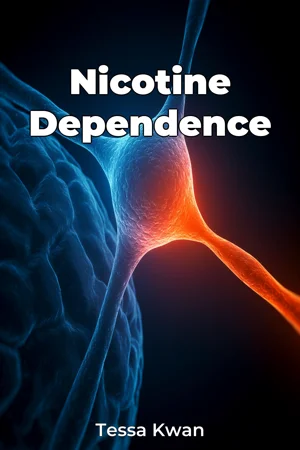
Why do so many individuals struggle to break free from nicotine's grasp, despite knowing its detrimental health effects? This book, "Nicotine Dependence," delves into the multifaceted nature of nicotine addiction, exploring the biological, psychological, and social factors that contribute to its tenacious hold and the difficulties encountered during cessation. It is written within the genres of Health & Fitness, Psychology, and Health Fitness. The book's central argument is that nicotine dependence is not simply a matter of willpower but a complex interplay of neurobiological mechanisms, learned behaviors, and environmental influences. Understanding this intricate relationship is crucial for developing effective prevention and treatment strategies. We aim to demystify the science of addiction and empower readers with knowledge to navigate the challenges of nicotine cessation. This exploration begins by establishing a necessary context surrounding nicotine, tracing its historical use, and highlighting its prevalence in modern society. We establish a foundation in basic neurobiology, ensuring that readers understand how nicotine interacts with the brain's reward pathways. Building upon this foundation, the book systematically examines the key components of nicotine dependence. The first major section elucidates the neurobiological basis of nicotine addiction, detailing how nicotine affects dopamine release in the brain, creating a pleasurable sensation that reinforces continued use. It explores the role of nicotine receptors and the development of tolerance, wherein the brain adapts to chronic nicotine exposure, requiring increasing doses to achieve the same effect. We also discuss the genetic predispositions that may make some individuals more susceptible to nicotine addiction than others. Secondly, the book investigates the psychological and behavioral aspects of nicotine dependence. It examines the role of classical and operant conditioning in associating smoking or vaping with specific cues and situations, creating powerful urges and cravings. It also delves into the cognitive processes involved in addiction, such as attentional bias, where individuals become hyper-focused on smoking-related stimuli, and cognitive dissonance, where they rationalize their nicotine use despite awareness of its harms. Stress, anxiety, and depression are examined as significant co-factors that exacerbate nicotine dependence. Thirdly, the book addresses the social and environmental influences on nicotine use. It examines how social norms, peer pressure, and marketing tactics contribute to initiation and maintenance of smoking or vaping behavior. The book also explores the impact of tobacco control policies, such as taxation, advertising restrictions, and smoke-free laws, on reducing nicotine consumption. The book draws upon a wide range of evidence-based research, including neuroimaging studies, clinical trials, and epidemiological surveys. It synthesizes findings from neuroscience, psychology, public health, and behavioral economics to provide a holistic understanding of nicotine dependence. We analyze data from large-scale population studies to reveal trends in nicotine use and the effectiveness of various interventions. "Nicotine Dependence" is designed for a broad audience, including healthcare professionals, addiction specialists, educators, individuals struggling with nicotine addiction, and anyone interested in understanding the science of addiction. It uses accessible language and avoids technical jargon, while maintaining scientific rigor. The book recognizes that nicotine dependence is a complex issue with no easy solutions. While offering insights into effective treatment strategies, including pharmacotherapy and behavioral therapies, it acknowledges the limitations of existing approaches and the need for continued research and innovation. Practical applications will be discussed, such as personalized cessation plans, relapse prevention techniques, and strategies for managing withdrawal symptoms. The tone adopted throughout the book is unbiased and informative, focusing on presenting the facts in an accessible format. Ethical concerns and controversies surrounding tobacco control policies and nicotine replacement therapies are also addressed with balance. The scope of the book is deliberately focused on nicotine dependence, without delving extensively into the broader issues of substance abuse or addiction to other drugs. This allows for a more in-depth exploration of the specific mechanisms and challenges associated with nicotine addiction. Ultimately, "Nicotine Dependence" aims to provide readers with a comprehensive and evidence-based understanding of this widespread addiction, equipping them with the knowledge and tools to make informed decisions about their health and well-being.
Why do so many individuals struggle to break free from nicotine's grasp, despite knowing its detrimental health effects? This book, "Nicotine Dependence," delves into the multifaceted nature of nicotine addiction, exploring the biological, psychological, and social factors that contribute to its tenacious hold and the difficulties encountered during cessation. It is written within the genres of Health & Fitness, Psychology, and Health Fitness. The book's central argument is that nicotine dependence is not simply a matter of willpower but a complex interplay of neurobiological mechanisms, learned behaviors, and environmental influences. Understanding this intricate relationship is crucial for developing effective prevention and treatment strategies. We aim to demystify the science of addiction and empower readers with knowledge to navigate the challenges of nicotine cessation. This exploration begins by establishing a necessary context surrounding nicotine, tracing its historical use, and highlighting its prevalence in modern society. We establish a foundation in basic neurobiology, ensuring that readers understand how nicotine interacts with the brain's reward pathways. Building upon this foundation, the book systematically examines the key components of nicotine dependence. The first major section elucidates the neurobiological basis of nicotine addiction, detailing how nicotine affects dopamine release in the brain, creating a pleasurable sensation that reinforces continued use. It explores the role of nicotine receptors and the development of tolerance, wherein the brain adapts to chronic nicotine exposure, requiring increasing doses to achieve the same effect. We also discuss the genetic predispositions that may make some individuals more susceptible to nicotine addiction than others. Secondly, the book investigates the psychological and behavioral aspects of nicotine dependence. It examines the role of classical and operant conditioning in associating smoking or vaping with specific cues and situations, creating powerful urges and cravings. It also delves into the cognitive processes involved in addiction, such as attentional bias, where individuals become hyper-focused on smoking-related stimuli, and cognitive dissonance, where they rationalize their nicotine use despite awareness of its harms. Stress, anxiety, and depression are examined as significant co-factors that exacerbate nicotine dependence. Thirdly, the book addresses the social and environmental influences on nicotine use. It examines how social norms, peer pressure, and marketing tactics contribute to initiation and maintenance of smoking or vaping behavior. The book also explores the impact of tobacco control policies, such as taxation, advertising restrictions, and smoke-free laws, on reducing nicotine consumption. The book draws upon a wide range of evidence-based research, including neuroimaging studies, clinical trials, and epidemiological surveys. It synthesizes findings from neuroscience, psychology, public health, and behavioral economics to provide a holistic understanding of nicotine dependence. We analyze data from large-scale population studies to reveal trends in nicotine use and the effectiveness of various interventions. "Nicotine Dependence" is designed for a broad audience, including healthcare professionals, addiction specialists, educators, individuals struggling with nicotine addiction, and anyone interested in understanding the science of addiction. It uses accessible language and avoids technical jargon, while maintaining scientific rigor. The book recognizes that nicotine dependence is a complex issue with no easy solutions. While offering insights into effective treatment strategies, including pharmacotherapy and behavioral therapies, it acknowledges the limitations of existing approaches and the need for continued research and innovation. Practical applications will be discussed, such as personalized cessation plans, relapse prevention techniques, and strategies for managing withdrawal symptoms. The tone adopted throughout the book is unbiased and informative, focusing on presenting the facts in an accessible format. Ethical concerns and controversies surrounding tobacco control policies and nicotine replacement therapies are also addressed with balance. The scope of the book is deliberately focused on nicotine dependence, without delving extensively into the broader issues of substance abuse or addiction to other drugs. This allows for a more in-depth exploration of the specific mechanisms and challenges associated with nicotine addiction. Ultimately, "Nicotine Dependence" aims to provide readers with a comprehensive and evidence-based understanding of this widespread addiction, equipping them with the knowledge and tools to make informed decisions about their health and well-being.
"Nicotine Dependence" explores the complex interplay of biological, psychological, and social factors driving nicotine addiction. It highlights how nicotine impacts the brain's reward pathways, triggering dopamine release and reinforcing continued use. The book emphasizes that overcoming nicotine dependence involves more than just willpower, delving into how learned behaviors and environmental cues contribute to cravings and relapse. Readers gain insights into the neurobiology of addiction, the role of conditioning, and the influence of social norms. The book progresses from the neurobiological underpinnings of nicotine addiction to the psychological and behavioral aspects, and finally, the social and environmental influences on nicotine use. For example, it examines how stress and anxiety can exacerbate dependence. It also addresses tobacco control policies and their impact on reducing nicotine consumption. This comprehensive approach arms individuals with the knowledge to navigate cessation challenges and understand treatment strategies. By synthesizing research from neuroscience, psychology, and public health, this book aims to demystify nicotine addiction for healthcare professionals, educators, and individuals seeking to break free from nicotine's grasp. It offers a balanced view of treatment options, relapse prevention, and the controversies surrounding tobacco control, all while maintaining an accessible and informative tone.
Book Details
ISBN
9788235238993
Publisher
Publifye AS
Your Licenses
You don't own any licenses for this book
Purchase a license below to unlock this book and download the EPUB.
Purchase License
Select a tier to unlock this book
Need bulk licensing?
Contact us for enterprise agreements.