
About This Book
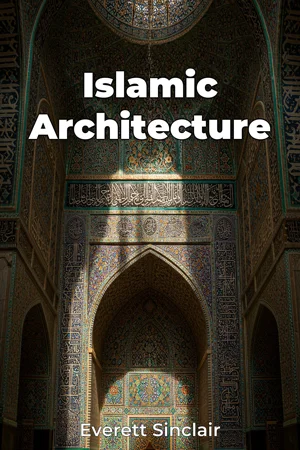
How did a new faith, originating in the deserts of Arabia, give rise to an architectural legacy that continues to inspire awe and wonder centuries later? *Islamic Architecture* explores the evolution of building design and urban planning across the Middle East, revealing how mosques, palaces, and civic structures became powerful symbols of Islamic civilization's intellectual, spiritual, and political achievements. The book focuses on the period spanning from the 7th to the 16th centuries, a formative era that witnessed the rise of iconic architectural forms and innovative construction techniques. This study considers two key themes: the adaptation of pre-existing architectural traditions and the development of uniquely Islamic styles. Early Islamic architects skillfully integrated elements from Roman, Byzantine, and Persian designs, modifying them to reflect Islamic values and functional needs. This process led to the emergence of distinctive features such as the mihrab (niche indicating the direction of Mecca), the minaret (tower for the call to prayer), and the geometric patterns that adorn surfaces. The book further examines the critical role of patronage in shaping architectural output. Caliphs, sultans, and wealthy merchants invested heavily in building projects to demonstrate their power, piety, and commitment to cultural development. These commissions resulted in the construction of grand mosques, opulent palaces, and extensive urban infrastructure that transformed cities into vibrant centers of learning and trade. This book argues that Islamic architecture is more than just a collection of beautiful buildings; it is a tangible expression of a complex and dynamic civilization. It reflects the intellectual curiosity, religious fervor, and artistic creativity that characterized the Islamic world. The book's structure begins with an introduction to the historical and religious context in which Islamic architecture emerged. It then examines the development of mosque design, tracing its evolution from simple prayer halls to elaborate complexes with courtyards, domes, and minarets. Subsequent chapters analyze the architectural features of palaces, exploring the ways in which rulers used these structures to project their authority and create spaces for courtly life. Finally, the book addresses urban planning, considering how Islamic principles of order, community, and sustainability influenced the design of cities. The analysis draws on a range of primary and secondary sources, including extant buildings, archaeological findings, historical texts, and architectural drawings. Attention is given to the social and economic factors that shaped architectural production. The book also connects to other fields such as art history, religious studies, and urban studies, offering insights into the broader cultural context of Islamic architecture. A unique strength of this book lies in its emphasis on regional variations within Islamic architecture. Rather than presenting a monolithic picture, it explores the diverse styles that emerged in different parts of the Middle East. The tone is academic yet accessible, making the material engaging for both scholars and general readers with an interest in architecture, history, and Islamic culture. It will particularly appeal to university students, architectural historians, and travelers seeking a deeper understanding of the built environment in the Middle East. Recognizing the vast scope of Islamic architecture, this book focuses specifically on the Middle East, setting aside developments in regions such as North Africa, Spain, and South Asia for separate consideration. The book will address the ongoing debates surrounding the interpretation of Islamic architectural forms and the extent to which they reflect religious or cultural influences. The principles of sustainable design evident in many historical Islamic buildings provide valuable lessons for contemporary architects seeking to create environmentally responsible structures. This exploration of *Islamic Architecture* aims to offer a new perspective on the rich artistic and cultural heritage of the Islamic world by analyzing its most enduring physical legacy.
How did a new faith, originating in the deserts of Arabia, give rise to an architectural legacy that continues to inspire awe and wonder centuries later? *Islamic Architecture* explores the evolution of building design and urban planning across the Middle East, revealing how mosques, palaces, and civic structures became powerful symbols of Islamic civilization's intellectual, spiritual, and political achievements. The book focuses on the period spanning from the 7th to the 16th centuries, a formative era that witnessed the rise of iconic architectural forms and innovative construction techniques. This study considers two key themes: the adaptation of pre-existing architectural traditions and the development of uniquely Islamic styles. Early Islamic architects skillfully integrated elements from Roman, Byzantine, and Persian designs, modifying them to reflect Islamic values and functional needs. This process led to the emergence of distinctive features such as the mihrab (niche indicating the direction of Mecca), the minaret (tower for the call to prayer), and the geometric patterns that adorn surfaces. The book further examines the critical role of patronage in shaping architectural output. Caliphs, sultans, and wealthy merchants invested heavily in building projects to demonstrate their power, piety, and commitment to cultural development. These commissions resulted in the construction of grand mosques, opulent palaces, and extensive urban infrastructure that transformed cities into vibrant centers of learning and trade. This book argues that Islamic architecture is more than just a collection of beautiful buildings; it is a tangible expression of a complex and dynamic civilization. It reflects the intellectual curiosity, religious fervor, and artistic creativity that characterized the Islamic world. The book's structure begins with an introduction to the historical and religious context in which Islamic architecture emerged. It then examines the development of mosque design, tracing its evolution from simple prayer halls to elaborate complexes with courtyards, domes, and minarets. Subsequent chapters analyze the architectural features of palaces, exploring the ways in which rulers used these structures to project their authority and create spaces for courtly life. Finally, the book addresses urban planning, considering how Islamic principles of order, community, and sustainability influenced the design of cities. The analysis draws on a range of primary and secondary sources, including extant buildings, archaeological findings, historical texts, and architectural drawings. Attention is given to the social and economic factors that shaped architectural production. The book also connects to other fields such as art history, religious studies, and urban studies, offering insights into the broader cultural context of Islamic architecture. A unique strength of this book lies in its emphasis on regional variations within Islamic architecture. Rather than presenting a monolithic picture, it explores the diverse styles that emerged in different parts of the Middle East. The tone is academic yet accessible, making the material engaging for both scholars and general readers with an interest in architecture, history, and Islamic culture. It will particularly appeal to university students, architectural historians, and travelers seeking a deeper understanding of the built environment in the Middle East. Recognizing the vast scope of Islamic architecture, this book focuses specifically on the Middle East, setting aside developments in regions such as North Africa, Spain, and South Asia for separate consideration. The book will address the ongoing debates surrounding the interpretation of Islamic architectural forms and the extent to which they reflect religious or cultural influences. The principles of sustainable design evident in many historical Islamic buildings provide valuable lessons for contemporary architects seeking to create environmentally responsible structures. This exploration of *Islamic Architecture* aims to offer a new perspective on the rich artistic and cultural heritage of the Islamic world by analyzing its most enduring physical legacy.
*Islamic Architecture* explores the development of building design and urban planning across the Middle East from the 7th to the 16th centuries, showcasing how mosques, palaces, and other structures became potent representations of Islamic civilization. Examining the adaptation of pre-existing traditions alongside the creation of uniquely Islamic styles, the book highlights the integration of Roman, Byzantine, and Persian elements. Early Islamic architects skillfully modified these forms to reflect Islamic values, leading to the development of distinctive features like the mihrab and minaret. The book emphasizes that Islamic architecture embodies more than just aesthetics; it is a tangible expression of a dynamic civilization's intellectual curiosity and artistic creativity. It traces the evolution of mosque design, analyzes palace architecture as a projection of authority, and considers how Islamic principles influenced urban planning. By examining extant buildings, historical texts, and architectural drawings, the book provides valuable insights into the social, economic, and cultural context of Islamic architectural history.
Book Details
ISBN
9788235238863
Publisher
Publifye AS
Your Licenses
You don't own any licenses for this book
Purchase a license below to unlock this book and download the EPUB.
Purchase License
Select a tier to unlock this book
Need bulk licensing?
Contact us for enterprise agreements.