
About This Book
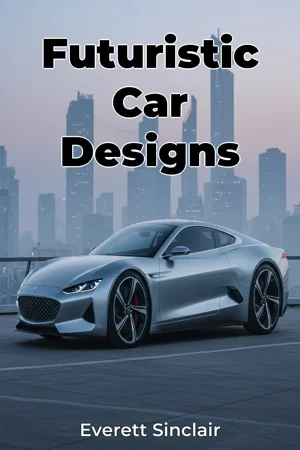
Ever wondered how the cars of tomorrow are being designed today? "Futuristic Car Designs" explores the innovative realm of concept cars and their profound influence on the future of automotive technology. This book delves into the creative processes, technological advancements, and societal impacts that drive the evolution of vehicle design. This book examines three key concepts. First, it analyzes the design philosophies behind concept cars, moving beyond mere aesthetics to explore the underlying principles of functionality, sustainability, and user experience. Second, it dissects the cutting-edge technologies—such as advanced materials, autonomous driving systems, and alternative energy sources—integrated into these prototypes. Finally, it assesses the broader implications of these designs on urban planning, environmental policy, and our relationship with personal transportation. The exploration is important because concept cars are not just design exercises; they are tangible explorations of future possibilities, influencing both industry trends and public perception. Understanding the trajectory of automotive design requires historical context. The book traces the evolution of concept cars from the streamlined fantasies of the mid-20th century to the digitally integrated, eco-conscious designs of today. It contextualizes these developments within the broader social and technological landscapes, highlighting how factors like environmental awareness and technological breakthroughs shape design priorities. No specific prerequisite knowledge is needed. The central argument of "Futuristic Car Designs" is that concept cars serve as crucial catalysts for innovation in the automotive industry, accelerating the adoption of new technologies and shaping consumer expectations. This argument is important because it challenges the perception of concept cars as mere marketing ploys, positioning them instead as vital instruments of progress. The book's structure systematically unfolds to support this argument. It begins by introducing the fundamental concepts of automotive design, emphasizing the role of creativity, engineering, and market research. The subsequent sections focus on key areas: a) The evolution of design aesthetics, from aerodynamic forms to minimalist interiors. b) The integration of emerging technologies, such as electric powertrains, augmented reality displays, and biometric sensors. c) The impact of concept cars on sustainability, urban mobility, and driverless technology. The culmination of these points underscores the importance of concept cars in anticipating the future of personal transportation. Evidence is presented through detailed case studies of influential concept cars, technical specifications of innovative technologies, and expert interviews with leading automotive designers and engineers. The research draws on a variety of sources, including design archives, industry publications, and proprietary data from automotive manufacturers. Interdisciplinary connections enhance the book's insights. First, it interfaces with the field of material science, highlighting the role of advanced polymers and composites in creating lighter, more efficient vehicles. Second, it intersects with urban planning, exploring how autonomous vehicles and shared mobility services can reshape cities. Third, it connects with environmental science, examining the potential of electric and hydrogen-powered cars to reduce emissions and mitigate climate change. "Futuristic Car Designs" distinguishes itself through its comprehensive coverage of both the aesthetic and technological aspects of concept car design. It offers a balanced perspective, recognizing the importance of both form and function in shaping the future of transportation. The book adopts a professional, informative tone, avoiding overly technical jargon while maintaining precision and accuracy. The writing style is accessible to a broad audience, blending technical details with engaging narratives and visual examples. The target audience includes automotive enthusiasts, design students, engineers, and anyone interested in the future of transportation. It provides valuable insights for professionals working in the automotive industry, as well as a stimulating read for anyone who wants to understand how design thinking shapes the world around us. As a work in the 'Design' and 'Technology' genres, the book includes high-quality images and illustrations to showcase the visual aspects of concept car design. It also provides technical specifications and performance data to support its arguments. The scope of the book encompasses a global overview of concept car design, with examples from manufacturers in North America, Europe, and Asia. However, it intentionally limits its focus to passenger vehicles, excluding commercial trucks and buses. The information in the book can be applied practically by readers in several ways. Automotive designers can draw inspiration from the case studies and design analyses. Engineers can learn about the latest technological advancements and their potential applications. Policymakers can gain insights into the societal implications of new vehicle technologies. The book acknowledges that there are ongoing debates in the field, such as the role of autonomous vehicles in reducing traffic congestion and the environmental impact of electric car battery production. It presents different perspectives on these issues, encouraging readers to form their own informed opinions.
Ever wondered how the cars of tomorrow are being designed today? "Futuristic Car Designs" explores the innovative realm of concept cars and their profound influence on the future of automotive technology. This book delves into the creative processes, technological advancements, and societal impacts that drive the evolution of vehicle design. This book examines three key concepts. First, it analyzes the design philosophies behind concept cars, moving beyond mere aesthetics to explore the underlying principles of functionality, sustainability, and user experience. Second, it dissects the cutting-edge technologies—such as advanced materials, autonomous driving systems, and alternative energy sources—integrated into these prototypes. Finally, it assesses the broader implications of these designs on urban planning, environmental policy, and our relationship with personal transportation. The exploration is important because concept cars are not just design exercises; they are tangible explorations of future possibilities, influencing both industry trends and public perception. Understanding the trajectory of automotive design requires historical context. The book traces the evolution of concept cars from the streamlined fantasies of the mid-20th century to the digitally integrated, eco-conscious designs of today. It contextualizes these developments within the broader social and technological landscapes, highlighting how factors like environmental awareness and technological breakthroughs shape design priorities. No specific prerequisite knowledge is needed. The central argument of "Futuristic Car Designs" is that concept cars serve as crucial catalysts for innovation in the automotive industry, accelerating the adoption of new technologies and shaping consumer expectations. This argument is important because it challenges the perception of concept cars as mere marketing ploys, positioning them instead as vital instruments of progress. The book's structure systematically unfolds to support this argument. It begins by introducing the fundamental concepts of automotive design, emphasizing the role of creativity, engineering, and market research. The subsequent sections focus on key areas: a) The evolution of design aesthetics, from aerodynamic forms to minimalist interiors. b) The integration of emerging technologies, such as electric powertrains, augmented reality displays, and biometric sensors. c) The impact of concept cars on sustainability, urban mobility, and driverless technology. The culmination of these points underscores the importance of concept cars in anticipating the future of personal transportation. Evidence is presented through detailed case studies of influential concept cars, technical specifications of innovative technologies, and expert interviews with leading automotive designers and engineers. The research draws on a variety of sources, including design archives, industry publications, and proprietary data from automotive manufacturers. Interdisciplinary connections enhance the book's insights. First, it interfaces with the field of material science, highlighting the role of advanced polymers and composites in creating lighter, more efficient vehicles. Second, it intersects with urban planning, exploring how autonomous vehicles and shared mobility services can reshape cities. Third, it connects with environmental science, examining the potential of electric and hydrogen-powered cars to reduce emissions and mitigate climate change. "Futuristic Car Designs" distinguishes itself through its comprehensive coverage of both the aesthetic and technological aspects of concept car design. It offers a balanced perspective, recognizing the importance of both form and function in shaping the future of transportation. The book adopts a professional, informative tone, avoiding overly technical jargon while maintaining precision and accuracy. The writing style is accessible to a broad audience, blending technical details with engaging narratives and visual examples. The target audience includes automotive enthusiasts, design students, engineers, and anyone interested in the future of transportation. It provides valuable insights for professionals working in the automotive industry, as well as a stimulating read for anyone who wants to understand how design thinking shapes the world around us. As a work in the 'Design' and 'Technology' genres, the book includes high-quality images and illustrations to showcase the visual aspects of concept car design. It also provides technical specifications and performance data to support its arguments. The scope of the book encompasses a global overview of concept car design, with examples from manufacturers in North America, Europe, and Asia. However, it intentionally limits its focus to passenger vehicles, excluding commercial trucks and buses. The information in the book can be applied practically by readers in several ways. Automotive designers can draw inspiration from the case studies and design analyses. Engineers can learn about the latest technological advancements and their potential applications. Policymakers can gain insights into the societal implications of new vehicle technologies. The book acknowledges that there are ongoing debates in the field, such as the role of autonomous vehicles in reducing traffic congestion and the environmental impact of electric car battery production. It presents different perspectives on these issues, encouraging readers to form their own informed opinions.
"Futuristic Car Designs" explores the dynamic world of concept cars and their impact on automotive technology, design, and our future relationship with vehicles. These innovative designs aren't just about aesthetics; they embody principles of sustainability and enhanced user experience, influencing industry trends and public perception. Delving into cutting-edge advancements, the book highlights technologies like autonomous driving systems and alternative energy sources that are reshaping personal transportation. The book traces the evolution of concept cars, examining their design philosophies and technological integration. It presents detailed case studies of influential designs and expert interviews, offering a balanced perspective on form and function. Beginning with fundamental design concepts, the book progresses through the evolution of aesthetics, the integration of emerging technologies, and the impact on sustainability and urban mobility. Ultimately, "Futuristic Car Designs" argues that concept cars are vital catalysts for innovation, accelerating the adoption of new technologies and shaping consumer expectations. This comprehensive exploration provides valuable insights for automotive enthusiasts, design students, and anyone interested in how design thinking shapes the future of transportation.
Book Details
ISBN
9788235238726
Publisher
Publifye AS
Your Licenses
You don't own any licenses for this book
Purchase a license below to unlock this book and download the EPUB.
Purchase License
Select a tier to unlock this book
Need bulk licensing?
Contact us for enterprise agreements.