
About This Book
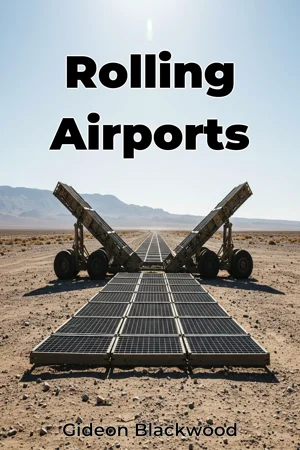
Imagine an aircraft facing a catastrophic failure, miles from a conventional airport. What if a runway could be deployed rapidly, virtually anywhere, providing a safe landing? Rolling Airports explores the fascinating and critical technology of mobile runways, their historical development, and their potential to revolutionize emergency aircraft operations. This book delves into three primary areas: the engineering principles behind mobile runway systems, the historical evolution of their use in military and civilian contexts, and the strategic advantages these systems offer in emergency response and tactical deployments. These topics are significant because they address a critical gap in aviation safety and highlight the adaptability of engineering solutions under pressure. The concept of rapidly deployable runways emerged during World War II, driven by the need to quickly establish airfields in contested territories. Early iterations involved prefabricated steel mats and hastily prepared earth strips. This historical backdrop sets the stage for understanding the technological advancements that have led to modern mobile runway systems. Prior knowledge of basic aviation principles and military strategy will enhance the reader's appreciation, but is not required. Rolling Airports argues that mobile runway technology is an underutilized asset with the potential to significantly improve aircraft survivability in emergency situations and enhance military operational capabilities. This argument is vital because it challenges the traditional reliance on fixed-location airports and proposes a more flexible and responsive approach to aviation infrastructure. The book begins by introducing the fundamental engineering challenges of creating stable and durable mobile runways, detailing the materials science, soil mechanics, and structural engineering involved. It then explores the historical development of these systems, tracing their evolution from wartime necessities to modern applications. Major sections include: a) An overview of different types of mobile runway systems, from temporary metal grids to advanced composite materials. b) Case studies of successful mobile runway deployments in military operations, disaster relief efforts, and remote civilian applications. c) An analysis of the logistical and economic considerations associated with deploying and maintaining mobile runways. The book relies on a combination of primary source documents, including military manuals, engineering reports, and historical accounts, as well as secondary scholarly research articles and technical publications. Unique data sources include previously unreleased military performance reports on experimental runway systems. Rolling Airports also connects to fields beyond aviation and military history. It draws on civil engineering to assess the structural integrity of runways, logistics and supply chain management to address deployment challenges, and disaster management to evaluate the effectiveness of mobile runways in emergency response scenarios. These interdisciplinary connections underscore the multifaceted nature of the technology. This book presents a unique perspective by combining historical analysis with a forward-looking assessment of mobile runway technology. It not only documents the past but also explores the potential for future innovation and broader adoption of these systems. The writing style aims to be informative and accessible, blending technical details with compelling historical narratives to engage a broad audience. The book is intended for aviation enthusiasts, military historians, emergency management professionals, and anyone interested in innovative engineering solutions. It will be valuable to readers seeking a comprehensive understanding of mobile runway technology and its potential impact. As a work in non-fiction, Rolling Airports prioritizes factual accuracy, thorough research, and objective analysis. The scope of the book focuses specifically on the technology, history, and application of mobile runways, with less emphasis on broader aviation policy or regulatory frameworks. The information presented can be applied practically by emergency responders, military planners, and aviation engineers seeking to improve aircraft safety and operational capabilities. While the book acknowledges ongoing debates about the cost-effectiveness of widespread mobile runway deployment, it ultimately argues for their strategic value in specific contexts.
Imagine an aircraft facing a catastrophic failure, miles from a conventional airport. What if a runway could be deployed rapidly, virtually anywhere, providing a safe landing? Rolling Airports explores the fascinating and critical technology of mobile runways, their historical development, and their potential to revolutionize emergency aircraft operations. This book delves into three primary areas: the engineering principles behind mobile runway systems, the historical evolution of their use in military and civilian contexts, and the strategic advantages these systems offer in emergency response and tactical deployments. These topics are significant because they address a critical gap in aviation safety and highlight the adaptability of engineering solutions under pressure. The concept of rapidly deployable runways emerged during World War II, driven by the need to quickly establish airfields in contested territories. Early iterations involved prefabricated steel mats and hastily prepared earth strips. This historical backdrop sets the stage for understanding the technological advancements that have led to modern mobile runway systems. Prior knowledge of basic aviation principles and military strategy will enhance the reader's appreciation, but is not required. Rolling Airports argues that mobile runway technology is an underutilized asset with the potential to significantly improve aircraft survivability in emergency situations and enhance military operational capabilities. This argument is vital because it challenges the traditional reliance on fixed-location airports and proposes a more flexible and responsive approach to aviation infrastructure. The book begins by introducing the fundamental engineering challenges of creating stable and durable mobile runways, detailing the materials science, soil mechanics, and structural engineering involved. It then explores the historical development of these systems, tracing their evolution from wartime necessities to modern applications. Major sections include: a) An overview of different types of mobile runway systems, from temporary metal grids to advanced composite materials. b) Case studies of successful mobile runway deployments in military operations, disaster relief efforts, and remote civilian applications. c) An analysis of the logistical and economic considerations associated with deploying and maintaining mobile runways. The book relies on a combination of primary source documents, including military manuals, engineering reports, and historical accounts, as well as secondary scholarly research articles and technical publications. Unique data sources include previously unreleased military performance reports on experimental runway systems. Rolling Airports also connects to fields beyond aviation and military history. It draws on civil engineering to assess the structural integrity of runways, logistics and supply chain management to address deployment challenges, and disaster management to evaluate the effectiveness of mobile runways in emergency response scenarios. These interdisciplinary connections underscore the multifaceted nature of the technology. This book presents a unique perspective by combining historical analysis with a forward-looking assessment of mobile runway technology. It not only documents the past but also explores the potential for future innovation and broader adoption of these systems. The writing style aims to be informative and accessible, blending technical details with compelling historical narratives to engage a broad audience. The book is intended for aviation enthusiasts, military historians, emergency management professionals, and anyone interested in innovative engineering solutions. It will be valuable to readers seeking a comprehensive understanding of mobile runway technology and its potential impact. As a work in non-fiction, Rolling Airports prioritizes factual accuracy, thorough research, and objective analysis. The scope of the book focuses specifically on the technology, history, and application of mobile runways, with less emphasis on broader aviation policy or regulatory frameworks. The information presented can be applied practically by emergency responders, military planners, and aviation engineers seeking to improve aircraft safety and operational capabilities. While the book acknowledges ongoing debates about the cost-effectiveness of widespread mobile runway deployment, it ultimately argues for their strategic value in specific contexts.
"Rolling Airports" explores the history and potential of rapidly deployable runways, a critical technology for emergency aircraft operations and tactical deployments. These mobile runways address a significant gap in aviation safety, offering a flexible alternative to fixed airports, especially in disaster relief scenarios. The book reveals how the concept originated during World War II, with early versions using materials like prefabricated steel mats. The book examines the engineering principles involved in creating stable mobile runways, considering materials science and structural engineering. It presents case studies of successful deployments in military operations and remote civilian applications. By using primary sources like military manuals and engineering reports, "Rolling Airports" offers a unique perspective, blending historical analysis with a forward-looking assessment of this underutilized technology. The book progresses from the fundamental engineering challenges to the historical evolution of runway systems and their modern applications. It connects to fields like civil engineering, logistics, and disaster management to underscore the multifaceted nature of mobile runways. Ultimately, it argues for their strategic value in specific contexts, highlighting their potential to revolutionize aviation safety and military capabilities.
Book Details
ISBN
9788235238603
Publisher
Publifye AS
Your Licenses
You don't own any licenses for this book
Purchase a license below to unlock this book and download the EPUB.
Purchase License
Select a tier to unlock this book
Need bulk licensing?
Contact us for enterprise agreements.