
About This Book
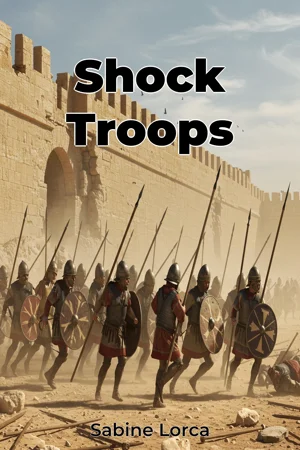
What separates a soldier from a shock trooper, the elite forces capable of shattering enemy lines and seizing seemingly impregnable positions? "Shock Troops" delves into the history, evolution, and impact of these specialized units, exploring their pivotal role in shaping the outcomes of high-intensity conflicts across centuries. This book examines not just the tactics and training that define shock troops, but also the psychological and strategic factors that underpin their effectiveness. The core of this work lies in understanding two central concepts: the tactical deployment of concentrated force and the cultivation of a warrior ethos that prioritizes aggression and relentless assault. We will explore how these two elements combine to create a unit capable of achieving breakthroughs that conventional forces cannot. Furthermore, we will analyze the strategic implications of successfully employing shock troops, demonstrating how their actions can create opportunities for decisive victories and fundamentally alter the course of battles and campaigns. To fully appreciate the significance of shock troops, it is crucial to understand the historical context in which they emerged and evolved. From ancient phalanxes employing massed formations to the stormtroopers of World War I and modern-day special operations forces, the book traces the development of shock troop doctrines and technologies, highlighting the adaptations made in response to changing battlefield conditions. No prior military knowledge is required, as the book provides clear explanations of tactical concepts and introduces historical figures and events in a comprehensive manner. The central argument of "Shock Troops" is that the effective deployment of shock troops is not merely a matter of brute force, but a complex interplay of training, leadership, and strategic planning. The book posits that their success hinges on the ability to identify vulnerabilities in the enemy's defenses, exploit those weaknesses with overwhelming power, and rapidly consolidate gains to prevent counterattacks. Their impact extends beyond immediate tactical gains, often demoralizing opposing forces and creating opportunities for broader strategic advances. The book is structured to provide a comprehensive understanding of shock troops. The first section introduces the core principles of shock warfare, defining key terms and concepts and establishing a historical framework. The subsequent sections each focus on specific eras or theaters of conflict, examining case studies of successful and unsuccessful shock troop operations. These case studies delve into the specifics of unit composition, training regimes, tactical doctrines, and the strategic context in which they were employed. The book culminates with an analysis of the future of shock warfare, considering the impact of emerging technologies and evolving geopolitical landscapes. The analysis presented within the book is supported by a variety of sources, including primary accounts from soldiers and commanders, official military documents, and scholarly analyses of battlefield tactics. Particular attention is paid to analyzing after-action reports and tactical manuals to understand the planning and execution of shock troop operations. The research also incorporates data from military simulations and wargaming exercises to assess the effectiveness of different shock troop doctrines under varying conditions. "Shock Troops" also intersects with other fields of study, including psychology, sociology, and political science. The book examines the psychological factors that motivate soldiers to engage in close-quarters combat, the sociological dynamics of elite military units, and the political considerations that influence the deployment of shock troops in different conflicts. What sets this book apart is its emphasis on the holistic understanding of shock troops, not just as fighting units, but as complex adaptive systems operating within a dynamic environment. The book adopts a multidisciplinary approach, drawing on historical analysis, tactical theory, and behavioral science to provide a nuanced and insightful perspective on the role of shock troops in modern warfare. The writing style is factual and analytical, aiming to provide a balanced and objective assessment of the subject matter. While the book is accessible to a general audience with an interest in military history, it also offers valuable insights for military professionals and defense analysts. The target audience includes military history enthusiasts, students of military science, defense professionals, and anyone interested in understanding the dynamics of high-intensity conflict. The book is particularly valuable for those seeking to understand the role of specialized units in achieving strategic objectives. In line with the conventions of military history, "Shock Troops" prioritizes accuracy, objectivity, and attention to detail. The book provides clear and concise explanations of complex military concepts and presents historical events in their proper context. The scope of the book is limited to examining the use of shock troops in conventional warfare, with a focus on land-based operations. While the book touches on the role of special operations forces, it does not delve into the details of unconventional warfare or counter-terrorism operations. The lessons learned from the study of shock troops have practical applications for military planners, strategists, and policymakers. The book provides insights into the importance of training, leadership, and strategic planning in maximizing the effectiveness of military forces. Finally, the book addresses ongoing debates about the ethics of shock warfare and the potential for unintended consequences. By examining the historical record, "Shock Troops" seeks to provide a balanced and informed perspective on the use of these powerful but potentially destructive forces.
What separates a soldier from a shock trooper, the elite forces capable of shattering enemy lines and seizing seemingly impregnable positions? "Shock Troops" delves into the history, evolution, and impact of these specialized units, exploring their pivotal role in shaping the outcomes of high-intensity conflicts across centuries. This book examines not just the tactics and training that define shock troops, but also the psychological and strategic factors that underpin their effectiveness. The core of this work lies in understanding two central concepts: the tactical deployment of concentrated force and the cultivation of a warrior ethos that prioritizes aggression and relentless assault. We will explore how these two elements combine to create a unit capable of achieving breakthroughs that conventional forces cannot. Furthermore, we will analyze the strategic implications of successfully employing shock troops, demonstrating how their actions can create opportunities for decisive victories and fundamentally alter the course of battles and campaigns. To fully appreciate the significance of shock troops, it is crucial to understand the historical context in which they emerged and evolved. From ancient phalanxes employing massed formations to the stormtroopers of World War I and modern-day special operations forces, the book traces the development of shock troop doctrines and technologies, highlighting the adaptations made in response to changing battlefield conditions. No prior military knowledge is required, as the book provides clear explanations of tactical concepts and introduces historical figures and events in a comprehensive manner. The central argument of "Shock Troops" is that the effective deployment of shock troops is not merely a matter of brute force, but a complex interplay of training, leadership, and strategic planning. The book posits that their success hinges on the ability to identify vulnerabilities in the enemy's defenses, exploit those weaknesses with overwhelming power, and rapidly consolidate gains to prevent counterattacks. Their impact extends beyond immediate tactical gains, often demoralizing opposing forces and creating opportunities for broader strategic advances. The book is structured to provide a comprehensive understanding of shock troops. The first section introduces the core principles of shock warfare, defining key terms and concepts and establishing a historical framework. The subsequent sections each focus on specific eras or theaters of conflict, examining case studies of successful and unsuccessful shock troop operations. These case studies delve into the specifics of unit composition, training regimes, tactical doctrines, and the strategic context in which they were employed. The book culminates with an analysis of the future of shock warfare, considering the impact of emerging technologies and evolving geopolitical landscapes. The analysis presented within the book is supported by a variety of sources, including primary accounts from soldiers and commanders, official military documents, and scholarly analyses of battlefield tactics. Particular attention is paid to analyzing after-action reports and tactical manuals to understand the planning and execution of shock troop operations. The research also incorporates data from military simulations and wargaming exercises to assess the effectiveness of different shock troop doctrines under varying conditions. "Shock Troops" also intersects with other fields of study, including psychology, sociology, and political science. The book examines the psychological factors that motivate soldiers to engage in close-quarters combat, the sociological dynamics of elite military units, and the political considerations that influence the deployment of shock troops in different conflicts. What sets this book apart is its emphasis on the holistic understanding of shock troops, not just as fighting units, but as complex adaptive systems operating within a dynamic environment. The book adopts a multidisciplinary approach, drawing on historical analysis, tactical theory, and behavioral science to provide a nuanced and insightful perspective on the role of shock troops in modern warfare. The writing style is factual and analytical, aiming to provide a balanced and objective assessment of the subject matter. While the book is accessible to a general audience with an interest in military history, it also offers valuable insights for military professionals and defense analysts. The target audience includes military history enthusiasts, students of military science, defense professionals, and anyone interested in understanding the dynamics of high-intensity conflict. The book is particularly valuable for those seeking to understand the role of specialized units in achieving strategic objectives. In line with the conventions of military history, "Shock Troops" prioritizes accuracy, objectivity, and attention to detail. The book provides clear and concise explanations of complex military concepts and presents historical events in their proper context. The scope of the book is limited to examining the use of shock troops in conventional warfare, with a focus on land-based operations. While the book touches on the role of special operations forces, it does not delve into the details of unconventional warfare or counter-terrorism operations. The lessons learned from the study of shock troops have practical applications for military planners, strategists, and policymakers. The book provides insights into the importance of training, leadership, and strategic planning in maximizing the effectiveness of military forces. Finally, the book addresses ongoing debates about the ethics of shock warfare and the potential for unintended consequences. By examining the historical record, "Shock Troops" seeks to provide a balanced and informed perspective on the use of these powerful but potentially destructive forces.
"Shock Troops" explores the evolution and impact of elite military units designed to break enemy lines. It analyzes how tactical deployment of concentrated force, combined with a warrior ethos emphasizing aggression, creates units capable of achieving breakthroughs that conventional forces cannot. The book reveals how shock troops, from ancient phalanxes to modern special forces, have adapted to changing battlefield conditions. Interestingly, their effectiveness relies not just on brute strength, but also on identifying and exploiting vulnerabilities in enemy defenses. The book progresses by first outlining the core principles of shock warfare and then moves into specific eras and conflicts, examining case studies of both successful and unsuccessful shock troop operations. It emphasizes that the strategic implications of employing shock troops can lead to decisive victories. What sets this book apart is its holistic approach, viewing shock troops as complex systems within dynamic environments, drawing from history, tactical theory, and behavioral science.
Book Details
ISBN
9788235238511
Publisher
Publifye AS
Your Licenses
You don't own any licenses for this book
Purchase a license below to unlock this book and download the EPUB.
Purchase License
Select a tier to unlock this book
Need bulk licensing?
Contact us for enterprise agreements.