
About This Book
Did you know that maple syrup production, a tradition deeply woven into North American culture, owes its origins to the ingenuity of indigenous peoples centuries ago? "Ancient Maple Harvest" unveils the captivating history and science behind this sweet legacy, exploring how indigenous groups first discovered the secrets of maple sap, developed sustainable harvesting practices, and refined techniques that laid the foundation for modern syrup-making. This book delves into three key areas. First, it examines the early interactions between indigenous communities and maple trees, highlighting the cultural significance of maple sap as a source of sustenance and medicine. Second, it explores the traditional methods of tapping trees, collecting sap, and transforming it into syrup and sugar, emphasizing the environmental consciousness embedded in these practices. Third, it traces the evolution of these techniques over time, examining how they were adapted and adopted by European settlers and ultimately shaped the commercial maple syrup industry we know today. Understanding the historical context is crucial. For centuries before European colonization, various indigenous nations across northeastern North America, including the Anishinaabe, Haudenosaunee, and Abenaki, possessed an intimate knowledge of the natural world. Maple trees were not merely a resource but an integral part of their ecosystem and a source of valuable sustenance, particularly during the lean months of late winter and early spring. This book positions its central argument around the idea that indigenous innovation in maple sugaring represents a significant yet often overlooked contribution to North American foodways and technological development. "Ancient Maple Harvest" is structured to provide a comprehensive understanding of this topic. It begins by introducing the botanical characteristics of maple trees and their geographical distribution. The book then transitions into an exploration of pre-colonial harvesting methods, detailing the types of tools used, the timing of sap collection, and the processing techniques employed to create syrup and sugar. Subsequent chapters will focus on the impact of European colonization on indigenous sugaring practices, analyzing how trade, technology transfer, and land dispossession altered traditional methods. The book culminates by examining the contemporary resurgence of interest in indigenous knowledge and sustainable maple sugaring practices, highlighting the potential for these traditions to inform modern approaches to resource management. The book draws upon a variety of sources, including archaeological evidence, ethnographic accounts, historical documents, and oral histories collected from indigenous communities. It incorporates scientific analysis of maple sap composition, boiling points, and sugar crystallization to provide a deeper understanding of the chemical processes involved in syrup production. Field research, including interviews with contemporary maple syrup producers and indigenous knowledge keepers, will add a personal and practical dimension to the narrative. "Ancient Maple Harvest" intersects with several academic disciplines, including anthropology, botany, history, and environmental studies. By exploring the cultural, biological, and historical dimensions of maple sugaring, the book offers a holistic perspective on the relationship between humans and the natural world. The book's unique approach lies in its emphasis on indigenous perspectives and its commitment to decolonizing the narrative surrounding maple syrup production; it also incorporates scientific rigor without diluting the narrative. Written in a narrative non-fiction style, "Ancient Maple Harvest" aims to be accessible to a broad audience, including history enthusiasts, food lovers, environmentalists, and anyone interested in learning more about indigenous cultures. It is especially valuable for those seeking to understand the origins of a beloved culinary tradition and the contributions of indigenous peoples to North American society. While the book focuses primarily on maple sugaring practices in northeastern North America, it acknowledges the diversity of indigenous approaches to resource management across the continent. It does not delve deeply into the commercial aspects of contemporary maple syrup production but instead prioritizes the historical and cultural significance of indigenous innovations. The knowledge shared in "Ancient Maple Harvest" can be applied to promote sustainable harvesting practices, support indigenous-led initiatives, and educate consumers about the rich history and cultural significance of maple syrup. It encourages critical thinking about the food we eat and the often-unacknowledged contributions of indigenous communities to our daily lives. Some debates exist in the field regarding the extent to which European settlers borrowed or adapted indigenous techniques, and this book seeks to offer a nuanced analysis of these complex interactions.
Did you know that maple syrup production, a tradition deeply woven into North American culture, owes its origins to the ingenuity of indigenous peoples centuries ago? "Ancient Maple Harvest" unveils the captivating history and science behind this sweet legacy, exploring how indigenous groups first discovered the secrets of maple sap, developed sustainable harvesting practices, and refined techniques that laid the foundation for modern syrup-making. This book delves into three key areas. First, it examines the early interactions between indigenous communities and maple trees, highlighting the cultural significance of maple sap as a source of sustenance and medicine. Second, it explores the traditional methods of tapping trees, collecting sap, and transforming it into syrup and sugar, emphasizing the environmental consciousness embedded in these practices. Third, it traces the evolution of these techniques over time, examining how they were adapted and adopted by European settlers and ultimately shaped the commercial maple syrup industry we know today. Understanding the historical context is crucial. For centuries before European colonization, various indigenous nations across northeastern North America, including the Anishinaabe, Haudenosaunee, and Abenaki, possessed an intimate knowledge of the natural world. Maple trees were not merely a resource but an integral part of their ecosystem and a source of valuable sustenance, particularly during the lean months of late winter and early spring. This book positions its central argument around the idea that indigenous innovation in maple sugaring represents a significant yet often overlooked contribution to North American foodways and technological development. "Ancient Maple Harvest" is structured to provide a comprehensive understanding of this topic. It begins by introducing the botanical characteristics of maple trees and their geographical distribution. The book then transitions into an exploration of pre-colonial harvesting methods, detailing the types of tools used, the timing of sap collection, and the processing techniques employed to create syrup and sugar. Subsequent chapters will focus on the impact of European colonization on indigenous sugaring practices, analyzing how trade, technology transfer, and land dispossession altered traditional methods. The book culminates by examining the contemporary resurgence of interest in indigenous knowledge and sustainable maple sugaring practices, highlighting the potential for these traditions to inform modern approaches to resource management. The book draws upon a variety of sources, including archaeological evidence, ethnographic accounts, historical documents, and oral histories collected from indigenous communities. It incorporates scientific analysis of maple sap composition, boiling points, and sugar crystallization to provide a deeper understanding of the chemical processes involved in syrup production. Field research, including interviews with contemporary maple syrup producers and indigenous knowledge keepers, will add a personal and practical dimension to the narrative. "Ancient Maple Harvest" intersects with several academic disciplines, including anthropology, botany, history, and environmental studies. By exploring the cultural, biological, and historical dimensions of maple sugaring, the book offers a holistic perspective on the relationship between humans and the natural world. The book's unique approach lies in its emphasis on indigenous perspectives and its commitment to decolonizing the narrative surrounding maple syrup production; it also incorporates scientific rigor without diluting the narrative. Written in a narrative non-fiction style, "Ancient Maple Harvest" aims to be accessible to a broad audience, including history enthusiasts, food lovers, environmentalists, and anyone interested in learning more about indigenous cultures. It is especially valuable for those seeking to understand the origins of a beloved culinary tradition and the contributions of indigenous peoples to North American society. While the book focuses primarily on maple sugaring practices in northeastern North America, it acknowledges the diversity of indigenous approaches to resource management across the continent. It does not delve deeply into the commercial aspects of contemporary maple syrup production but instead prioritizes the historical and cultural significance of indigenous innovations. The knowledge shared in "Ancient Maple Harvest" can be applied to promote sustainable harvesting practices, support indigenous-led initiatives, and educate consumers about the rich history and cultural significance of maple syrup. It encourages critical thinking about the food we eat and the often-unacknowledged contributions of indigenous communities to our daily lives. Some debates exist in the field regarding the extent to which European settlers borrowed or adapted indigenous techniques, and this book seeks to offer a nuanced analysis of these complex interactions.
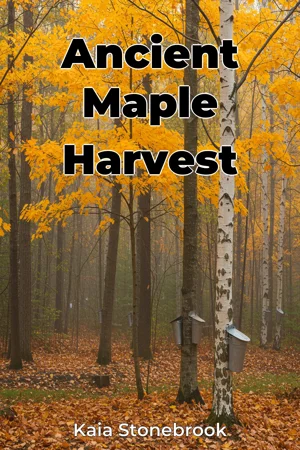
"Ancient Maple Harvest" explores the fascinating history and science behind maple syrup, revealing its deep roots in indigenous knowledge and sustainable harvesting practices. For centuries before European contact, indigenous peoples across North America, including the Anishinaabe and Haudenosaunee, skillfully transformed maple sap into a vital food source. These communities ingeniously developed techniques for tapping trees and boiling sap, understanding the precise timing and methods necessary to create syrup and sugar. This book uniquely positions indigenous innovation in maple sugaring as a significant contribution to North American foodways, often overlooked in mainstream narratives. The book progresses from the botanical characteristics of maple trees to pre-colonial harvesting methods, detailing tools, timing, and processing. It then examines the impact of European colonization on indigenous practices, analyzing how trade and land dispossession altered these traditions. By drawing upon archaeological evidence, ethnographic accounts, and oral histories, "Ancient Maple Harvest" offers a comprehensive and accessible look at the cultural significance and environmental consciousness embedded within indigenous maple sugaring.
Book Details
ISBN
9788235238474
Publisher
Publifye AS
Your Licenses
You don't own any licenses for this book
Purchase a license below to unlock this book and download the EPUB.
Purchase License
Select a tier to unlock this book
Need bulk licensing?
Contact us for enterprise agreements.