
About This Book
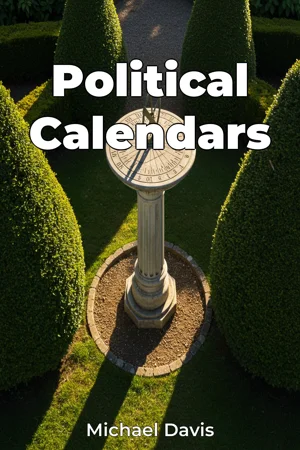
How much does the calendar dictate the rhythm of political life? "Political Calendars" delves into the largely unexplored yet profoundly influential role of calendars in shaping governance, policy, and political events around the world. This book examines how governments strategically use calendars to schedule elections, legislative sessions, policy implementation, and national events, ultimately defining the political landscape. Understanding these calendrical dynamics is essential for anyone seeking to grasp the underlying structures of power and influence in modern societies. The book’s central argument is that the calendar is not merely a neutral framework for organizing time, but an active instrument of power that shapes political behavior and outcomes. By analyzing specific case studies across different political systems and historical periods, "Political Calendars" demonstrates how the strategic manipulation of time can influence elections, legislative effectiveness, and public policy. "Political Calendars" is structured to provide a comprehensive understanding of this dynamic. Beginning with an introduction to the fundamental concepts of political time and the various types of calendars used globally, including Gregorian, lunar, and hybrid systems, the book proceeds to analyze the impact of calendrical choices on electoral cycles. This section explores how election timing influences voter turnout, campaign strategies, and the overall fairness of democratic processes. The following sections investigate the role of calendars in shaping legislative agendas and policy implementation. The book reveals how legislative sessions are often structured around specific calendrical constraints, such as fiscal years or seasonal breaks, which significantly impact the types of legislation that can be considered and passed. It also examines how policy cycles, from planning to evaluation, are inherently linked to calendrical timelines, affecting the effectiveness and accountability of government programs. Further, the book will analyze national events, such as holidays and anniversaries, as tools for constructing collective identity and reinforcing political narratives. By examining the timing and symbolism of these events, "Political Calendars" illustrates how governments use them to mobilize public support and legitimize their rule. This analysis relies on a multidisciplinary approach, drawing from political science, history, sociology, and anthropology. The research is supported by a wide range of evidence, including legislative records, policy documents, election data, and media reports from various countries. The book also incorporates insights from political theory, examining the ethical and normative implications of using calendars as instruments of power. The book’s interdisciplinary nature allows for a comprehensive examination of how political calendars impact other fields such as economics, through fiscal policy cycles, and international relations, influencing diplomatic timing and global events. "Political Calendars" is written in an accessible yet rigorous style, making it suitable for students, scholars, policymakers, and anyone interested in understanding the hidden forces that shape political life. It offers a unique perspective by focusing on the often-overlooked dimension of time, revealing its profound impact on political behavior and outcomes. While the book offers a global perspective, it acknowledges certain limitations in scope, focusing primarily on modern democracies and developed nations due to data availability and comparability. The ideas presented in this book offer real-world applications for policymakers seeking to optimize governance and for citizens seeking to understand how political processes are structured. The book also addresses ongoing debates about electoral reform, legislative effectiveness, and the role of national identity in shaping political landscapes. "Political Calendars" provides a framework for understanding and critically evaluating the temporal dimensions of power.
How much does the calendar dictate the rhythm of political life? "Political Calendars" delves into the largely unexplored yet profoundly influential role of calendars in shaping governance, policy, and political events around the world. This book examines how governments strategically use calendars to schedule elections, legislative sessions, policy implementation, and national events, ultimately defining the political landscape. Understanding these calendrical dynamics is essential for anyone seeking to grasp the underlying structures of power and influence in modern societies. The book’s central argument is that the calendar is not merely a neutral framework for organizing time, but an active instrument of power that shapes political behavior and outcomes. By analyzing specific case studies across different political systems and historical periods, "Political Calendars" demonstrates how the strategic manipulation of time can influence elections, legislative effectiveness, and public policy. "Political Calendars" is structured to provide a comprehensive understanding of this dynamic. Beginning with an introduction to the fundamental concepts of political time and the various types of calendars used globally, including Gregorian, lunar, and hybrid systems, the book proceeds to analyze the impact of calendrical choices on electoral cycles. This section explores how election timing influences voter turnout, campaign strategies, and the overall fairness of democratic processes. The following sections investigate the role of calendars in shaping legislative agendas and policy implementation. The book reveals how legislative sessions are often structured around specific calendrical constraints, such as fiscal years or seasonal breaks, which significantly impact the types of legislation that can be considered and passed. It also examines how policy cycles, from planning to evaluation, are inherently linked to calendrical timelines, affecting the effectiveness and accountability of government programs. Further, the book will analyze national events, such as holidays and anniversaries, as tools for constructing collective identity and reinforcing political narratives. By examining the timing and symbolism of these events, "Political Calendars" illustrates how governments use them to mobilize public support and legitimize their rule. This analysis relies on a multidisciplinary approach, drawing from political science, history, sociology, and anthropology. The research is supported by a wide range of evidence, including legislative records, policy documents, election data, and media reports from various countries. The book also incorporates insights from political theory, examining the ethical and normative implications of using calendars as instruments of power. The book’s interdisciplinary nature allows for a comprehensive examination of how political calendars impact other fields such as economics, through fiscal policy cycles, and international relations, influencing diplomatic timing and global events. "Political Calendars" is written in an accessible yet rigorous style, making it suitable for students, scholars, policymakers, and anyone interested in understanding the hidden forces that shape political life. It offers a unique perspective by focusing on the often-overlooked dimension of time, revealing its profound impact on political behavior and outcomes. While the book offers a global perspective, it acknowledges certain limitations in scope, focusing primarily on modern democracies and developed nations due to data availability and comparability. The ideas presented in this book offer real-world applications for policymakers seeking to optimize governance and for citizens seeking to understand how political processes are structured. The book also addresses ongoing debates about electoral reform, legislative effectiveness, and the role of national identity in shaping political landscapes. "Political Calendars" provides a framework for understanding and critically evaluating the temporal dimensions of power.
"Political Calendars" explores the surprising influence of calendars on politics, demonstrating how they shape governance and policy. Governments strategically use calendars to time elections, legislative sessions, and national events, influencing political outcomes in ways we often overlook. For example, the timing of elections can significantly impact voter turnout and campaign strategies. The book reveals that calendars are not neutral; they are active instruments of power. Legislative agendas are often dictated by calendrical constraints like fiscal years, impacting which laws can be passed. National holidays also serve a political purpose, reinforcing narratives and mobilizing support. This book adopts a multidisciplinary approach, drawing from political science, history, and other fields to examine the ethical implications of using calendars as tools of power. Starting with the basics of political time and different calendar systems, "Political Calendars" progresses through electoral cycles, legislative agendas, and national events, offering a unique perspective on the temporal dimensions of power.
Book Details
ISBN
9788235238382
Publisher
Publifye AS
Your Licenses
You don't own any licenses for this book
Purchase a license below to unlock this book and download the EPUB.
Purchase License
Select a tier to unlock this book
Need bulk licensing?
Contact us for enterprise agreements.