
About This Book
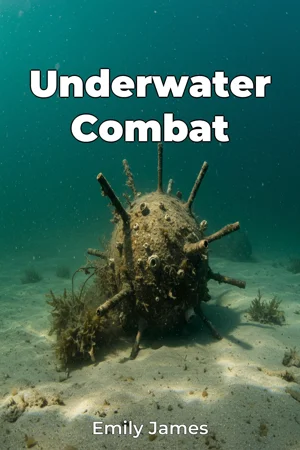
Have you ever considered the profound impact water has on the dynamics of combat? "Underwater Combat" delves into this often-overlooked realm, exploring how the aquatic environment fundamentally alters movement, speed, and strategic considerations in military and sporting contexts. This book addresses three key topics: the physics of underwater movement, the evolution of underwater combat tactics, and the physiological challenges faced by combatants operating in this environment. Understanding these elements is crucial for anyone interested in military history, sports, and the unique demands of underwater operations. The historical backdrop of underwater combat is richer and more complex than many realize. From ancient siege tactics involving submerged approaches to modern special forces operations utilizing advanced diving technologies, water has consistently played a pivotal role in military strategy. A basic understanding of fluid dynamics and human physiology is helpful, but not required, as the book will provide clear explanations of these scientific principles throughout. At its core, "Underwater Combat" argues that success in this domain requires a comprehensive understanding of the physical, tactical, and physiological factors at play. This argument is significant because it moves beyond simple descriptions of historical events to offer a holistic framework for analyzing and improving underwater combat effectiveness. The book is structured to progressively build upon these key themes. It begins by introducing the fundamental principles of underwater physics, such as drag, buoyancy, and visibility. Subsequent chapters explore the historical development of underwater combat techniques, from early frogmen to contemporary underwater demolition teams. The book then analyzes the physiological demands placed on the human body during underwater activity, including the effects of pressure, oxygen toxicity, and hypothermia. The analysis then culminates in a discussion of current challenges and future trends in underwater combat, considering both military applications and sporting competitions such as underwater hockey and rugby. The arguments presented are supported by a wide range of evidence, including historical accounts, technical manuals, scientific studies, and first-hand narratives from military divers and underwater athletes. Unique data sources include declassified military documents detailing underwater operations and performance data from competitive underwater sports. "Underwater Combat" connects to various fields, including military history, sports science, and human physiology. By examining the interplay between these disciplines, the book offers a more informed and comprehensive understanding of underwater combat. The book also touches upon engineering, specifically the design and development of underwater equipment. This book takes a unique approach by integrating historical analysis, scientific principles, and practical applications into a single, cohesive framework. It moves beyond simply recounting events to offer a deeper understanding of the underlying factors that determine success in underwater combat scenarios. The writing style is factual and analytical but remains accessible to a broad audience. Complex scientific concepts are explained clearly and concisely, with ample illustrations and examples to aid comprehension. The target audience includes military historians, sports enthusiasts, students of military science, and anyone interested in the challenges and opportunities presented by the underwater environment. This book is valuable to them because it provides a comprehensive and insightful overview of a topic that is often overlooked in mainstream discussions of military strategy and sporting competition. As a military history book, it adheres to the genre’s expectations of factual accuracy, thorough research, and objective analysis. The book's scope is limited to the effects of water on combat-related activities. It does not delve into broader aspects of naval warfare or marine biology, focusing specifically on the challenges and strategies associated with fighting in and under the water. The information contained within this book has real-world applications for military personnel, underwater athletes, and anyone involved in underwater activities. It provides valuable insights into how to optimize performance, mitigate risks, and develop effective strategies for operating in this challenging environment. Although the book addresses past and present scenarios, there are very few aspects that are currently subject to ongoing debates or controversies. "Underwater Combat" aims to provide a balanced and objective overview of the field, drawing on a wide range of sources and perspectives to present a comprehensive and nuanced understanding of this fascinating subject.
Have you ever considered the profound impact water has on the dynamics of combat? "Underwater Combat" delves into this often-overlooked realm, exploring how the aquatic environment fundamentally alters movement, speed, and strategic considerations in military and sporting contexts. This book addresses three key topics: the physics of underwater movement, the evolution of underwater combat tactics, and the physiological challenges faced by combatants operating in this environment. Understanding these elements is crucial for anyone interested in military history, sports, and the unique demands of underwater operations. The historical backdrop of underwater combat is richer and more complex than many realize. From ancient siege tactics involving submerged approaches to modern special forces operations utilizing advanced diving technologies, water has consistently played a pivotal role in military strategy. A basic understanding of fluid dynamics and human physiology is helpful, but not required, as the book will provide clear explanations of these scientific principles throughout. At its core, "Underwater Combat" argues that success in this domain requires a comprehensive understanding of the physical, tactical, and physiological factors at play. This argument is significant because it moves beyond simple descriptions of historical events to offer a holistic framework for analyzing and improving underwater combat effectiveness. The book is structured to progressively build upon these key themes. It begins by introducing the fundamental principles of underwater physics, such as drag, buoyancy, and visibility. Subsequent chapters explore the historical development of underwater combat techniques, from early frogmen to contemporary underwater demolition teams. The book then analyzes the physiological demands placed on the human body during underwater activity, including the effects of pressure, oxygen toxicity, and hypothermia. The analysis then culminates in a discussion of current challenges and future trends in underwater combat, considering both military applications and sporting competitions such as underwater hockey and rugby. The arguments presented are supported by a wide range of evidence, including historical accounts, technical manuals, scientific studies, and first-hand narratives from military divers and underwater athletes. Unique data sources include declassified military documents detailing underwater operations and performance data from competitive underwater sports. "Underwater Combat" connects to various fields, including military history, sports science, and human physiology. By examining the interplay between these disciplines, the book offers a more informed and comprehensive understanding of underwater combat. The book also touches upon engineering, specifically the design and development of underwater equipment. This book takes a unique approach by integrating historical analysis, scientific principles, and practical applications into a single, cohesive framework. It moves beyond simply recounting events to offer a deeper understanding of the underlying factors that determine success in underwater combat scenarios. The writing style is factual and analytical but remains accessible to a broad audience. Complex scientific concepts are explained clearly and concisely, with ample illustrations and examples to aid comprehension. The target audience includes military historians, sports enthusiasts, students of military science, and anyone interested in the challenges and opportunities presented by the underwater environment. This book is valuable to them because it provides a comprehensive and insightful overview of a topic that is often overlooked in mainstream discussions of military strategy and sporting competition. As a military history book, it adheres to the genre’s expectations of factual accuracy, thorough research, and objective analysis. The book's scope is limited to the effects of water on combat-related activities. It does not delve into broader aspects of naval warfare or marine biology, focusing specifically on the challenges and strategies associated with fighting in and under the water. The information contained within this book has real-world applications for military personnel, underwater athletes, and anyone involved in underwater activities. It provides valuable insights into how to optimize performance, mitigate risks, and develop effective strategies for operating in this challenging environment. Although the book addresses past and present scenarios, there are very few aspects that are currently subject to ongoing debates or controversies. "Underwater Combat" aims to provide a balanced and objective overview of the field, drawing on a wide range of sources and perspectives to present a comprehensive and nuanced understanding of this fascinating subject.
"Underwater Combat" explores the multifaceted world of fighting beneath the surface, revealing how the aquatic environment shapes military and sporting strategies. This exploration goes beyond recounting historical events, offering a comprehensive framework for understanding underwater combat effectiveness. From ancient siege tactics to modern special forces, water's influence on combat, movement, and speed is profound. The book uniquely integrates historical analysis with scientific principles, such as fluid dynamics and human physiology, making complex concepts accessible. The book progresses logically, beginning with the physics of underwater movement, including drag and buoyancy. It then transitions to the evolution of underwater combat tactics, highlighting early frogmen and contemporary underwater demolition teams. Finally, it examines the physiological challenges faced by combatants, such as pressure and oxygen toxicity. By drawing on historical accounts, technical manuals, and first-hand narratives, "Underwater Combat" provides valuable insights for military historians, sports enthusiasts, and anyone interested in the demands of underwater operations.
Book Details
ISBN
9788235237873
Publisher
Publifye AS
Your Licenses
You don't own any licenses for this book
Purchase a license below to unlock this book and download the EPUB.
Purchase License
Select a tier to unlock this book
Need bulk licensing?
Contact us for enterprise agreements.