
About This Book
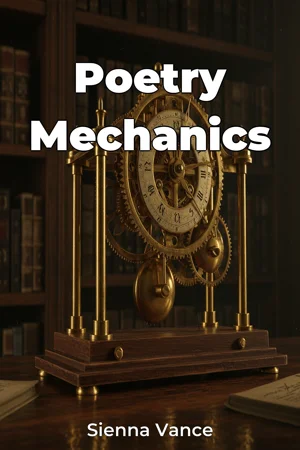
Can the intricate architecture of a poem unlock deeper levels of understanding and appreciation? "Poetry Mechanics" delves into the fundamental structural elements that underpin poetic expression, offering a comprehensive guide to meter, rhyme, and form. These elements are not merely decorative; they are the very framework upon which meaning is built, significantly influencing a poem's emotional impact and thematic resonance. Understanding these mechanics equips readers with tools for both analyzing existing poetry and crafting their own. This book centers on the key concepts of meter, rhyme, and form and shows how they function individually and in tandem. Meter establishes the rhythm and pace of a poem, creating a musicality that appeals to the ear and reinforces the poem's emotional tone. Rhyme provides connection and emphasis, linking ideas and creating a sense of closure or expectation. Form dictates the overall structure of a poem, influencing its visual appearance and guiding the reader's experience. These elements, often intertwined, are crucial for conveying the poet's intended message. The study of poetry has evolved through centuries, influenced by social and literary movements. "Poetry Mechanics" acknowledges this history, providing context for the development of various poetic forms, from the sonnet to free verse. The book assumes a basic familiarity with literary terminology but provides clear definitions and examples to ensure accessibility for readers with varying levels of experience. The central argument of "Poetry Mechanics" is that a deep understanding of poetic structure enhances both the reading and writing of poetry. By dissecting the mechanics, we gain a greater appreciation for the poet's craft and the subtle ways in which meaning is conveyed. This understanding allows readers to engage with poetry on a deeper, more meaningful level, moving beyond passive consumption to active interpretation and creative expression. The book unfolds systematically, beginning with an introduction to the core concepts of meter, rhyme, and form. It then explores each element in detail, examining various types of meter (iambic, trochaic, etc.), rhyme schemes (AABB, ABAB, etc.), and poetic forms (sonnet, haiku, villanelle, etc.). Through detailed analyses of exemplary poems, the book demonstrates how these elements function in practice. Finally, "Poetry Mechanics" culminates in a discussion of how these structural elements can be used creatively to enhance one's own writing, offering practical exercises and prompts for aspiring poets. The arguments presented in "Poetry Mechanics" are supported by close readings of canonical and contemporary poems, as well as references to established theories of poetics. Examples are drawn from diverse literary traditions to illustrate the universality and adaptability of poetic mechanics. "Poetry Mechanics" also acknowledges the interdisciplinary connections of poetry, primarily with music theory and linguistics. The rhythmic qualities of poetry align closely with musical principles, while the linguistic aspects connect to the broader study of language and communication. Furthermore, poetry has significant connections to cultural studies, reflecting and shaping social values and beliefs. What sets this book apart is its hands-on approach. While providing a solid theoretical foundation, "Poetry Mechanics" emphasizes practical application, encouraging readers to experiment with different meters, rhymes, and forms to discover their own poetic voice. The tone of the book is academic yet accessible, balancing rigorous analysis with clear and engaging prose. It aims to be informative and insightful without being overly technical or intimidating. The primary target audience for "Poetry Mechanics" includes students of literature, aspiring poets, and anyone who seeks a deeper understanding of the art of poetry. The book's systematic approach and practical exercises make it a valuable resource for both classroom use and self-study. As a reference book, "Poetry Mechanics" adheres to the conventions of providing clear definitions, illustrative examples, and a comprehensive index for easy navigation. As an academic text, it maintains a high level of scholarly rigor, citing sources and engaging with established theories of poetics. The scope of "Poetry Mechanics" is limited to the structural elements of poetry, focusing primarily on meter, rhyme, and form. While the book touches upon other aspects of poetic analysis, such as imagery and theme, its primary focus remains on the mechanics of poetic construction. The knowledge gained from "Poetry Mechanics" can be applied in numerous real-world contexts, from analyzing and interpreting literature to crafting effective speeches and writing compelling marketing copy. A deeper understanding of poetic mechanics enhances communication skills and fosters a greater appreciation for the power of language. While the importance of poetic structure is generally accepted, debates persist regarding the relative value of traditional forms versus free verse. "Poetry Mechanics" acknowledges these debates, presenting a balanced perspective that celebrates the diversity of poetic expression.
Can the intricate architecture of a poem unlock deeper levels of understanding and appreciation? "Poetry Mechanics" delves into the fundamental structural elements that underpin poetic expression, offering a comprehensive guide to meter, rhyme, and form. These elements are not merely decorative; they are the very framework upon which meaning is built, significantly influencing a poem's emotional impact and thematic resonance. Understanding these mechanics equips readers with tools for both analyzing existing poetry and crafting their own. This book centers on the key concepts of meter, rhyme, and form and shows how they function individually and in tandem. Meter establishes the rhythm and pace of a poem, creating a musicality that appeals to the ear and reinforces the poem's emotional tone. Rhyme provides connection and emphasis, linking ideas and creating a sense of closure or expectation. Form dictates the overall structure of a poem, influencing its visual appearance and guiding the reader's experience. These elements, often intertwined, are crucial for conveying the poet's intended message. The study of poetry has evolved through centuries, influenced by social and literary movements. "Poetry Mechanics" acknowledges this history, providing context for the development of various poetic forms, from the sonnet to free verse. The book assumes a basic familiarity with literary terminology but provides clear definitions and examples to ensure accessibility for readers with varying levels of experience. The central argument of "Poetry Mechanics" is that a deep understanding of poetic structure enhances both the reading and writing of poetry. By dissecting the mechanics, we gain a greater appreciation for the poet's craft and the subtle ways in which meaning is conveyed. This understanding allows readers to engage with poetry on a deeper, more meaningful level, moving beyond passive consumption to active interpretation and creative expression. The book unfolds systematically, beginning with an introduction to the core concepts of meter, rhyme, and form. It then explores each element in detail, examining various types of meter (iambic, trochaic, etc.), rhyme schemes (AABB, ABAB, etc.), and poetic forms (sonnet, haiku, villanelle, etc.). Through detailed analyses of exemplary poems, the book demonstrates how these elements function in practice. Finally, "Poetry Mechanics" culminates in a discussion of how these structural elements can be used creatively to enhance one's own writing, offering practical exercises and prompts for aspiring poets. The arguments presented in "Poetry Mechanics" are supported by close readings of canonical and contemporary poems, as well as references to established theories of poetics. Examples are drawn from diverse literary traditions to illustrate the universality and adaptability of poetic mechanics. "Poetry Mechanics" also acknowledges the interdisciplinary connections of poetry, primarily with music theory and linguistics. The rhythmic qualities of poetry align closely with musical principles, while the linguistic aspects connect to the broader study of language and communication. Furthermore, poetry has significant connections to cultural studies, reflecting and shaping social values and beliefs. What sets this book apart is its hands-on approach. While providing a solid theoretical foundation, "Poetry Mechanics" emphasizes practical application, encouraging readers to experiment with different meters, rhymes, and forms to discover their own poetic voice. The tone of the book is academic yet accessible, balancing rigorous analysis with clear and engaging prose. It aims to be informative and insightful without being overly technical or intimidating. The primary target audience for "Poetry Mechanics" includes students of literature, aspiring poets, and anyone who seeks a deeper understanding of the art of poetry. The book's systematic approach and practical exercises make it a valuable resource for both classroom use and self-study. As a reference book, "Poetry Mechanics" adheres to the conventions of providing clear definitions, illustrative examples, and a comprehensive index for easy navigation. As an academic text, it maintains a high level of scholarly rigor, citing sources and engaging with established theories of poetics. The scope of "Poetry Mechanics" is limited to the structural elements of poetry, focusing primarily on meter, rhyme, and form. While the book touches upon other aspects of poetic analysis, such as imagery and theme, its primary focus remains on the mechanics of poetic construction. The knowledge gained from "Poetry Mechanics" can be applied in numerous real-world contexts, from analyzing and interpreting literature to crafting effective speeches and writing compelling marketing copy. A deeper understanding of poetic mechanics enhances communication skills and fosters a greater appreciation for the power of language. While the importance of poetic structure is generally accepted, debates persist regarding the relative value of traditional forms versus free verse. "Poetry Mechanics" acknowledges these debates, presenting a balanced perspective that celebrates the diversity of poetic expression.
"Poetry Mechanics" offers an in-depth exploration into the structural elements of poetry, focusing on meter, rhyme, and form. These aren't just decorative aspects; they fundamentally shape a poem's meaning and emotional impact. For example, meter establishes rhythm, influencing the poem's pace and musicality, while rhyme creates connections between ideas, offering emphasis and a sense of resolution. Understanding these mechanics provides readers with the tools to analyze poetry and craft their own work. The book systematically progresses, starting with core concepts before delving into specific types of meter, rhyme schemes, and poetic forms like sonnets and haikus. It uniquely emphasizes hands-on application, encouraging readers to experiment with different structures to find their poetic voice. By dissecting poetic architecture, readers gain a deeper appreciation for the poet's craft, moving from passive reading to active interpretation and creative expression.
Book Details
ISBN
9788235237750
Publisher
Publifye AS
Your Licenses
You don't own any licenses for this book
Purchase a license below to unlock this book and download the EPUB.
Purchase License
Select a tier to unlock this book
Need bulk licensing?
Contact us for enterprise agreements.