
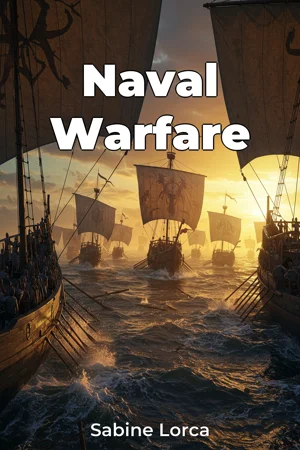
About This Book
How have naval engagements shaped the course of history, and what enduring lessons can be gleaned from the strategies and technologies that defined them? "Naval Warfare" charts the evolution of maritime conflict, examining the pivotal sea battles, innovative naval formations, and strategic maritime thinking that have determined the rise and fall of global powers. This book delves into the crucial role of naval power, a force often underestimated, in shaping international relations, trade routes, and military dominance throughout the ages. Two primary areas of focus are the development of naval technology and the evolution of naval strategy. Tracing the progression from ancient galleys to modern nuclear-powered submarines, we analyze how technological advancements influenced tactical approaches at sea. Simultaneously, we examine how naval strategies adapted to these technological changes, considering factors such as geography, logistics, and the shifting geopolitical landscape. These elements are vital because understanding the interplay between technology and strategy is essential for comprehending the dynamics of naval warfare and its lasting impact. To fully appreciate the significance of naval conflicts, a foundational understanding of maritime history and basic military concepts is beneficial, though not strictly required. We provide necessary context by exploring key historical periods and naval engagements, explaining the social, economic, and political circumstances that influenced maritime power. The central argument of "Naval Warfare" posits that mastery of the seas has consistently served as a critical factor in achieving global dominance. Control of maritime trade routes, the ability to project power across oceans, and the strategic positioning of naval forces have historically provided nations with significant advantages in both economic and military realms. This thesis is significant because it highlights the enduring relevance of naval power in an increasingly interconnected world. The book unfolds in a structured manner, beginning with an introduction to the fundamental concepts of naval warfare, including ship design, weaponry, and basic tactical formations. It then proceeds to examine specific historical periods, such as the age of sail, the rise of ironclads, and the era of modern naval aviation. Each period is analyzed through case studies of significant sea battles and strategic campaigns, illustrating the interplay of technology, tactics, and leadership. The book culminates in a discussion of contemporary naval challenges and potential future developments, considering topics such as cyber warfare, unmanned systems, and the evolving geopolitical landscape. Major points include: 1) Ancient and Medieval Naval Power, focusing on galleys, Viking longships, and the early development of naval tactics. 2) The Age of Sail, charting the rise of sailing warships, line-of-battle tactics, and the great naval powers of Europe. 3) Modern Naval Warfare, examining the impact of steam power, ironclads, submarines, and aircraft carriers on naval strategy. The analysis is based on a wide range of primary and secondary sources, including firsthand accounts from naval officers, historical documents, technical manuals, and scholarly research. The book employs a comparative approach, drawing parallels and contrasts between different naval powers and historical periods to identify recurring patterns and key lessons. "Naval Warfare" connects to several other fields of study, including military history, political science, economics, and technology. Its exploration of naval strategy and its impact on international relations is relevant to political science; its examination of maritime trade and economics connects to economic history; and its analysis of technological innovation in naval warfare relates to the history of technology. These interdisciplinary connections enrich the book's argument by providing a more holistic understanding of the complex interplay between naval power and global affairs. This book adopts a balanced and objective approach to presenting information, striving to provide a comprehensive and nuanced account of naval warfare throughout history. The intended audience includes students of military history, naval enthusiasts, policymakers, and anyone interested in understanding the role of maritime power in shaping world events. The book will be valuable to them because it provides a clear, concise, and insightful overview of a complex and often overlooked aspect of history. As a work of military history, "Naval Warfare" adheres to the conventions of rigorous scholarship, providing detailed analysis, clear documentation, and objective interpretation. It also strives to be accessible to a broad audience, avoiding excessive jargon and technical detail while maintaining intellectual rigor. The book’s scope is global, encompassing naval conflicts from ancient times to the present day. However, it cannot cover every naval battle or technological development in exhaustive detail. The focus is on providing a broad overview of key trends, turning points, and recurring themes in naval warfare. The insights presented in "Naval Warfare" have real-world applications for policymakers, military strategists, and anyone interested in understanding the dynamics of international relations. By studying the lessons of the past, we can better anticipate and manage the challenges of the present and future. While naval strategy aims to achieve objectives, ongoing debates exist regarding the most effective means of achieving this goal, particularly with emerging technologies. This book addresses the strategic advantages and challenges presented by the advent of such systems.
How have naval engagements shaped the course of history, and what enduring lessons can be gleaned from the strategies and technologies that defined them? "Naval Warfare" charts the evolution of maritime conflict, examining the pivotal sea battles, innovative naval formations, and strategic maritime thinking that have determined the rise and fall of global powers. This book delves into the crucial role of naval power, a force often underestimated, in shaping international relations, trade routes, and military dominance throughout the ages. Two primary areas of focus are the development of naval technology and the evolution of naval strategy. Tracing the progression from ancient galleys to modern nuclear-powered submarines, we analyze how technological advancements influenced tactical approaches at sea. Simultaneously, we examine how naval strategies adapted to these technological changes, considering factors such as geography, logistics, and the shifting geopolitical landscape. These elements are vital because understanding the interplay between technology and strategy is essential for comprehending the dynamics of naval warfare and its lasting impact. To fully appreciate the significance of naval conflicts, a foundational understanding of maritime history and basic military concepts is beneficial, though not strictly required. We provide necessary context by exploring key historical periods and naval engagements, explaining the social, economic, and political circumstances that influenced maritime power. The central argument of "Naval Warfare" posits that mastery of the seas has consistently served as a critical factor in achieving global dominance. Control of maritime trade routes, the ability to project power across oceans, and the strategic positioning of naval forces have historically provided nations with significant advantages in both economic and military realms. This thesis is significant because it highlights the enduring relevance of naval power in an increasingly interconnected world. The book unfolds in a structured manner, beginning with an introduction to the fundamental concepts of naval warfare, including ship design, weaponry, and basic tactical formations. It then proceeds to examine specific historical periods, such as the age of sail, the rise of ironclads, and the era of modern naval aviation. Each period is analyzed through case studies of significant sea battles and strategic campaigns, illustrating the interplay of technology, tactics, and leadership. The book culminates in a discussion of contemporary naval challenges and potential future developments, considering topics such as cyber warfare, unmanned systems, and the evolving geopolitical landscape. Major points include: 1) Ancient and Medieval Naval Power, focusing on galleys, Viking longships, and the early development of naval tactics. 2) The Age of Sail, charting the rise of sailing warships, line-of-battle tactics, and the great naval powers of Europe. 3) Modern Naval Warfare, examining the impact of steam power, ironclads, submarines, and aircraft carriers on naval strategy. The analysis is based on a wide range of primary and secondary sources, including firsthand accounts from naval officers, historical documents, technical manuals, and scholarly research. The book employs a comparative approach, drawing parallels and contrasts between different naval powers and historical periods to identify recurring patterns and key lessons. "Naval Warfare" connects to several other fields of study, including military history, political science, economics, and technology. Its exploration of naval strategy and its impact on international relations is relevant to political science; its examination of maritime trade and economics connects to economic history; and its analysis of technological innovation in naval warfare relates to the history of technology. These interdisciplinary connections enrich the book's argument by providing a more holistic understanding of the complex interplay between naval power and global affairs. This book adopts a balanced and objective approach to presenting information, striving to provide a comprehensive and nuanced account of naval warfare throughout history. The intended audience includes students of military history, naval enthusiasts, policymakers, and anyone interested in understanding the role of maritime power in shaping world events. The book will be valuable to them because it provides a clear, concise, and insightful overview of a complex and often overlooked aspect of history. As a work of military history, "Naval Warfare" adheres to the conventions of rigorous scholarship, providing detailed analysis, clear documentation, and objective interpretation. It also strives to be accessible to a broad audience, avoiding excessive jargon and technical detail while maintaining intellectual rigor. The book’s scope is global, encompassing naval conflicts from ancient times to the present day. However, it cannot cover every naval battle or technological development in exhaustive detail. The focus is on providing a broad overview of key trends, turning points, and recurring themes in naval warfare. The insights presented in "Naval Warfare" have real-world applications for policymakers, military strategists, and anyone interested in understanding the dynamics of international relations. By studying the lessons of the past, we can better anticipate and manage the challenges of the present and future. While naval strategy aims to achieve objectives, ongoing debates exist regarding the most effective means of achieving this goal, particularly with emerging technologies. This book addresses the strategic advantages and challenges presented by the advent of such systems.
"Naval Warfare" explores the pivotal role of maritime conflict in shaping world history, focusing on how naval engagements, strategies, and technologies have influenced the rise and fall of global powers. The book highlights the often-underestimated impact of naval power on international relations and trade routes. For example, control of maritime trade routes has historically provided nations with significant economic and military advantages. The book examines the evolution of naval technology, from ancient galleys to modern submarines, and how these advancements have impacted naval strategies. The book progresses chronologically, starting with ancient naval power and moving through the age of sail to modern naval warfare, analyzing significant sea battles and strategic campaigns. By examining cases such as the rise of ironclads and the impact of naval aviation, the book illustrates how technology, tactics, and leadership intersect. Ultimately, "Naval Warfare" argues that mastery of the seas has been a critical factor in achieving global dominance, a thesis that remains relevant in today's interconnected world.
Book Details
ISBN
9788235237668
Publisher
Publifye AS
Your Licenses
You don't own any licenses for this book
Purchase a license below to unlock this book and download the EPUB.
Purchase License
Select a tier to unlock this book
Need bulk licensing?
Contact us for enterprise agreements.