
About This Book
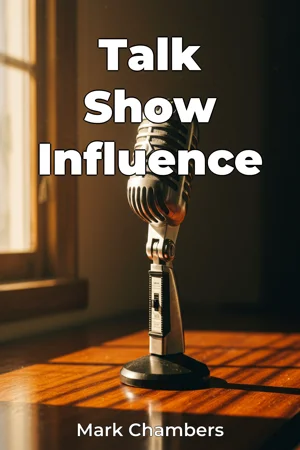
In an era dominated by visual media, how do radio talk shows continue to exert a powerful influence on public discourse and remain a popular form of audio entertainment? "Talk Show Influence" examines the enduring cultural impact of radio talk shows, the mechanisms through which they shape public opinion, and the reasons for their persistent appeal. This book delves into the intersection of politics, media, and society to understand the dynamics of this influential medium. This book argues that radio talk shows, far from being a relic of the past, are a vital force in shaping contemporary political and social attitudes. Their accessible format and focus on listener engagement have allowed them to adapt and thrive in the digital age, becoming a key battleground for ideological debates. To understand the current influence of radio talk shows, it’s essential to examine their historical roots and evolution. From their early days as a platform for community discussions to their present-day role as a partisan battleground, this book traces the development of the format, exploring how it has both reflected and shaped broader cultural trends. We will discuss the Fairness Doctrine and its impact, the rise of conservative talk radio in the late 20th century, and the adaptation of the format to online streaming and podcasting. "Talk Show Influence" is structured to provide a comprehensive analysis. It begins by defining the characteristics of radio talk shows and their unique appeal. It then explores the psychological and sociological factors that contribute to their influence on listeners, including the role of parasocial interaction, confirmation bias, and emotional appeals. The core of the book examines the content of radio talk shows, analyzing the rhetorical strategies used by hosts, the types of guests they feature, and the topics they cover. It will include case studies of specific programs and hosts that have had a significant impact on public opinion. The book culminates with an assessment of the future of radio talk shows in the evolving media landscape. The evidence presented in "Talk Show Influence" draws on a variety of sources, including content analysis of radio broadcasts, audience surveys, and interviews with hosts, producers, and listeners. The book also incorporates data from media consumption studies and political polling to measure the impact of radio talk shows on public attitudes and behaviors. This book connects to fields such as political science, media studies, and sociology. It explores how radio talk shows function as a form of political communication, how they contribute to the formation of social identities, and how they reflect broader trends in media consumption and participatory culture. One of the unique aspects of "Talk Show Influence" is its focus on the micro-level interactions between hosts and listeners. It examines how radio talk show hosts cultivate a sense of intimacy and trust with their audiences, and how they use this rapport to influence their beliefs and behaviors. Written in an accessible and engaging style, "Talk Show Influence" is aimed at students, researchers, and anyone interested in understanding the power of media in shaping public opinion. By providing a comprehensive and nuanced analysis of radio talk shows, this book offers valuable insights into the dynamics of contemporary political and social discourse. The scope of "Talk Show Influence" is primarily focused on the United States, although the book also draws comparisons to radio talk shows in other countries. While acknowledging the diversity of voices and perspectives within the format, the book focuses primarily on the most influential and widely listened-to programs. The information in this book can be applied practically by media professionals, political strategists, and anyone seeking to understand the dynamics of public persuasion. It provides valuable insights into the strategies and tactics used by radio talk show hosts, and how these can be either emulated or countered. "Talk Show Influence" also addresses the ongoing debates surrounding the role of radio talk shows in promoting misinformation and political polarization. It examines the arguments for and against regulating the content of these programs, and explores the ethical responsibilities of hosts and producers.
In an era dominated by visual media, how do radio talk shows continue to exert a powerful influence on public discourse and remain a popular form of audio entertainment? "Talk Show Influence" examines the enduring cultural impact of radio talk shows, the mechanisms through which they shape public opinion, and the reasons for their persistent appeal. This book delves into the intersection of politics, media, and society to understand the dynamics of this influential medium. This book argues that radio talk shows, far from being a relic of the past, are a vital force in shaping contemporary political and social attitudes. Their accessible format and focus on listener engagement have allowed them to adapt and thrive in the digital age, becoming a key battleground for ideological debates. To understand the current influence of radio talk shows, it’s essential to examine their historical roots and evolution. From their early days as a platform for community discussions to their present-day role as a partisan battleground, this book traces the development of the format, exploring how it has both reflected and shaped broader cultural trends. We will discuss the Fairness Doctrine and its impact, the rise of conservative talk radio in the late 20th century, and the adaptation of the format to online streaming and podcasting. "Talk Show Influence" is structured to provide a comprehensive analysis. It begins by defining the characteristics of radio talk shows and their unique appeal. It then explores the psychological and sociological factors that contribute to their influence on listeners, including the role of parasocial interaction, confirmation bias, and emotional appeals. The core of the book examines the content of radio talk shows, analyzing the rhetorical strategies used by hosts, the types of guests they feature, and the topics they cover. It will include case studies of specific programs and hosts that have had a significant impact on public opinion. The book culminates with an assessment of the future of radio talk shows in the evolving media landscape. The evidence presented in "Talk Show Influence" draws on a variety of sources, including content analysis of radio broadcasts, audience surveys, and interviews with hosts, producers, and listeners. The book also incorporates data from media consumption studies and political polling to measure the impact of radio talk shows on public attitudes and behaviors. This book connects to fields such as political science, media studies, and sociology. It explores how radio talk shows function as a form of political communication, how they contribute to the formation of social identities, and how they reflect broader trends in media consumption and participatory culture. One of the unique aspects of "Talk Show Influence" is its focus on the micro-level interactions between hosts and listeners. It examines how radio talk show hosts cultivate a sense of intimacy and trust with their audiences, and how they use this rapport to influence their beliefs and behaviors. Written in an accessible and engaging style, "Talk Show Influence" is aimed at students, researchers, and anyone interested in understanding the power of media in shaping public opinion. By providing a comprehensive and nuanced analysis of radio talk shows, this book offers valuable insights into the dynamics of contemporary political and social discourse. The scope of "Talk Show Influence" is primarily focused on the United States, although the book also draws comparisons to radio talk shows in other countries. While acknowledging the diversity of voices and perspectives within the format, the book focuses primarily on the most influential and widely listened-to programs. The information in this book can be applied practically by media professionals, political strategists, and anyone seeking to understand the dynamics of public persuasion. It provides valuable insights into the strategies and tactics used by radio talk show hosts, and how these can be either emulated or countered. "Talk Show Influence" also addresses the ongoing debates surrounding the role of radio talk shows in promoting misinformation and political polarization. It examines the arguments for and against regulating the content of these programs, and explores the ethical responsibilities of hosts and producers.
In today's media landscape, radio talk shows continue to wield considerable power, shaping public opinion and driving political discourse. "Talk Show Influence" explores the enduring appeal of this audio medium, examining how it has evolved from community discussions to a key arena for partisan politics. The book considers how hosts cultivate relationships with listeners, fostering confirmation bias and amplifying social attitudes. The book provides a comprehensive analysis of radio talk shows, beginning with their characteristics and unique appeal, then examining the psychological and sociological factors that contribute to their influence. It assesses the content of radio talk shows, analyzing the rhetorical strategies used by hosts, the types of guests they feature, and the topics they cover. Case studies illustrate how specific programs and hosts have significantly impacted public opinion. Drawing on content analysis, audience surveys, and interviews, the book reveals how radio talk shows function as a form of political communication and contribute to social identities. Ultimately, it evaluates the future of radio talk shows, addressing debates about misinformation, political polarization, and ethical responsibilities in the media landscape.
Book Details
ISBN
9788235237613
Publisher
Publifye AS
Your Licenses
You don't own any licenses for this book
Purchase a license below to unlock this book and download the EPUB.
Purchase License
Select a tier to unlock this book
Need bulk licensing?
Contact us for enterprise agreements.