
About This Book
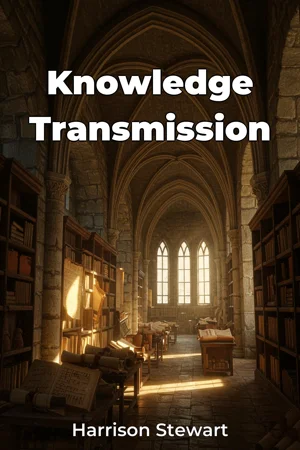
How did societies preserve knowledge before the printing press, and how did these methods shape intellectual progress? "Knowledge Transmission" explores the multifaceted history of how information has been conveyed and received across generations, examining the pivotal role of oral traditions, scrolls, and written texts in shaping education and intellectual growth. This book delves into the core mechanisms that have enabled societies to build upon past discoveries and transmit cultural values. The book is divided into three major sections. The first section examines the power of oral traditions, analyzing how stories, songs, and rituals served as primary vehicles for transmitting historical events, moral codes, and practical skills in pre-literate societies. We analyze examples from various cultures around the world, highlighting the sophisticated mnemonic techniques and social structures that enabled the reliable transmission of complex information over extended periods. The second section investigates the rise of scrolls and early written texts, focusing on the transformative impact of writing on knowledge preservation and dissemination. We trace the development of writing systems and explore how the creation of libraries and archives fostered new forms of intellectual inquiry and scholarly exchange. This section considers the impact of textual authority and the challenges of interpreting ancient texts. Finally, the third section explores the evolution of written texts, from manuscripts to early printed books, and their profound influence on education and intellectual growth. We examine the development of educational institutions and the changing role of the scholar in society. The central argument of "Knowledge Transmission" is that the methods used to preserve and transmit knowledge have not only determined what information survives but have also fundamentally shaped the way societies think, learn, and innovate. The book explores how these methods influenced the development of social structures, educational systems, and intellectual traditions. The evidence presented draws from a wide range of sources, including archaeological findings, analyses of ancient texts, historical accounts of educational practices, and anthropological studies of oral cultures. We utilize comparative analyses to highlight both the commonalities and the unique characteristics of different knowledge transmission systems across various cultures and historical periods. "Knowledge Transmission" connects to several other fields, including anthropology, sociology, and cognitive science. By exploring the social and cognitive aspects of knowledge transmission, we gain a deeper understanding of how culture shapes the human mind and how societies evolve over time. This interdisciplinary approach provides new insights into the lasting impact of knowledge transmission on human history. Throughout the book, we adopt an academic yet accessible style, seeking to engage both scholars and general readers who are interested in the history of knowledge. The book aims to provide a comprehensive overview of the field, synthesizing existing scholarship and presenting fresh perspectives on the ways in which knowledge has shaped human civilization. The target audience includes students and scholars in history, education, and related fields, as well as anyone with a general interest in the history of ideas and the evolution of human culture. The book offers a valuable resource for understanding the foundations of modern education and the ongoing challenges of knowledge preservation in the digital age. The book concludes by considering the implications of our historical analysis for contemporary society. As we grapple with the challenges of information overload and the rapid pace of technological change, understanding the principles of effective knowledge transmission becomes more important than ever. "Knowledge Transmission" offers a framework for thinking critically about the ways in which we preserve and share knowledge in the 21st century.
How did societies preserve knowledge before the printing press, and how did these methods shape intellectual progress? "Knowledge Transmission" explores the multifaceted history of how information has been conveyed and received across generations, examining the pivotal role of oral traditions, scrolls, and written texts in shaping education and intellectual growth. This book delves into the core mechanisms that have enabled societies to build upon past discoveries and transmit cultural values. The book is divided into three major sections. The first section examines the power of oral traditions, analyzing how stories, songs, and rituals served as primary vehicles for transmitting historical events, moral codes, and practical skills in pre-literate societies. We analyze examples from various cultures around the world, highlighting the sophisticated mnemonic techniques and social structures that enabled the reliable transmission of complex information over extended periods. The second section investigates the rise of scrolls and early written texts, focusing on the transformative impact of writing on knowledge preservation and dissemination. We trace the development of writing systems and explore how the creation of libraries and archives fostered new forms of intellectual inquiry and scholarly exchange. This section considers the impact of textual authority and the challenges of interpreting ancient texts. Finally, the third section explores the evolution of written texts, from manuscripts to early printed books, and their profound influence on education and intellectual growth. We examine the development of educational institutions and the changing role of the scholar in society. The central argument of "Knowledge Transmission" is that the methods used to preserve and transmit knowledge have not only determined what information survives but have also fundamentally shaped the way societies think, learn, and innovate. The book explores how these methods influenced the development of social structures, educational systems, and intellectual traditions. The evidence presented draws from a wide range of sources, including archaeological findings, analyses of ancient texts, historical accounts of educational practices, and anthropological studies of oral cultures. We utilize comparative analyses to highlight both the commonalities and the unique characteristics of different knowledge transmission systems across various cultures and historical periods. "Knowledge Transmission" connects to several other fields, including anthropology, sociology, and cognitive science. By exploring the social and cognitive aspects of knowledge transmission, we gain a deeper understanding of how culture shapes the human mind and how societies evolve over time. This interdisciplinary approach provides new insights into the lasting impact of knowledge transmission on human history. Throughout the book, we adopt an academic yet accessible style, seeking to engage both scholars and general readers who are interested in the history of knowledge. The book aims to provide a comprehensive overview of the field, synthesizing existing scholarship and presenting fresh perspectives on the ways in which knowledge has shaped human civilization. The target audience includes students and scholars in history, education, and related fields, as well as anyone with a general interest in the history of ideas and the evolution of human culture. The book offers a valuable resource for understanding the foundations of modern education and the ongoing challenges of knowledge preservation in the digital age. The book concludes by considering the implications of our historical analysis for contemporary society. As we grapple with the challenges of information overload and the rapid pace of technological change, understanding the principles of effective knowledge transmission becomes more important than ever. "Knowledge Transmission" offers a framework for thinking critically about the ways in which we preserve and share knowledge in the 21st century.
"Knowledge Transmission" explores the diverse methods societies have used to preserve and share knowledge across generations. From ancient oral traditions to the advent of written texts and early printed books, the book examines how these approaches shaped intellectual history, education, and cultural values. One intriguing fact is the use of sophisticated mnemonic techniques in pre-literate societies, enabling the reliable transmission of complex information through stories, songs, and rituals. Another is the transformative impact of writing on knowledge preservation, leading to the creation of libraries and archives that fostered scholarly exchange. The book uniquely emphasizes how knowledge transmission methods have not only determined what survives but also fundamentally shaped how societies think and innovate. It progresses through three major sections, starting with an analysis of oral traditions and moving to the rise of scrolls and written texts, before concluding with the evolution of printed books. By drawing from archaeological findings, ancient texts, and historical accounts, "Knowledge Transmission" offers a comprehensive overview suitable for both scholars and general readers interested in the history of knowledge.
Book Details
ISBN
9788235237309
Publisher
Publifye AS
Your Licenses
You don't own any licenses for this book
Purchase a license below to unlock this book and download the EPUB.
Purchase License
Select a tier to unlock this book
Need bulk licensing?
Contact us for enterprise agreements.