
About This Book
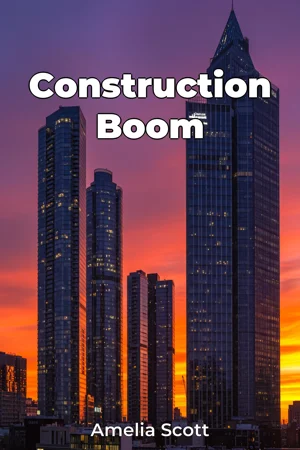
How does the relentless surge in construction fundamentally reshape not just our skylines but the very fabric of our economies and societies? "Construction Boom" delves into the multifaceted impact of the construction sector, examining its economic engines, transformative infrastructure projects, the dynamic world of real estate development, and the cutting-edge innovations that propel urban expansion. The book is essential reading for anyone seeking to understand how concrete, steel, and glass mold our world. The book focuses on three core themes: the economic significance of construction, the transformative power of infrastructure, and the evolving landscape of real estate development. Construction’s economic impact extends far beyond building sites. It serves as a key indicator of economic health, driving job creation, stimulating investment, and fostering growth across various sectors. Infrastructure projects, from transportation networks to energy systems, are the lifelines of modern societies, enabling commerce, connecting communities, and enhancing quality of life. Real estate development shapes urban environments, influencing housing availability, commercial activity, and overall urban design. These themes are critical because they collectively determine the trajectory of urban growth, economic stability, and societal well-being. "Construction Boom" argues that understanding the integrated dynamics of construction, infrastructure, and development is crucial for making informed decisions about urban planning, economic policy, and sustainable growth. This argument is vital because it challenges conventional siloed approaches, advocating for a holistic perspective that recognizes the interconnectedness of these sectors. The book unfolds in a structured manner. It begins by introducing the fundamental concepts and economic principles underpinning the construction sector. It explores the history of construction and the role of architecture, building from the post-war period forward. It then progresses to examine specific aspects of construction, including: a) Economic Impact Analysis: Detailing how construction activities influence GDP, employment rates, and investment patterns. This section will analyze macroeconomic trends and their correlation with construction investments. b) Infrastructure Development: Cases studies will showcase how strategic infrastructure projects reshape economies and societies. Emphasis will be on the importance of sustainable infrastructure solutions. c) Real Estate Dynamics: Exploring the interplay of supply and demand, property valuation, and urban planning in shaping real estate markets. It investigates the role of digital technologies in real estate development and management. The argument culminates in a discussion of sustainable construction practices, innovative design solutions, and policy frameworks that support responsible urban development. It concludes with practical insights and recommendations for policymakers, investors, and industry professionals. The book supports its arguments with a diverse range of evidence, incorporating economic data from national statistical agencies, case studies of successful and unsuccessful infrastructure projects, and market analyses of real estate trends. Statistical modeling and comparative analyses are employed to illustrate the impact of construction on economic indicators. Primary data from industry reports and surveys will be included to provide up-to-date insights. "Construction Boom" sits at the intersection of economics, architecture, and urban planning. It also draws connections to environmental science, exploring the ecological footprint of construction and the potential for sustainable building practices. It also touches on sociology by examining how urban developments impact communities. A unique aspect of this book is its integrated analysis of construction, infrastructure, and real estate, providing a holistic perspective often absent in specialized studies. It presents complex information in an accessible manner, making it suitable for a broad audience while maintaining academic rigor. Written in a professional style, the book aims to provide a balanced and objective assessment of the construction sector, avoiding jargon while maintaining analytical depth. The intended audience includes economists, urban planners, architects, real estate developers, policymakers, and investors seeking a broad and deep understanding of the construction industry. This book is valuable as it provides a comprehensive overview of the sector's economic drivers, innovative trends, and sustainability challenges. The scope of "Construction Boom" encompasses a global perspective, examining construction trends and practices across different regions and countries. However, it is limited by its focus on macro-level analysis, rather than detailed micro-level studies of individual construction projects. The information in the book can be applied to inform investment decisions, guide urban planning strategies, and develop policies that promote sustainable construction and responsible urban development. "Construction Boom" addresses ongoing debates surrounding urban sprawl, affordable housing, and the environmental impact of construction. It seeks to contribute to these discussions by providing evidence-based insights and promoting a more integrated approach to urban development.
How does the relentless surge in construction fundamentally reshape not just our skylines but the very fabric of our economies and societies? "Construction Boom" delves into the multifaceted impact of the construction sector, examining its economic engines, transformative infrastructure projects, the dynamic world of real estate development, and the cutting-edge innovations that propel urban expansion. The book is essential reading for anyone seeking to understand how concrete, steel, and glass mold our world. The book focuses on three core themes: the economic significance of construction, the transformative power of infrastructure, and the evolving landscape of real estate development. Construction’s economic impact extends far beyond building sites. It serves as a key indicator of economic health, driving job creation, stimulating investment, and fostering growth across various sectors. Infrastructure projects, from transportation networks to energy systems, are the lifelines of modern societies, enabling commerce, connecting communities, and enhancing quality of life. Real estate development shapes urban environments, influencing housing availability, commercial activity, and overall urban design. These themes are critical because they collectively determine the trajectory of urban growth, economic stability, and societal well-being. "Construction Boom" argues that understanding the integrated dynamics of construction, infrastructure, and development is crucial for making informed decisions about urban planning, economic policy, and sustainable growth. This argument is vital because it challenges conventional siloed approaches, advocating for a holistic perspective that recognizes the interconnectedness of these sectors. The book unfolds in a structured manner. It begins by introducing the fundamental concepts and economic principles underpinning the construction sector. It explores the history of construction and the role of architecture, building from the post-war period forward. It then progresses to examine specific aspects of construction, including: a) Economic Impact Analysis: Detailing how construction activities influence GDP, employment rates, and investment patterns. This section will analyze macroeconomic trends and their correlation with construction investments. b) Infrastructure Development: Cases studies will showcase how strategic infrastructure projects reshape economies and societies. Emphasis will be on the importance of sustainable infrastructure solutions. c) Real Estate Dynamics: Exploring the interplay of supply and demand, property valuation, and urban planning in shaping real estate markets. It investigates the role of digital technologies in real estate development and management. The argument culminates in a discussion of sustainable construction practices, innovative design solutions, and policy frameworks that support responsible urban development. It concludes with practical insights and recommendations for policymakers, investors, and industry professionals. The book supports its arguments with a diverse range of evidence, incorporating economic data from national statistical agencies, case studies of successful and unsuccessful infrastructure projects, and market analyses of real estate trends. Statistical modeling and comparative analyses are employed to illustrate the impact of construction on economic indicators. Primary data from industry reports and surveys will be included to provide up-to-date insights. "Construction Boom" sits at the intersection of economics, architecture, and urban planning. It also draws connections to environmental science, exploring the ecological footprint of construction and the potential for sustainable building practices. It also touches on sociology by examining how urban developments impact communities. A unique aspect of this book is its integrated analysis of construction, infrastructure, and real estate, providing a holistic perspective often absent in specialized studies. It presents complex information in an accessible manner, making it suitable for a broad audience while maintaining academic rigor. Written in a professional style, the book aims to provide a balanced and objective assessment of the construction sector, avoiding jargon while maintaining analytical depth. The intended audience includes economists, urban planners, architects, real estate developers, policymakers, and investors seeking a broad and deep understanding of the construction industry. This book is valuable as it provides a comprehensive overview of the sector's economic drivers, innovative trends, and sustainability challenges. The scope of "Construction Boom" encompasses a global perspective, examining construction trends and practices across different regions and countries. However, it is limited by its focus on macro-level analysis, rather than detailed micro-level studies of individual construction projects. The information in the book can be applied to inform investment decisions, guide urban planning strategies, and develop policies that promote sustainable construction and responsible urban development. "Construction Boom" addresses ongoing debates surrounding urban sprawl, affordable housing, and the environmental impact of construction. It seeks to contribute to these discussions by providing evidence-based insights and promoting a more integrated approach to urban development.
"Construction Boom" explores how the construction sector shapes economies and societies by examining its economic impact, infrastructure development, and real estate dynamics. The book emphasizes that construction serves as a critical economic indicator, driving job creation and investment across multiple sectors. For example, strategic infrastructure projects, such as transportation networks and energy systems, are essential for connecting communities and enabling commerce. This book uniquely integrates the analysis of construction, infrastructure, and real estate to provide a holistic view of urban development. It begins by introducing fundamental economic principles and then progresses to examine specific aspects like economic impact analysis, infrastructure case studies, and real estate market dynamics. The book supports its arguments with economic data, case studies, and market analyses, making complex information accessible to a wide audience including economists, urban planners and investors.
Book Details
ISBN
9788235237187
Publisher
Publifye AS
Your Licenses
You don't own any licenses for this book
Purchase a license below to unlock this book and download the EPUB.
Purchase License
Select a tier to unlock this book
Need bulk licensing?
Contact us for enterprise agreements.