
About This Book
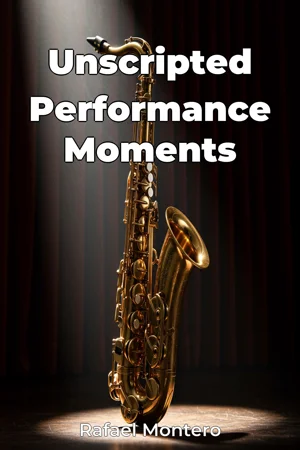
What happens when the script ends and the performance continues? "Unscripted Performance Moments" investigates the captivating realm where actors and musicians abandon the safety of pre-written material and embrace the unpredictable energy of improvisation, transforming potential disasters into some of the most unforgettable moments in live performance history. This book delves into the mechanics, psychology, and historical context surrounding these spontaneous acts of creativity across both music and performing arts. We explore two central themes: first, the *catalysts* that trigger improvisation, ranging from technical malfunctions and forgotten lines to audience interactions and the simple pursuit of artistic risk-taking. Second, we examine the *impact* of these improvisations, analyzing how they resonate with audiences, influence subsequent performances, and ultimately contribute to the cultural significance of the event. Understanding these themes is crucial because it reveals the inherent human capacity for adaptation and creativity under pressure, showcasing the power of live performance to transcend the planned and scripted. To fully appreciate these moments, some foundational knowledge of performance theory, musical forms (e.g., jazz, blues, classical structures), and dramatic conventions is helpful, though not strictly required. The book provides sufficient background on prominent figures, significant performances, and essential concepts to make the content accessible to a broad audience interested in performance history and theory. The central argument of "Unscripted Performance Moments" is that successful improvisations are not simply accidents; they are the product of honed skills, deep understanding of the performance context, and a willingness to embrace vulnerability and connection with the audience. This argument is vital because it shifts the focus from viewing improvisation as a deviation from the planned performance to recognizing it as a fundamental aspect of artistic expression, particularly in live settings. The book unfolds systematically, first introducing the core concepts of improvisation in both music and theater. It then dedicates chapters to specific case studies, analyzing improvisational moments in genres like jazz concerts (examining legends like Miles Davis), theatrical productions (analyzing notable performances of Shakespeare), and even seemingly rigid arenas like classical music performance. Through detailed analysis of available recordings, transcripts, and critical reviews, the book explores how these moments arose, how the performers responded, and how the audience perceived them. Finally, the book culminates in an exploration of the broader implications of improvisation for understanding creativity, collaboration, and the dynamic relationship between performer and audience. Woven through this analysis are practical implications for performers seeking to integrate improvisation into their own work, and for audiences seeking to appreciate the nuanced artistry of live performance. The evidence presented consists of detailed analyses of recorded performances, interviews with performers (where available), archival materials like stage notes and production reports, and critical reviews from the relevant periods. A unique data source is the cross-referencing of audience accounts from social media and online forums with professional reviews, providing a multi-faceted perspective on the impact of these improvisational moments. This book bridges several disciplines, connecting performance studies with musicology, psychology (specifically studies of creativity and flow states), and even business management (exploring parallels between improvisational teams and agile project management). These connections enrich our understanding of improvisation by demonstrating its relevance beyond the stage and into broader aspects of human endeavor. What sets "Unscripted Performance Moments" apart is its focus on the granular details of specific improvisational events, moving beyond anecdotal accounts to provide a rigorous analysis of the techniques, decisions, and consequences involved. This approach allows for a deeper appreciation of the skill and artistry required to navigate the unpredictable landscape of live performance. The book maintains a tone that is both scholarly and accessible, blending rigorous research with engaging storytelling. The goal is to inform and enlighten readers without overwhelming them with jargon or academic dryness. The target audience includes students and scholars of music and theater, working performers seeking to enhance their improvisational skills, and anyone with a general interest in the performing arts and the creative process. The book's value lies in its ability to provide a deeper understanding of the dynamics of live performance and the transformative power of improvisation. Adhering to the conventions of non-fiction, the book presents factual information, supported by evidence and analysis, while also incorporating narrative elements to enhance readability and engagement. The book's scope is limited to examples of intentional or unintentional improvisation in live music and theater performances, primarily focusing on well-documented cases. It does not delve into the broader philosophical or sociological implications of improvisation, nor does it attempt to provide a comprehensive history of improvisation in all art forms. The information presented can be practically applied by performers seeking to develop their improvisational skills, by directors and producers looking to foster a more creative and responsive environment within their productions, and by audience members seeking a deeper appreciation of the artistry involved in live performance. While the value of improvisation is generally celebrated, there are ongoing debates about the appropriate role of improvisation in different performance contexts, particularly in traditionally scripted or composed works. This book acknowledges these debates, offering a balanced perspective on the potential benefits and risks of embracing the unscripted moment.
What happens when the script ends and the performance continues? "Unscripted Performance Moments" investigates the captivating realm where actors and musicians abandon the safety of pre-written material and embrace the unpredictable energy of improvisation, transforming potential disasters into some of the most unforgettable moments in live performance history. This book delves into the mechanics, psychology, and historical context surrounding these spontaneous acts of creativity across both music and performing arts. We explore two central themes: first, the *catalysts* that trigger improvisation, ranging from technical malfunctions and forgotten lines to audience interactions and the simple pursuit of artistic risk-taking. Second, we examine the *impact* of these improvisations, analyzing how they resonate with audiences, influence subsequent performances, and ultimately contribute to the cultural significance of the event. Understanding these themes is crucial because it reveals the inherent human capacity for adaptation and creativity under pressure, showcasing the power of live performance to transcend the planned and scripted. To fully appreciate these moments, some foundational knowledge of performance theory, musical forms (e.g., jazz, blues, classical structures), and dramatic conventions is helpful, though not strictly required. The book provides sufficient background on prominent figures, significant performances, and essential concepts to make the content accessible to a broad audience interested in performance history and theory. The central argument of "Unscripted Performance Moments" is that successful improvisations are not simply accidents; they are the product of honed skills, deep understanding of the performance context, and a willingness to embrace vulnerability and connection with the audience. This argument is vital because it shifts the focus from viewing improvisation as a deviation from the planned performance to recognizing it as a fundamental aspect of artistic expression, particularly in live settings. The book unfolds systematically, first introducing the core concepts of improvisation in both music and theater. It then dedicates chapters to specific case studies, analyzing improvisational moments in genres like jazz concerts (examining legends like Miles Davis), theatrical productions (analyzing notable performances of Shakespeare), and even seemingly rigid arenas like classical music performance. Through detailed analysis of available recordings, transcripts, and critical reviews, the book explores how these moments arose, how the performers responded, and how the audience perceived them. Finally, the book culminates in an exploration of the broader implications of improvisation for understanding creativity, collaboration, and the dynamic relationship between performer and audience. Woven through this analysis are practical implications for performers seeking to integrate improvisation into their own work, and for audiences seeking to appreciate the nuanced artistry of live performance. The evidence presented consists of detailed analyses of recorded performances, interviews with performers (where available), archival materials like stage notes and production reports, and critical reviews from the relevant periods. A unique data source is the cross-referencing of audience accounts from social media and online forums with professional reviews, providing a multi-faceted perspective on the impact of these improvisational moments. This book bridges several disciplines, connecting performance studies with musicology, psychology (specifically studies of creativity and flow states), and even business management (exploring parallels between improvisational teams and agile project management). These connections enrich our understanding of improvisation by demonstrating its relevance beyond the stage and into broader aspects of human endeavor. What sets "Unscripted Performance Moments" apart is its focus on the granular details of specific improvisational events, moving beyond anecdotal accounts to provide a rigorous analysis of the techniques, decisions, and consequences involved. This approach allows for a deeper appreciation of the skill and artistry required to navigate the unpredictable landscape of live performance. The book maintains a tone that is both scholarly and accessible, blending rigorous research with engaging storytelling. The goal is to inform and enlighten readers without overwhelming them with jargon or academic dryness. The target audience includes students and scholars of music and theater, working performers seeking to enhance their improvisational skills, and anyone with a general interest in the performing arts and the creative process. The book's value lies in its ability to provide a deeper understanding of the dynamics of live performance and the transformative power of improvisation. Adhering to the conventions of non-fiction, the book presents factual information, supported by evidence and analysis, while also incorporating narrative elements to enhance readability and engagement. The book's scope is limited to examples of intentional or unintentional improvisation in live music and theater performances, primarily focusing on well-documented cases. It does not delve into the broader philosophical or sociological implications of improvisation, nor does it attempt to provide a comprehensive history of improvisation in all art forms. The information presented can be practically applied by performers seeking to develop their improvisational skills, by directors and producers looking to foster a more creative and responsive environment within their productions, and by audience members seeking a deeper appreciation of the artistry involved in live performance. While the value of improvisation is generally celebrated, there are ongoing debates about the appropriate role of improvisation in different performance contexts, particularly in traditionally scripted or composed works. This book acknowledges these debates, offering a balanced perspective on the potential benefits and risks of embracing the unscripted moment.
"Unscripted Performance Moments" explores the captivating world of improvisation in live music and theater, revealing how performers navigate unexpected situations to create unforgettable art. The book examines the catalysts that trigger improvisation, such as technical mishaps or audience interaction, and the impact these moments have on the performance's cultural significance. One might be surprised to learn how frequently improvisation occurs even in seemingly rigid genres like classical music or Shakespearean plays. The book systematically progresses from foundational concepts to case studies, analyzing improvisational moments in jazz, theater, and classical music. It argues that successful improvisations are not mere accidents but the result of honed skills and a deep understanding of performance context. This perspective values improvisation as a fundamental aspect of artistic expression, not a deviation from the planned performance. By analyzing recordings, transcripts, and reviews, "Unscripted Performance Moments" provides a deeper understanding of the dynamics between performer and audience, making it valuable for both performers and enthusiasts of the performing arts.
Book Details
ISBN
9788235237088
Publisher
Publifye AS
Your Licenses
You don't own any licenses for this book
Purchase a license below to unlock this book and download the EPUB.
Purchase License
Select a tier to unlock this book
Need bulk licensing?
Contact us for enterprise agreements.