
About This Book
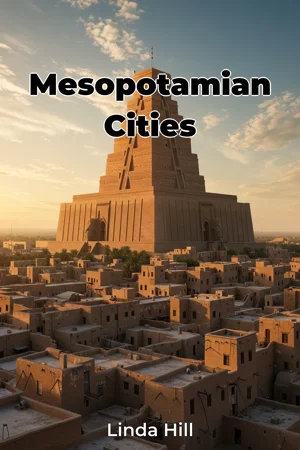
How did the world's first cities truly function? "Mesopotamian Cities" delves into the heart of urban life in ancient Mesopotamia, exploring the sophisticated systems of governance, intricate urban planning, and pivotal role these cities played in shaping early human civilization. This book is significant because understanding Mesopotamian urban centers provides critical insight into the origins of social structures, political systems, and technological advancements that continue to influence modern society. This book explores the rise and function of Mesopotamian cities between 3500 and 500 BCE. It examines the evolution of urban planning, architecture, and infrastructure, demonstrating how cities like Uruk, Babylon, and Ur served as centers of innovation. It explores the complex systems of governance, law, and social organization that characterized Mesopotamian city-states. The book argues that Mesopotamian cities were not simply settlements but complex, dynamic entities that catalyzed societal progress and established enduring models for urban development. The book is structured into three major sections. The first section introduces the geographical and historical context of Mesopotamia, outlining the environmental conditions, cultural landscape, and prerequisite knowledge necessary to understand the region's urban development. This includes a review of the major periods (Sumerian, Akkadian, Babylonian, Assyrian) and their defining characteristics. The second section examines the physical structure of Mesopotamian cities, detailing the layout of temples, palaces, residential areas, and defensive fortifications. It analyzes the engineering feats involved in constructing canals, ziggurats, and other monumental structures, highlighting the technological sophistication of Mesopotamian builders. The third section investigates the social, economic, and political life within these cities. It explores the roles of different social classes, the administration of justice, the management of resources, and the conduct of warfare, offering a holistic view of urban life. The book relies on primary sources, including cuneiform texts, archaeological reports, and architectural plans, to reconstruct the daily lives of Mesopotamians. It incorporates interdisciplinary perspectives from archaeology, anthropology, history, and linguistics to provide a comprehensive analysis. It connects Mesopotamian urban development to broader historical trends, such as the rise of agriculture, the development of writing, and the formation of empires. The book distinguishes itself through its integrated approach, combining archaeological evidence with textual analysis to provide a nuanced understanding of Mesopotamian urban life. It adopts an academic tone, ensuring a rigorous and evidence-based analysis suitable for students, researchers, and general readers interested in history and archaeology. The book is intended for anyone with a curiosity about the ancient world and the origins of urban civilization. It provides a detailed yet accessible account of Mesopotamian cities and their lasting legacy. While the book focuses primarily on the major urban centers of Mesopotamia, it acknowledges the limitations of the available evidence and the ongoing debates surrounding the interpretation of ancient texts and artifacts. The information presented can be applied to understanding contemporary issues related to urbanization, governance, and social organization. The book addresses controversies surrounding the interpretation of cuneiform texts, offering balanced perspectives on contested issues.
How did the world's first cities truly function? "Mesopotamian Cities" delves into the heart of urban life in ancient Mesopotamia, exploring the sophisticated systems of governance, intricate urban planning, and pivotal role these cities played in shaping early human civilization. This book is significant because understanding Mesopotamian urban centers provides critical insight into the origins of social structures, political systems, and technological advancements that continue to influence modern society. This book explores the rise and function of Mesopotamian cities between 3500 and 500 BCE. It examines the evolution of urban planning, architecture, and infrastructure, demonstrating how cities like Uruk, Babylon, and Ur served as centers of innovation. It explores the complex systems of governance, law, and social organization that characterized Mesopotamian city-states. The book argues that Mesopotamian cities were not simply settlements but complex, dynamic entities that catalyzed societal progress and established enduring models for urban development. The book is structured into three major sections. The first section introduces the geographical and historical context of Mesopotamia, outlining the environmental conditions, cultural landscape, and prerequisite knowledge necessary to understand the region's urban development. This includes a review of the major periods (Sumerian, Akkadian, Babylonian, Assyrian) and their defining characteristics. The second section examines the physical structure of Mesopotamian cities, detailing the layout of temples, palaces, residential areas, and defensive fortifications. It analyzes the engineering feats involved in constructing canals, ziggurats, and other monumental structures, highlighting the technological sophistication of Mesopotamian builders. The third section investigates the social, economic, and political life within these cities. It explores the roles of different social classes, the administration of justice, the management of resources, and the conduct of warfare, offering a holistic view of urban life. The book relies on primary sources, including cuneiform texts, archaeological reports, and architectural plans, to reconstruct the daily lives of Mesopotamians. It incorporates interdisciplinary perspectives from archaeology, anthropology, history, and linguistics to provide a comprehensive analysis. It connects Mesopotamian urban development to broader historical trends, such as the rise of agriculture, the development of writing, and the formation of empires. The book distinguishes itself through its integrated approach, combining archaeological evidence with textual analysis to provide a nuanced understanding of Mesopotamian urban life. It adopts an academic tone, ensuring a rigorous and evidence-based analysis suitable for students, researchers, and general readers interested in history and archaeology. The book is intended for anyone with a curiosity about the ancient world and the origins of urban civilization. It provides a detailed yet accessible account of Mesopotamian cities and their lasting legacy. While the book focuses primarily on the major urban centers of Mesopotamia, it acknowledges the limitations of the available evidence and the ongoing debates surrounding the interpretation of ancient texts and artifacts. The information presented can be applied to understanding contemporary issues related to urbanization, governance, and social organization. The book addresses controversies surrounding the interpretation of cuneiform texts, offering balanced perspectives on contested issues.
"Mesopotamian Cities" explores the rise and function of urban life in ancient Mesopotamia, revealing sophisticated systems of governance and intricate urban planning. This book is significant because understanding these ancient urban centers provides insight into the origins of social structures and political systems that influence modern society. Cities like Uruk, Babylon, and Ur were not just settlements but dynamic entities that catalyzed societal progress. These cities were centers of innovation where the earliest forms of writing and law emerged. The book progresses through the geographical and historical context of Mesopotamia, examining the physical structure of cities like the layout of temples and defensive fortifications, and investigating the social, economic, and political life within these metropolises. The engineering feats involved in constructing canals and ziggurats showcase the technological sophistication of Mesopotamian builders. Relying on primary sources like cuneiform texts and archaeological reports, the book offers a holistic view of urban life, making it a valuable resource for anyone curious about ancient history and urban development.
Book Details
ISBN
9788235236944
Publisher
Publifye AS
Your Licenses
You don't own any licenses for this book
Purchase a license below to unlock this book and download the EPUB.
Purchase License
Select a tier to unlock this book
Need bulk licensing?
Contact us for enterprise agreements.