
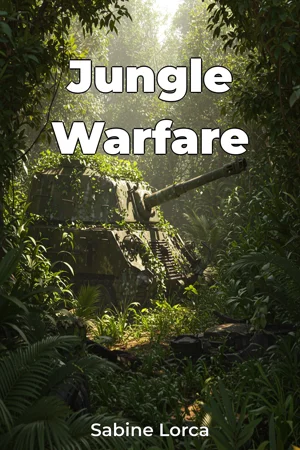
About This Book
Can military forces truly conquer the dense, unforgiving landscapes of jungles, or are they forever destined to adapt and endure? "Jungle Warfare" delves into the multifaceted challenges of combat within these environments, examining the adaptations, strategies, and enduring human cost associated with this unique form of conflict. This book is essential for understanding not only military history but also the complex interplay between environment, strategy, and human resilience. This book focuses on three key areas. First, it dissects the environmental realities of jungle warfare, including the impact of terrain, climate, and endemic diseases on military operations. Second, it analyzes the tactical and strategic innovations that have been developed to counter the inherent disadvantages of jungle environments. Third, it examines the psychological and physiological toll exacted on soldiers operating in these extreme conditions, providing a comprehensive understanding of the human element in jungle warfare. Historically, jungles have presented a formidable barrier to conventional military forces. The dense vegetation, difficult terrain, and challenging climate favor guerrilla tactics and ambushes, often negating technological advantages. Understanding this historical context is crucial to appreciating the adaptations military forces have made over time, from specialized training and equipment to novel operational doctrines. "Jungle Warfare" argues that successful military operations in jungle environments are not solely determined by firepower or technology, but by a comprehensive understanding of the environment, adaptation to its unique challenges, and the resilience of the soldiers involved. This argument is vital for military strategists, historians, and anyone seeking to comprehend the complexities of modern warfare. The book unfolds in a structured manner. It introduces the fundamental characteristics of jungle environments and their impact on military operations. It then explores specific historical campaigns, analyzing the strategies employed and their outcomes. Major sections cover the evolution of jungle warfare tactics, the development of specialized equipment and training, and the psychological impact on soldiers. The book culminates with an assessment of the ongoing challenges and future trends in jungle warfare. The analysis presented is grounded in extensive historical research, drawing upon primary source accounts from soldiers and commanders, as well as secondary analyses from military historians and strategists. Detailed case studies of key battles and campaigns illustrate the practical application of theoretical concepts. The methodologies employed include comparative analysis of different military approaches and quantitative data on casualty rates and operational effectiveness. This book offers connections to several related fields, including environmental studies, examining how military activities interact with fragile ecosystems. It also has links to the study of psychology, providing insights into the mental health challenges faced by soldiers in extreme environments, and to political science, analyzing the strategic implications of jungle warfare in asymmetric conflicts. "Jungle Warfare" stands apart by offering a holistic perspective, integrating environmental, tactical, and human factors to provide a complete picture of this challenging form of warfare. The book adopts a balanced and objective tone, presenting information in a clear and accessible style suitable for both academic and general audiences. The target audience includes military professionals, students of military history, and anyone with an interest in understanding the complexities of modern warfare. The book provides valuable insights into the challenges of operating in extreme environments and the importance of adaptation and resilience. As a work of military history, this book adheres to the genre's conventions of rigorous research, objective analysis, and clear presentation of evidence. The scope of the book is intentionally broad, covering a range of historical periods and geographical locations to provide a comprehensive overview of jungle warfare. However, it does not delve into the specifics of individual battles or campaigns in exhaustive detail, focusing instead on broader themes and trends. The lessons learned from the study of jungle warfare have practical applications for military training and operational planning. Understanding the challenges of operating in these environments can inform the development of more effective strategies and tactics. While there is broad agreement on the challenges of jungle warfare, debates persist regarding the most effective strategies for countering guerrilla resistance and minimizing casualties. "Jungle Warfare" addresses these debates by presenting a balanced assessment of different perspectives and offering evidence-based conclusions.
Can military forces truly conquer the dense, unforgiving landscapes of jungles, or are they forever destined to adapt and endure? "Jungle Warfare" delves into the multifaceted challenges of combat within these environments, examining the adaptations, strategies, and enduring human cost associated with this unique form of conflict. This book is essential for understanding not only military history but also the complex interplay between environment, strategy, and human resilience. This book focuses on three key areas. First, it dissects the environmental realities of jungle warfare, including the impact of terrain, climate, and endemic diseases on military operations. Second, it analyzes the tactical and strategic innovations that have been developed to counter the inherent disadvantages of jungle environments. Third, it examines the psychological and physiological toll exacted on soldiers operating in these extreme conditions, providing a comprehensive understanding of the human element in jungle warfare. Historically, jungles have presented a formidable barrier to conventional military forces. The dense vegetation, difficult terrain, and challenging climate favor guerrilla tactics and ambushes, often negating technological advantages. Understanding this historical context is crucial to appreciating the adaptations military forces have made over time, from specialized training and equipment to novel operational doctrines. "Jungle Warfare" argues that successful military operations in jungle environments are not solely determined by firepower or technology, but by a comprehensive understanding of the environment, adaptation to its unique challenges, and the resilience of the soldiers involved. This argument is vital for military strategists, historians, and anyone seeking to comprehend the complexities of modern warfare. The book unfolds in a structured manner. It introduces the fundamental characteristics of jungle environments and their impact on military operations. It then explores specific historical campaigns, analyzing the strategies employed and their outcomes. Major sections cover the evolution of jungle warfare tactics, the development of specialized equipment and training, and the psychological impact on soldiers. The book culminates with an assessment of the ongoing challenges and future trends in jungle warfare. The analysis presented is grounded in extensive historical research, drawing upon primary source accounts from soldiers and commanders, as well as secondary analyses from military historians and strategists. Detailed case studies of key battles and campaigns illustrate the practical application of theoretical concepts. The methodologies employed include comparative analysis of different military approaches and quantitative data on casualty rates and operational effectiveness. This book offers connections to several related fields, including environmental studies, examining how military activities interact with fragile ecosystems. It also has links to the study of psychology, providing insights into the mental health challenges faced by soldiers in extreme environments, and to political science, analyzing the strategic implications of jungle warfare in asymmetric conflicts. "Jungle Warfare" stands apart by offering a holistic perspective, integrating environmental, tactical, and human factors to provide a complete picture of this challenging form of warfare. The book adopts a balanced and objective tone, presenting information in a clear and accessible style suitable for both academic and general audiences. The target audience includes military professionals, students of military history, and anyone with an interest in understanding the complexities of modern warfare. The book provides valuable insights into the challenges of operating in extreme environments and the importance of adaptation and resilience. As a work of military history, this book adheres to the genre's conventions of rigorous research, objective analysis, and clear presentation of evidence. The scope of the book is intentionally broad, covering a range of historical periods and geographical locations to provide a comprehensive overview of jungle warfare. However, it does not delve into the specifics of individual battles or campaigns in exhaustive detail, focusing instead on broader themes and trends. The lessons learned from the study of jungle warfare have practical applications for military training and operational planning. Understanding the challenges of operating in these environments can inform the development of more effective strategies and tactics. While there is broad agreement on the challenges of jungle warfare, debates persist regarding the most effective strategies for countering guerrilla resistance and minimizing casualties. "Jungle Warfare" addresses these debates by presenting a balanced assessment of different perspectives and offering evidence-based conclusions.
"Jungle Warfare" explores the intricate dynamics of military operations within dense jungle environments, highlighting the adaptations and strategies employed throughout history. It examines how factors like terrain, climate, and endemic diseases shape military operations, often favoring guerrilla tactics over conventional warfare. The book underscores that successful jungle warfare hinges not only on firepower but also on a deep understanding of the environment and the resilience of soldiers, who face unique psychological and physiological challenges in these extreme conditions. The book dissects historical campaigns to reveal the evolution of jungle warfare tactics, specialized equipment, and training programs. For example, the dense vegetation often negates technological advantages, requiring innovative military strategy and asymmetric conflict approaches. It delves into the human element, illustrating the significant psychological toll on soldiers operating in such unforgiving conditions, such as the heightened stress and mental health issues. This comprehensive analysis progresses from defining the environmental characteristics of jungles to assessing ongoing challenges and future trends in jungle warfare, making it valuable for military strategists, historians, and anyone interested in understanding modern warfare's complexities. By integrating environmental, tactical, and human factors, "Jungle Warfare" offers a holistic perspective on this challenging aspect of military history.
Book Details
ISBN
9788235236272
Publisher
Publifye AS
Your Licenses
You don't own any licenses for this book
Purchase a license below to unlock this book and download the EPUB.
Purchase License
Select a tier to unlock this book
Need bulk licensing?
Contact us for enterprise agreements.