
About This Book
Are video games a harmless pastime, or a potential trigger for mental health disorders and addictive behaviors? Gaming's pervasive influence on modern society necessitates a critical examination of its potential downsides. This book, "Gaming Addiction Effects," delves into the complex relationship between excessive gaming and mental well-being, exploring the factors that contribute to gaming addiction and the psychological mechanisms that drive compulsive play. It's essential reading for anyone seeking to understand the darker side of our increasingly digital world. We address three key areas: the impact of excessive gaming on mental health, the underlying causes of gaming addiction, and the psychological triggers that fuel compulsive gaming behaviors. Excessive gaming is linked to increased anxiety, depression, social isolation, and sleep disturbances, particularly among adolescents and young adults. Understanding the addiction process is crucial. While not everyone who games becomes addicted, certain individuals are more susceptible due to pre-existing mental health conditions, personality traits, or environmental factors. Finally, we identify and analyze the psychological triggers – such as reward systems, the desire for achievement, and social interaction within games – that can lead to compulsive play. This book provides crucial context by examining the evolution of gaming, from its humble beginnings to its current status as a multi-billion dollar industry. We explore how game design principles, social dynamics within online communities, and the increasing accessibility of gaming platforms contribute to the risk of addiction. No prior knowledge of psychology or game design is required; we present all information in a clear and accessible manner. The central argument of "Gaming Addiction Effects" is that, while gaming can be a source of entertainment and social connection, excessive and uncontrolled gaming can have detrimental effects on mental health and overall well-being. Understanding the risk factors and psychological mechanisms involved is critical for prevention, early intervention, and effective treatment. The book is structured in three parts. The first part introduces the concept of gaming addiction, differentiating it from casual gaming and exploring diagnostic criteria. The second part delves into the psychological factors that contribute to gaming addiction, including cognitive biases, coping mechanisms, and personality traits. The third section examines the specific effects of excessive gaming on various aspects of mental health, such as mood disorders, anxiety, attention deficits, and social functioning. Concluding the book, we provide practical strategies for individuals struggling with gaming addiction, as well as guidance for parents, educators, and mental health professionals. Evidence-based analysis is a cornerstone of this work. We draw upon a wide array of sources, including peer-reviewed research articles, clinical case studies, and statistical data from studies on gaming behavior and mental health. Unique data sources, such as analyses of online gaming forums and surveys of gamers, provide valuable insights into the lived experiences of individuals struggling with gaming addiction. This book bridges several disciplines. It connects to the field of psychology by applying psychological theories of addiction, motivation, and cognitive behavior to the context of gaming. It also connects to the field of sociology by examining the social dynamics of online gaming communities and their influence on gaming behavior. Moreover, it connects to the field of public health by exploring the potential public health implications of widespread gaming addiction. Our approach is to present a balanced and nuanced perspective on gaming, acknowledging its potential benefits while also highlighting its risks. We offer practical strategies for managing gaming behavior and promoting healthy gaming habits. Written in a clear and accessible style, "Gaming Addiction Effects" is designed for a broad audience, including individuals who are concerned about their own gaming habits, parents who are worried about their children's gaming behavior, educators who want to understand the impact of gaming on their students, and mental health professionals who are seeking to better understand and treat gaming addiction. The scope of this book is limited to the psychological and behavioral aspects of gaming addiction. While we acknowledge the potential physical health consequences of excessive gaming, such as eye strain and carpal tunnel syndrome, we do not delve into these issues in detail. The information in this book can be applied in a variety of real-world settings. Individuals can use the strategies outlined in the book to manage their own gaming behavior and prevent addiction. Parents can use the guidance provided to set healthy boundaries for their children's gaming habits. Educators can use the information to educate their students about the risks of gaming addiction. Mental health professionals can use the book to inform their assessment and treatment of gaming addiction. Gaming addiction is a complex and evolving field, and there are ongoing debates about its diagnostic criteria, prevalence, and treatment. This book addresses these debates by presenting different perspectives and discussing the limitations of current knowledge.
Are video games a harmless pastime, or a potential trigger for mental health disorders and addictive behaviors? Gaming's pervasive influence on modern society necessitates a critical examination of its potential downsides. This book, "Gaming Addiction Effects," delves into the complex relationship between excessive gaming and mental well-being, exploring the factors that contribute to gaming addiction and the psychological mechanisms that drive compulsive play. It's essential reading for anyone seeking to understand the darker side of our increasingly digital world. We address three key areas: the impact of excessive gaming on mental health, the underlying causes of gaming addiction, and the psychological triggers that fuel compulsive gaming behaviors. Excessive gaming is linked to increased anxiety, depression, social isolation, and sleep disturbances, particularly among adolescents and young adults. Understanding the addiction process is crucial. While not everyone who games becomes addicted, certain individuals are more susceptible due to pre-existing mental health conditions, personality traits, or environmental factors. Finally, we identify and analyze the psychological triggers – such as reward systems, the desire for achievement, and social interaction within games – that can lead to compulsive play. This book provides crucial context by examining the evolution of gaming, from its humble beginnings to its current status as a multi-billion dollar industry. We explore how game design principles, social dynamics within online communities, and the increasing accessibility of gaming platforms contribute to the risk of addiction. No prior knowledge of psychology or game design is required; we present all information in a clear and accessible manner. The central argument of "Gaming Addiction Effects" is that, while gaming can be a source of entertainment and social connection, excessive and uncontrolled gaming can have detrimental effects on mental health and overall well-being. Understanding the risk factors and psychological mechanisms involved is critical for prevention, early intervention, and effective treatment. The book is structured in three parts. The first part introduces the concept of gaming addiction, differentiating it from casual gaming and exploring diagnostic criteria. The second part delves into the psychological factors that contribute to gaming addiction, including cognitive biases, coping mechanisms, and personality traits. The third section examines the specific effects of excessive gaming on various aspects of mental health, such as mood disorders, anxiety, attention deficits, and social functioning. Concluding the book, we provide practical strategies for individuals struggling with gaming addiction, as well as guidance for parents, educators, and mental health professionals. Evidence-based analysis is a cornerstone of this work. We draw upon a wide array of sources, including peer-reviewed research articles, clinical case studies, and statistical data from studies on gaming behavior and mental health. Unique data sources, such as analyses of online gaming forums and surveys of gamers, provide valuable insights into the lived experiences of individuals struggling with gaming addiction. This book bridges several disciplines. It connects to the field of psychology by applying psychological theories of addiction, motivation, and cognitive behavior to the context of gaming. It also connects to the field of sociology by examining the social dynamics of online gaming communities and their influence on gaming behavior. Moreover, it connects to the field of public health by exploring the potential public health implications of widespread gaming addiction. Our approach is to present a balanced and nuanced perspective on gaming, acknowledging its potential benefits while also highlighting its risks. We offer practical strategies for managing gaming behavior and promoting healthy gaming habits. Written in a clear and accessible style, "Gaming Addiction Effects" is designed for a broad audience, including individuals who are concerned about their own gaming habits, parents who are worried about their children's gaming behavior, educators who want to understand the impact of gaming on their students, and mental health professionals who are seeking to better understand and treat gaming addiction. The scope of this book is limited to the psychological and behavioral aspects of gaming addiction. While we acknowledge the potential physical health consequences of excessive gaming, such as eye strain and carpal tunnel syndrome, we do not delve into these issues in detail. The information in this book can be applied in a variety of real-world settings. Individuals can use the strategies outlined in the book to manage their own gaming behavior and prevent addiction. Parents can use the guidance provided to set healthy boundaries for their children's gaming habits. Educators can use the information to educate their students about the risks of gaming addiction. Mental health professionals can use the book to inform their assessment and treatment of gaming addiction. Gaming addiction is a complex and evolving field, and there are ongoing debates about its diagnostic criteria, prevalence, and treatment. This book addresses these debates by presenting different perspectives and discussing the limitations of current knowledge.
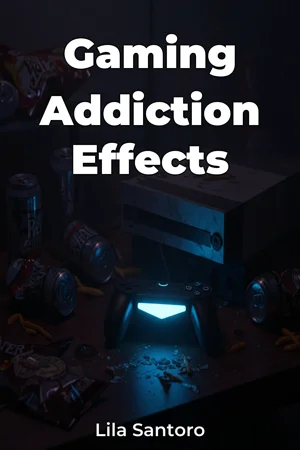
"Gaming Addiction Effects" explores the complex relationship between excessive video game use and mental well-being. It examines the rise of gaming, now a multi-billion dollar industry, and how its design, social dynamics, and accessibility can contribute to addictive behaviors. The book addresses how compulsive gaming can lead to increased anxiety, depression, social isolation, and sleep disturbances, especially among adolescents and young adults, while also acknowledging that not everyone who games becomes addicted. The book presents a balanced view, acknowledging gaming's potential benefits while highlighting its risks. It progresses systematically, first by defining gaming addiction and differentiating it from casual play. It then delves into the psychological factors and cognitive biases that contribute to addiction, followed by an examination of the specific effects of excessive gaming on mental health. This approach is based on peer-reviewed research, clinical case studies, and unique data sources, such as analyses of online gaming forums. Ultimately, "Gaming Addiction Effects" offers practical strategies for managing gaming behavior, providing guidance for individuals, parents, educators, and mental health professionals. It aims to equip readers with the knowledge to understand, prevent, and address gaming addiction in an increasingly digital world, promoting digital well-being.
Book Details
ISBN
9788235236104
Publisher
Publifye AS
Your Licenses
You don't own any licenses for this book
Purchase a license below to unlock this book and download the EPUB.
Purchase License
Select a tier to unlock this book
Need bulk licensing?
Contact us for enterprise agreements.