
About This Book
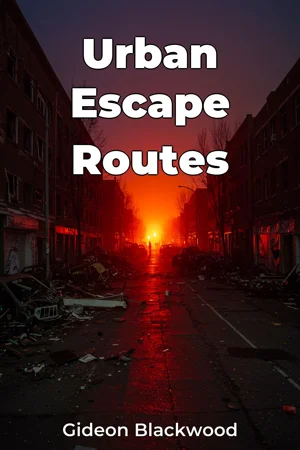
What if the only way to survive a city under siege was to orchestrate its mass exodus? "Urban Escape Routes" dissects the complex planning and execution required for large-scale urban evacuations under extreme threat conditions such as bombings, civil unrest, or other catastrophic events. This book examines the convergence of crowd control strategies, the establishment of secure evacuation corridors, and the integration of real-time intelligence gathering via drone technology as critical components of successful crisis response planning. Understanding these elements is vital for policymakers, emergency management professionals, and military strategists facing the increasing risks of urban conflict and disaster. This analysis hinges on three core themes: the psychology of crowd behavior under duress, the logistical challenges of creating and maintaining safe passage through hostile environments, and the evolving role of technology in monitoring and managing evacuation flows. Each theme is meticulously explored, drawing upon historical precedents, contemporary case studies, and forward-looking analyses of emerging threats. The historical context of urban evacuations, from ancient sieges to more recent conflicts, provides crucial insights into the recurring problems and potential solutions. Examining past events reveals common pitfalls such as inadequate planning, communication breakdowns, and the exploitation of fleeing populations by hostile actors. Modern examples, including evacuations necessitated by natural disasters and civil conflicts, illustrate the increasing complexity of urban environments and the need for adaptable strategies. The central argument of "Urban Escape Routes" is that effective urban evacuation planning requires a holistic, multi-disciplinary approach that integrates psychological understanding, logistical expertise, and technological innovation. It asserts that neglecting any one of these areas significantly increases the risk of failure, leading to increased casualties and prolonged instability. The book is structured to systematically build upon this argument. First, it introduces the core concepts of crowd dynamics, evacuation corridor design, and drone-based surveillance. Second, it delves into detailed case studies, examining both successful and unsuccessful evacuation attempts to identify best practices and common errors. This section will evaluate incidents of urban unrest, terror attacks, and natural disasters, analyzing the variables, challenges, and results of each event. Third, the book culminates in a proposed framework for developing comprehensive urban evacuation plans, providing actionable guidelines for policymakers and emergency responders. This framework covers risk assessment, resource allocation, communication strategies, and post-evacuation support. Finally, the book explores the ethical implications of using advanced technologies like facial recognition and predictive analytics in evacuation scenarios, highlighting potential privacy concerns and biases. The evidence presented in "Urban Escape Routes" draws upon a diverse range of sources, including government reports, military manuals, academic studies, and first-hand accounts from emergency responders and evacuees. Unique data comes from simulations run using agent-based modeling to predict crowd behavior under various conditions. Interdisciplinary connections are made to fields such as psychology (understanding panic and group behavior), civil engineering (designing resilient infrastructure), and information technology (developing communication and surveillance systems). These connections highlight the multifaceted nature of urban evacuation planning and the need for collaboration across different sectors. "Urban Escape Routes" offers a unique perspective by combining rigorous analysis of historical precedents with cutting-edge technological insights. It moves beyond reactive response strategies to advocate for proactive, data-driven planning that anticipates and mitigates potential risks. The tone is analytical and informative, presenting complex information in a clear and accessible manner. The book avoids sensationalism, focusing instead on providing practical, evidence-based guidance. The target audience includes emergency management professionals, urban planners, military strategists, policymakers, and academics interested in disaster preparedness and urban security. It will also appeal to general readers interested in understanding the challenges of managing large-scale crises in urban environments. This book adheres to the conventions of current events, military history, and history military genres by providing factual accounts, detailed analysis, and strategic insights relevant to contemporary challenges. The scope is limited to urban environments, focusing on evacuation strategies under threat conditions, rather than general disaster relief efforts. The information presented in "Urban Escape Routes" can be applied directly to the development of more effective urban evacuation plans, improving the safety and resilience of cities around the world. The book addresses ongoing debates about the use of technology in crisis response, offering a balanced perspective that acknowledges both the potential benefits and the potential risks.
What if the only way to survive a city under siege was to orchestrate its mass exodus? "Urban Escape Routes" dissects the complex planning and execution required for large-scale urban evacuations under extreme threat conditions such as bombings, civil unrest, or other catastrophic events. This book examines the convergence of crowd control strategies, the establishment of secure evacuation corridors, and the integration of real-time intelligence gathering via drone technology as critical components of successful crisis response planning. Understanding these elements is vital for policymakers, emergency management professionals, and military strategists facing the increasing risks of urban conflict and disaster. This analysis hinges on three core themes: the psychology of crowd behavior under duress, the logistical challenges of creating and maintaining safe passage through hostile environments, and the evolving role of technology in monitoring and managing evacuation flows. Each theme is meticulously explored, drawing upon historical precedents, contemporary case studies, and forward-looking analyses of emerging threats. The historical context of urban evacuations, from ancient sieges to more recent conflicts, provides crucial insights into the recurring problems and potential solutions. Examining past events reveals common pitfalls such as inadequate planning, communication breakdowns, and the exploitation of fleeing populations by hostile actors. Modern examples, including evacuations necessitated by natural disasters and civil conflicts, illustrate the increasing complexity of urban environments and the need for adaptable strategies. The central argument of "Urban Escape Routes" is that effective urban evacuation planning requires a holistic, multi-disciplinary approach that integrates psychological understanding, logistical expertise, and technological innovation. It asserts that neglecting any one of these areas significantly increases the risk of failure, leading to increased casualties and prolonged instability. The book is structured to systematically build upon this argument. First, it introduces the core concepts of crowd dynamics, evacuation corridor design, and drone-based surveillance. Second, it delves into detailed case studies, examining both successful and unsuccessful evacuation attempts to identify best practices and common errors. This section will evaluate incidents of urban unrest, terror attacks, and natural disasters, analyzing the variables, challenges, and results of each event. Third, the book culminates in a proposed framework for developing comprehensive urban evacuation plans, providing actionable guidelines for policymakers and emergency responders. This framework covers risk assessment, resource allocation, communication strategies, and post-evacuation support. Finally, the book explores the ethical implications of using advanced technologies like facial recognition and predictive analytics in evacuation scenarios, highlighting potential privacy concerns and biases. The evidence presented in "Urban Escape Routes" draws upon a diverse range of sources, including government reports, military manuals, academic studies, and first-hand accounts from emergency responders and evacuees. Unique data comes from simulations run using agent-based modeling to predict crowd behavior under various conditions. Interdisciplinary connections are made to fields such as psychology (understanding panic and group behavior), civil engineering (designing resilient infrastructure), and information technology (developing communication and surveillance systems). These connections highlight the multifaceted nature of urban evacuation planning and the need for collaboration across different sectors. "Urban Escape Routes" offers a unique perspective by combining rigorous analysis of historical precedents with cutting-edge technological insights. It moves beyond reactive response strategies to advocate for proactive, data-driven planning that anticipates and mitigates potential risks. The tone is analytical and informative, presenting complex information in a clear and accessible manner. The book avoids sensationalism, focusing instead on providing practical, evidence-based guidance. The target audience includes emergency management professionals, urban planners, military strategists, policymakers, and academics interested in disaster preparedness and urban security. It will also appeal to general readers interested in understanding the challenges of managing large-scale crises in urban environments. This book adheres to the conventions of current events, military history, and history military genres by providing factual accounts, detailed analysis, and strategic insights relevant to contemporary challenges. The scope is limited to urban environments, focusing on evacuation strategies under threat conditions, rather than general disaster relief efforts. The information presented in "Urban Escape Routes" can be applied directly to the development of more effective urban evacuation plans, improving the safety and resilience of cities around the world. The book addresses ongoing debates about the use of technology in crisis response, offering a balanced perspective that acknowledges both the potential benefits and the potential risks.
"Urban Escape Routes" delves into the intricate strategies required for large-scale urban evacuations when cities face extreme threats. It highlights the necessity of integrating crowd control, secure evacuation corridors, and real-time intelligence via drone technology for effective crisis response. The book emphasizes that understanding crowd psychology and logistical challenges are crucial, especially given the increasing risks of urban conflict. For example, historical evacuations often failed due to communication breakdowns, a problem modern technology aims to solve. The book progresses from core concepts like crowd dynamics and drone-based surveillance to detailed case studies of both successful and unsuccessful evacuations. It ultimately proposes a comprehensive framework for urban evacuation plans, offering actionable guidelines for policymakers and emergency responders. By combining historical analysis with technological insights, "Urban Escape Routes" advocates for proactive, data-driven planning to mitigate risks and improve urban security.
Book Details
ISBN
9788235236074
Publisher
Publifye AS
Your Licenses
You don't own any licenses for this book
Purchase a license below to unlock this book and download the EPUB.
Purchase License
Select a tier to unlock this book
Need bulk licensing?
Contact us for enterprise agreements.