
About This Book
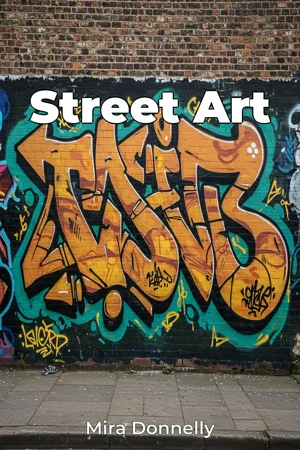
Can the unauthorized splash of color on a city wall truly be considered art? "Street Art" delves into the vibrant and often controversial world of unsanctioned public art, exploring how graffiti and murals have evolved from acts of vandalism to powerful forms of social commentary and urban beautification. This book examines the transformative impact of street artists on urban landscapes and the complex relationship between these artists, the communities they engage with, and the authorities who often oppose them. Two central themes drive the narrative: the aesthetic evolution of street art and its socio-political significance. We will trace the history of graffiti from its early roots in ancient markings to its modern iterations as complex aerosol masterpieces, analyzing the artistic techniques, styles, and motivations behind these works. Simultaneously, the book investigates the social impact of street art, exploring how it can serve as a voice for marginalized communities, spark public dialogue on critical issues, and contribute to urban regeneration. Understanding the context of street art requires navigating its historical development within counter-cultural movements and its ongoing negotiation with legal and ethical boundaries. The book provides a background on the origins of graffiti subcultures in the mid-20th century, examining their connection to hip-hop, punk rock, and other forms of artistic rebellion. It will also explore the legal frameworks surrounding street art, differentiating between vandalism, commissioned murals, and sanctioned public art projects. The central argument presented is that street art, despite its often illicit nature, is a vital form of contemporary art that reflects and shapes the social, political, and cultural landscapes of our cities. Furthermore, the book posits that understanding street art requires examining the complex interplay between artistic expression, community engagement, urban planning, and legal regulations. The book is structured to provide a comprehensive overview of the subject, beginning with an introduction to the core concepts of graffiti, murals, and public art. It then progresses through several key areas: the historical development of street art movements; the artistic techniques and styles employed by street artists; the social and political messages conveyed through street art; and the legal and ethical debates surrounding its production and preservation. The book culminates with a discussion of the future of street art, exploring its increasing acceptance in mainstream culture and its potential to contribute to more vibrant and equitable urban environments. The arguments are supported by a range of evidence, including case studies of notable street artists and artworks, interviews with artists and community members, and analyses of legal precedents and urban planning policies. The book also draws upon visual documentation of street art from around the world, showcasing the diversity and creativity of this art form. "Street Art" benefits from interdisciplinary connections to fields such as urban sociology, art history, and political science. By drawing upon sociological theories of urban space and community identity, the book explores how street art can contribute to a sense of place and belonging. By engaging with art historical perspectives, it analyzes the aesthetic qualities of street art and its relationship to broader artistic movements. And by considering political science frameworks, it examines the role of street art in promoting social change and challenging established power structures. This book distinguishes itself by offering a nuanced and balanced perspective on street art, acknowledging its potential for both positive and negative impacts. It avoids romanticizing or demonizing street art, instead presenting it as a complex and multifaceted phenomenon that deserves serious consideration. The writing style is accessible and engaging, aiming to appeal to a broad audience while maintaining scholarly rigor. The book avoids jargon and technical terms whenever possible, providing clear explanations of key concepts and theories. The target audience includes students of art history, urban studies, and sociology, as well as anyone interested in contemporary art, urban culture, and social activism. It will also be of value to urban planners, policymakers, and community leaders who are seeking to understand and engage with street art in their cities. The book is written to fulfill expectations in the 'Art, Social Science General' genres. The book's scope is intentionally broad, covering a wide range of street art styles, movements, and locations. However, it acknowledges that it cannot provide an exhaustive account of every street artist or artwork. The focus is on providing a representative overview of the field and highlighting key trends and debates. The information presented in "Street Art" has practical applications for readers interested in supporting local artists, advocating for more inclusive public art policies, or creating their own street art (legally, of course!). It can also inform strategies for urban regeneration and community development. The book addresses ongoing debates surrounding the definition of art, the role of public space, and the balance between artistic freedom and property rights. It explores the challenges of preserving street art, the ethics of appropriation, and the potential for street art to be co-opted by commercial interests.
Can the unauthorized splash of color on a city wall truly be considered art? "Street Art" delves into the vibrant and often controversial world of unsanctioned public art, exploring how graffiti and murals have evolved from acts of vandalism to powerful forms of social commentary and urban beautification. This book examines the transformative impact of street artists on urban landscapes and the complex relationship between these artists, the communities they engage with, and the authorities who often oppose them. Two central themes drive the narrative: the aesthetic evolution of street art and its socio-political significance. We will trace the history of graffiti from its early roots in ancient markings to its modern iterations as complex aerosol masterpieces, analyzing the artistic techniques, styles, and motivations behind these works. Simultaneously, the book investigates the social impact of street art, exploring how it can serve as a voice for marginalized communities, spark public dialogue on critical issues, and contribute to urban regeneration. Understanding the context of street art requires navigating its historical development within counter-cultural movements and its ongoing negotiation with legal and ethical boundaries. The book provides a background on the origins of graffiti subcultures in the mid-20th century, examining their connection to hip-hop, punk rock, and other forms of artistic rebellion. It will also explore the legal frameworks surrounding street art, differentiating between vandalism, commissioned murals, and sanctioned public art projects. The central argument presented is that street art, despite its often illicit nature, is a vital form of contemporary art that reflects and shapes the social, political, and cultural landscapes of our cities. Furthermore, the book posits that understanding street art requires examining the complex interplay between artistic expression, community engagement, urban planning, and legal regulations. The book is structured to provide a comprehensive overview of the subject, beginning with an introduction to the core concepts of graffiti, murals, and public art. It then progresses through several key areas: the historical development of street art movements; the artistic techniques and styles employed by street artists; the social and political messages conveyed through street art; and the legal and ethical debates surrounding its production and preservation. The book culminates with a discussion of the future of street art, exploring its increasing acceptance in mainstream culture and its potential to contribute to more vibrant and equitable urban environments. The arguments are supported by a range of evidence, including case studies of notable street artists and artworks, interviews with artists and community members, and analyses of legal precedents and urban planning policies. The book also draws upon visual documentation of street art from around the world, showcasing the diversity and creativity of this art form. "Street Art" benefits from interdisciplinary connections to fields such as urban sociology, art history, and political science. By drawing upon sociological theories of urban space and community identity, the book explores how street art can contribute to a sense of place and belonging. By engaging with art historical perspectives, it analyzes the aesthetic qualities of street art and its relationship to broader artistic movements. And by considering political science frameworks, it examines the role of street art in promoting social change and challenging established power structures. This book distinguishes itself by offering a nuanced and balanced perspective on street art, acknowledging its potential for both positive and negative impacts. It avoids romanticizing or demonizing street art, instead presenting it as a complex and multifaceted phenomenon that deserves serious consideration. The writing style is accessible and engaging, aiming to appeal to a broad audience while maintaining scholarly rigor. The book avoids jargon and technical terms whenever possible, providing clear explanations of key concepts and theories. The target audience includes students of art history, urban studies, and sociology, as well as anyone interested in contemporary art, urban culture, and social activism. It will also be of value to urban planners, policymakers, and community leaders who are seeking to understand and engage with street art in their cities. The book is written to fulfill expectations in the 'Art, Social Science General' genres. The book's scope is intentionally broad, covering a wide range of street art styles, movements, and locations. However, it acknowledges that it cannot provide an exhaustive account of every street artist or artwork. The focus is on providing a representative overview of the field and highlighting key trends and debates. The information presented in "Street Art" has practical applications for readers interested in supporting local artists, advocating for more inclusive public art policies, or creating their own street art (legally, of course!). It can also inform strategies for urban regeneration and community development. The book addresses ongoing debates surrounding the definition of art, the role of public space, and the balance between artistic freedom and property rights. It explores the challenges of preserving street art, the ethics of appropriation, and the potential for street art to be co-opted by commercial interests.
"Street Art" explores the dynamic world of unsanctioned public art, examining its evolution from acts of vandalism to powerful forms of social commentary. This book delves into how graffiti and murals have transformed urban landscapes, sparking dialogue and contributing to urban beautification. It considers the complex relationships between artists, communities, and authorities, highlighting instances where street art serves as a voice for marginalized groups. The book traces the history of graffiti, from its ancient roots to its modern aerosol masterpieces, while also investigating its socio-political impact. Readers will gain insights into the artistic techniques and styles employed by street artists, as well as the legal and ethical boundaries that shape this counter-cultural movement. The book progresses from an introduction to core concepts, through historical development, artistic techniques, and legal debates, culminating in a discussion of street art's future and its increasing acceptance in mainstream culture. By drawing upon fields like urban sociology and art history, "Street Art" offers a balanced perspective on this multifaceted phenomenon. It avoids romanticizing or demonizing street art, instead presenting it as a vital form of contemporary art that reflects and shapes our cities. The book is structured to provide a comprehensive overview, supported by case studies, interviews, and visual documentation, making it valuable for students, art enthusiasts, and anyone interested in urban culture and social activism.
Book Details
ISBN
9788235235954
Publisher
Publifye AS
Your Licenses
You don't own any licenses for this book
Purchase a license below to unlock this book and download the EPUB.
Purchase License
Select a tier to unlock this book
Need bulk licensing?
Contact us for enterprise agreements.