
About This Book
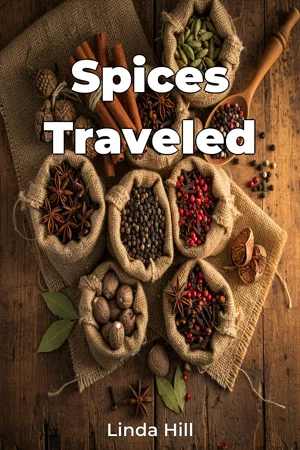
Have you ever considered the profound influence of spices beyond their culinary applications? "Spices Traveled" delves into the captivating history of how spices spurred global exploration, fueled economic empires, and irrevocably shaped cultural landscapes. This book will explore the pivotal role of spices in transforming societies across continents. The book will primarily focus on three key aspects of the spice trade: its economic impact, its influence on global trade routes, and its role in the development of culinary traditions worldwide. Understanding these topics is crucial to grasping the interconnectedness of global history, as the spice trade serves as a microcosm of broader trends in commerce, cultural exchange, and colonialism. To fully appreciate the spice trade's magnitude, we must contextualize it within the historical backdrop of early maritime exploration, mercantilism, and the rise of European empires. Prior knowledge of these historical periods is helpful but not essential, as the book offers sufficient background information. "Spices Traveled" argues that the demand for spices was a primary catalyst for global exploration and the establishment of trade networks that fundamentally reshaped the world. This argument is essential because it challenges Eurocentric views of history by highlighting the agency of spice-producing regions and underscoring the long-lasting consequences of the spice trade on global power dynamics. The book is structured to provide a comprehensive overview of the spice trade's history and impact. It begins by introducing essential spices and their regions of origin and then progresses to examine the rise of the spice trade in the East and West, analyzing how particular European powers gained dominance in the trade, the consequences of this domination, and how it spurred the Age of Exploration. This will cover the search for new routes to the East, the establishment of colonial empires, and the subsequent cultural exchanges. The culmination of the book analyzes the complex interplay of globalization, cultural exchange, and culinary innovation brought about by the spice trade. To support its arguments, "Spices Traveled" presents a wide range of historical evidence, including archival documents, trade records, botanical studies, and culinary texts. The book also draws upon recent scholarship in economic history and anthropology to provide a nuanced perspective on the spice trade's social and cultural impact. The book connects to other fields of study, such as economics, anthropology, and botany. The lens of economics shows how the spice trade drove market development and global capitalism; anthropology helps to understand the trade’s cultural ramifications and impact on different societies; and botany offers insights into the cultivation, distribution, and uses of various spices. These interdisciplinary connections enrich the book's analysis and demonstrate the broad significance of the spice trade. "Spices Traveled" aims to provide a wide view of the history of the spice trade, offering a detailed account while highlighting the key global developments. The book's tone is informative and accessible, aiming to engage a non-specialist audience interested in history, cooking, and global cultures. The target audience includes readers interested in history, culinary arts, and global studies. The book offers value to those seeking a deeper understanding of the forces that have shaped our world and the cultural exchanges that have enriched our lives. In keeping with the conventions of the World History genre, "Spices Traveled" emphasizes factual accuracy, comprehensive sourcing, and a balanced perspective on historical events. The scope of the book is intentionally broad, encompassing various regions and time periods to provide a holistic view of the spice trade. The book acknowledges limitations in scope, such as a focus on major spices and trade routes, while acknowledging the myriad local variations and complexities of the spice trade in different regions. The book will appeal to a wide audience, offering insights into the origins and spread of flavors and ingredients that are now commonplace. While the book aims to provide a comprehensive account, readers should be aware that some historical interpretations are subject to ongoing debate among scholars.
Have you ever considered the profound influence of spices beyond their culinary applications? "Spices Traveled" delves into the captivating history of how spices spurred global exploration, fueled economic empires, and irrevocably shaped cultural landscapes. This book will explore the pivotal role of spices in transforming societies across continents. The book will primarily focus on three key aspects of the spice trade: its economic impact, its influence on global trade routes, and its role in the development of culinary traditions worldwide. Understanding these topics is crucial to grasping the interconnectedness of global history, as the spice trade serves as a microcosm of broader trends in commerce, cultural exchange, and colonialism. To fully appreciate the spice trade's magnitude, we must contextualize it within the historical backdrop of early maritime exploration, mercantilism, and the rise of European empires. Prior knowledge of these historical periods is helpful but not essential, as the book offers sufficient background information. "Spices Traveled" argues that the demand for spices was a primary catalyst for global exploration and the establishment of trade networks that fundamentally reshaped the world. This argument is essential because it challenges Eurocentric views of history by highlighting the agency of spice-producing regions and underscoring the long-lasting consequences of the spice trade on global power dynamics. The book is structured to provide a comprehensive overview of the spice trade's history and impact. It begins by introducing essential spices and their regions of origin and then progresses to examine the rise of the spice trade in the East and West, analyzing how particular European powers gained dominance in the trade, the consequences of this domination, and how it spurred the Age of Exploration. This will cover the search for new routes to the East, the establishment of colonial empires, and the subsequent cultural exchanges. The culmination of the book analyzes the complex interplay of globalization, cultural exchange, and culinary innovation brought about by the spice trade. To support its arguments, "Spices Traveled" presents a wide range of historical evidence, including archival documents, trade records, botanical studies, and culinary texts. The book also draws upon recent scholarship in economic history and anthropology to provide a nuanced perspective on the spice trade's social and cultural impact. The book connects to other fields of study, such as economics, anthropology, and botany. The lens of economics shows how the spice trade drove market development and global capitalism; anthropology helps to understand the trade’s cultural ramifications and impact on different societies; and botany offers insights into the cultivation, distribution, and uses of various spices. These interdisciplinary connections enrich the book's analysis and demonstrate the broad significance of the spice trade. "Spices Traveled" aims to provide a wide view of the history of the spice trade, offering a detailed account while highlighting the key global developments. The book's tone is informative and accessible, aiming to engage a non-specialist audience interested in history, cooking, and global cultures. The target audience includes readers interested in history, culinary arts, and global studies. The book offers value to those seeking a deeper understanding of the forces that have shaped our world and the cultural exchanges that have enriched our lives. In keeping with the conventions of the World History genre, "Spices Traveled" emphasizes factual accuracy, comprehensive sourcing, and a balanced perspective on historical events. The scope of the book is intentionally broad, encompassing various regions and time periods to provide a holistic view of the spice trade. The book acknowledges limitations in scope, such as a focus on major spices and trade routes, while acknowledging the myriad local variations and complexities of the spice trade in different regions. The book will appeal to a wide audience, offering insights into the origins and spread of flavors and ingredients that are now commonplace. While the book aims to provide a comprehensive account, readers should be aware that some historical interpretations are subject to ongoing debate among scholars.
"Spices Traveled" explores the fascinating history of spices and their profound impact on global exploration, economic systems, and cultural evolution. The book reveals how the pursuit of spices like cinnamon and cloves wasn't just about enhancing flavor; it was a driving force behind the establishment of global trade routes and the rise of colonial empires. Readers will discover how spices, often worth more than gold, shaped early maritime exploration and spurred intense competition among European powers, forever altering the course of world history. The book begins by introducing essential spices and their origins, then progresses to examine the rise of the spice trade in both the East and West. Analyzing how European powers gained dominance, it covers the Age of Exploration and the establishment of colonial empires. By examining archival documents, trade records, and culinary texts, "Spices Traveled" presents a comprehensive view of how the spice trade fueled cultural exchange and culinary innovation, leaving an indelible mark on our interconnected world.
Book Details
ISBN
9788235235930
Publisher
Publifye AS
Your Licenses
You don't own any licenses for this book
Purchase a license below to unlock this book and download the EPUB.
Purchase License
Select a tier to unlock this book
Need bulk licensing?
Contact us for enterprise agreements.